Industry News
Curation by industry experts
Hot Articles
Popular Tags
Decorative Lighting Ideas That Actually Improve a Room
Decorative lighting can absolutely improve a room—but only when it solves a real visual or functional problem. For buyers, specifiers, distributors, and evaluation teams, the most effective lighting upgrades are not the most dramatic ones. They are the fixtures and control strategies that improve comfort, define zones, support the intended use of the space, and create a stronger perceived value without adding unnecessary complexity. In practice, that means prioritizing layered lighting, dimmable LED solutions, accent lighting with purpose, and exterior lighting that combines aesthetics with safety.
In the lighting and displays sector, decorative lighting is often misunderstood as a purely aesthetic category. In reality, it influences customer experience, room usability, hospitality perception, retail merchandising, and even resale or leasing appeal. The right decorative lighting idea can make a room feel larger, warmer, more premium, or more efficient. The wrong one can create glare, uneven brightness, visual clutter, and higher maintenance costs.
This guide focuses on decorative lighting ideas that genuinely add value, with emphasis on how to assess impact, where each approach works best, and what procurement-minded readers should look for before selecting products or suppliers.
What decorative lighting improvements actually make a room better?
The short answer is this: decorative lighting improves a room when it does one or more of the following well:
- Creates useful layers of light instead of relying on a single ceiling source
- Highlights architecture, materials, merchandise, or focal points
- Improves comfort through controllable brightness and reduced glare
- Supports the room’s purpose, whether residential, retail, hospitality, or office
- Raises the perceived quality of the space without excessive energy or maintenance burden
For commercial buyers and sourcing teams, the key is separating decorative fixtures that are visually attractive from those that deliver measurable spatial value. A pendant may look impressive in a catalog, but if it creates harsh shadows over a dining table, poor vertical illumination in a lobby, or difficult cleaning access in a hospitality project, it may not be the right improvement.
Good decorative lighting decisions are usually built around balance: ambient light for overall visibility, task light for specific activities, and accent light for depth and atmosphere. That layered approach consistently outperforms one-dimensional lighting plans.
Why layered lighting is usually the best investment
If a room feels flat, overly bright, or strangely uncomfortable, the problem is often not fixture quality but lighting structure. Layered lighting is one of the most reliable ways to improve a room because it changes how the entire environment is perceived.
A practical layered scheme often includes:
- Ambient lighting: the base illumination for general movement and orientation
- Task lighting: focused light for reading, food preparation, work, or display inspection
- Accent or decorative lighting: visual emphasis for artwork, shelving, textures, walls, or feature furniture
For residential spaces, this may mean combining a statement pendant, wall sconces, and LED lights dimmable through separate control zones. For commercial interiors, it can involve decorative suspended fixtures supported by recessed linear systems, shelf lighting, and wall-wash solutions.
Why does this matter for procurement and specification? Because layered lighting often improves user satisfaction more than simply increasing wattage or fixture count. It also enables flexibility. A restaurant can shift from daytime brightness to evening mood. A showroom can refresh product emphasis without redesigning the entire layout. A distributor can offer clients a stronger value proposition by recommending systems rather than standalone fixtures.
Which decorative lighting ideas create the strongest visual impact?
Not every decorative lighting idea has equal value. The most effective ones shape depth, contrast, and focal hierarchy within a room. These are the approaches that repeatedly deliver visible improvement.
1. Statement pendants in the right scale
Pendant lights work best when they define a zone: over dining tables, reception desks, kitchen islands, lounge clusters, or retail display tables. Their value comes from anchoring the space visually. The main purchasing risk is poor scale selection. A fixture that is too small feels insignificant; too large, and it overwhelms the room.
2. Wall sconces for warmth and vertical balance
Wall lighting is often more transformative than buyers expect. It adds brightness at eye level, softens shadows, and makes corridors, bedrooms, lounges, and hospitality settings feel more complete. In projects where overhead glare is a concern, sconces can significantly improve comfort.
3. Cove and concealed LED lighting
Indirect lighting is one of the most effective ways to make a room feel premium. Concealed LED strips in coves, shelving, headboards, reception counters, or architectural recesses create a soft glow that visually enlarges the space. This is especially useful in hospitality, residential upgrades, and modern commercial interiors.
4. Accent lighting for displays, textures, and materials
Decorative lighting becomes more valuable when it highlights something specific: stone walls, branded displays, artwork, product shelves, wood grain, or decorative panels. In retail and showroom settings, accent lighting can directly influence customer attention and product perception.
5. Decorative table and floor lamps for flexible ambiance
These remain useful because they are easy to reposition and can upgrade a room without electrical renovation. In lounges, hotel rooms, waiting areas, and residential living spaces, portable decorative lighting provides softness and layered control with relatively low installation cost.
How dimmable LED lighting adds real functional value
Dimmable LED solutions are among the most practical decorative lighting upgrades because they make one room serve multiple moods and use cases. A static lighting level rarely performs well across the full day. Spaces need flexibility.
For example:
- A dining area may need brighter light for setup and softer light for service hours
- A hotel guest room needs functional brightness plus relaxing evening ambiance
- A living room benefits from different settings for conversation, reading, entertainment, or hosting
- A boutique retail store may need different light scenes for featured displays and general browsing
For sourcing teams, the issue is not just whether a product is marketed as dimmable, but whether the driver compatibility, control protocol, flicker performance, and dimming range meet project requirements. Decorative fixtures that dim poorly can create a worse experience than non-dimmable alternatives.
When evaluating LED lights dimmable for decorative applications, look at:
- Dimming smoothness across low and high levels
- Driver reliability and compatibility with the control system
- Color consistency at reduced brightness
- Rated lifespan under actual operating conditions
- Thermal management and enclosed-fixture suitability
This is particularly important for distributors and commercial buyers who want fewer complaints, fewer returns, and more predictable long-term performance.
Where decorative lighting improves business value, not just appearance
For professional readers, lighting decisions are rarely only about style. Decorative lighting can support revenue, usability, brand perception, and asset value when applied strategically.
Hospitality
Hotels, restaurants, and lounges rely heavily on atmosphere. Decorative lighting helps shape guest experience, supports brand identity, and affects how premium a venue feels. Indirect lighting, warm wall lighting, and statement fixtures can improve perceived quality without a full interior redesign.
Retail and showrooms
Decorative lighting helps guide attention, frame key merchandise, and create an environment where products look more desirable. Layered lighting in retail is not decorative in a superficial sense—it is part of visual merchandising.
Residential development and staging
In apartments, model homes, and high-end residential projects, lighting often affects buyer perception more than expected. Well-selected decorative lighting can make rooms appear more finished, more spacious, and more emotionally appealing.
Office, reception, and mixed-use spaces
Decorative fixtures in lobbies, meeting zones, and breakout areas soften institutional interiors and make spaces feel intentional. They can improve first impressions for clients and create more welcoming environments for staff and visitors.
Can outdoor decorative lighting also improve perceived room and property quality?
Yes—especially when indoor-outdoor continuity matters. Exterior lighting affects how a property is approached, viewed, and experienced after dark. In many projects, outdoor decorative lighting improves not only safety but also the perceived quality of the interior environment by extending the visual boundary of the space.
Some of the most practical choices include:
- Decorative wall lights for entryways and facades
- Path and landscape lighting to define circulation and planting features
- Outdoor pendants or sconces for covered patios and hospitality terraces
- Outdoor flood lights motion sensor systems for security-sensitive zones
For procurement teams, motion-sensor flood lighting is especially relevant where security, energy management, and operational safety matter. The best solutions avoid the common trade-off between utility and appearance by integrating clean housing design, reliable sensor performance, and appropriate beam spread.
When decorative exterior lighting is coordinated with interior design language, the full property feels more coherent and more valuable.
What buyers should check before selecting decorative lighting products
This is where many projects succeed or fail. Even well-designed fixtures can underperform if the specification ignores practical details. Buyers, sourcing managers, and evaluators should assess decorative lighting on both visual and operational criteria.
1. Application fit
Ask where the fixture will be used, how often it will operate, who will maintain it, and what mood or task it must support. A decorative pendant for a private residence may not be suitable for a high-traffic commercial lobby.
2. Light quality
Check color temperature, CRI, beam control, glare performance, and diffusion. Decorative lighting should enhance the room, not make skin tones, surfaces, or merchandise look distorted.
3. Controls and compatibility
Especially with LED systems, buyers should confirm dimmers, drivers, smart controls, and power requirements. Compatibility issues remain one of the most common causes of field complaints.
4. Installation and serviceability
How difficult is the fixture to mount, clean, and repair? Decorative lighting with complex forms may increase maintenance costs over time, particularly in hospitality and retail environments.
5. Certifications and compliance
For international sourcing, product safety certifications, ingress protection where needed, energy performance declarations, and consistency in manufacturing documentation are essential.
6. Supplier reliability
For B2B purchasing, the fixture itself is only part of the equation. Lead times, packaging integrity, customization capability, quality control systems, and communication responsiveness all affect procurement success.
Common decorative lighting mistakes that reduce room quality
Knowing what to avoid is just as important as knowing what to buy. Several common mistakes make rooms feel worse even when the fixtures themselves are attractive.
- Over-lighting: Too much brightness removes atmosphere and creates fatigue.
- Using only one central fixture: This flattens the space and leaves functional gaps.
- Poor scale selection: Fixtures that are too large or too small disrupt room balance.
- Ignoring glare: Decorative lighting should be seen, but it should not be uncomfortable to look at.
- Neglecting controls: Without dimming or zoning, decorative impact is limited.
- Choosing style over maintenance practicality: Difficult-to-clean fixtures often become long-term liabilities.
For distributors and resellers, helping clients avoid these mistakes is a meaningful commercial advantage. It shifts the conversation from price-only comparison to informed solution selling.
How to evaluate whether a decorative lighting upgrade is worth the investment
The best evaluation method is to judge decorative lighting on four dimensions: visual effect, user function, operating efficiency, and commercial relevance.
Ask these questions:
- Does it solve a clear problem in the room?
- Will users notice a better experience immediately?
- Does it add flexibility through dimming, zoning, or repositioning?
- Are maintenance and replacement requirements reasonable?
- Does it support the space’s market positioning or brand image?
If the answer to most of these is yes, the decorative lighting choice is likely to improve the room in a meaningful way. If the decision is based only on trend appeal or catalog imagery, it carries more risk.
Conclusion
Decorative lighting ideas improve a room when they do more than decorate. The most effective solutions create layered light, strengthen focal points, support comfort, and align with how the space is actually used. For residential, retail, hospitality, and mixed commercial environments, that usually means combining well-scaled decorative fixtures with controllable LED systems, accent lighting, and practical exterior solutions where needed.
For procurement professionals, business evaluators, and channel partners, the real value lies in selecting lighting that performs visually and operationally. Dimmable LED lighting, purposeful wall and pendant applications, concealed ambient lighting, and well-integrated outdoor flood lights motion sensor solutions can all contribute to a better room—but only when chosen with application fit, maintenance, compliance, and supplier reliability in mind.
In short, decorative lighting is worth the investment when it improves experience, not just appearance. That is the standard buyers should use when comparing products, assessing suppliers, and planning sourcing decisions.
Recommended News
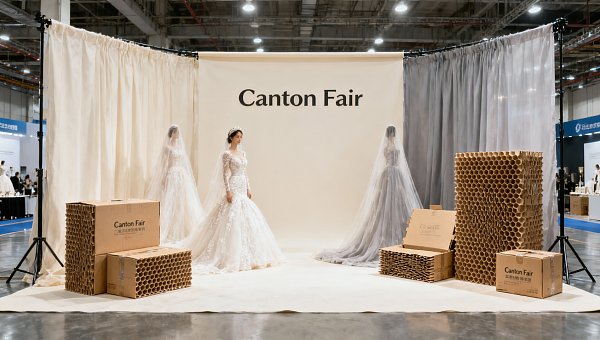
 Eco PackagingCanton Fair Wedding Photo Props Zone Sees 37% YoY GrowthWedding photo props at Canton Fair surge 37% YoY—biodegradable packaging & magnetic modular backdrops lead global demand. Discover key trends now!Packaging Supply ExpertApr 24, 2026
 Export UpdatesChina Customs Launches Beta 'Wedding Photo Props Export Compliance Self-Check Platform'Wedding photo props exporters: Use China Customs’ new beta Self-Check Platform for real-time export compliance guidance on HS codes like 9405.40, 4202.92 & 6307.90 — avoid delays in US, EU, ASEAN & Middle East markets.Apr 24, 2026
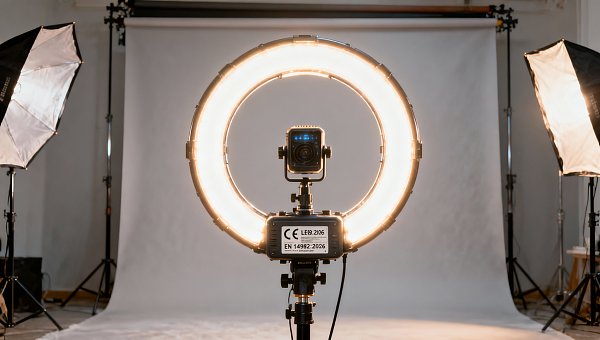
 Commercial LEDEN 14982:2026 Effective: LED Softlight Devices for Wedding Photography Must Pass Enhanced EMC Immunity TestsLED softlight devices for wedding photography must now pass enhanced EMC immunity tests per EN 14982:2026 — ensure CE compliance before EU market entry!Commercial Tech EditorApr 24, 2026
 Carton & PlasticsUS CPSC Recalls 7 Chinese Wedding Backdrop Makers for FormaldehydeUS CPSC recalls 7 Chinese wedding backdrop makers for formaldehyde—critical alert for婚纱摄影 exporters, MDF suppliers & US importers. Act now to avoid detention & liability.Packaging Supply ExpertApr 24, 2026