Industry News
Curation by industry experts
Hot Articles
Popular Tags
Decorative lighting design ideas that work in small spaces
In small interiors, effective decorative lighting design can transform limited square footage into functional, visually appealing environments. From smart lighting technology and smart lighting for office setups to decorative lighting solutions for retail, hospitality, and residential projects, the right approach improves ambiance, flexibility, and efficiency. This guide explores practical ideas, sourcing considerations, and installation strategies that help buyers and distributors evaluate modern lighting options with confidence.
For sourcing teams, distributors, and commercial evaluators, small-space lighting is not only a design topic. It directly affects product mix, installation complexity, energy use, SKU planning, and project profitability. A compact café, boutique office, hotel corridor, micro-retail unit, or urban apartment may have only 20–80 square meters to work with, yet still require layered illumination, brand expression, and code-aware installation.
The most effective decorative lighting design ideas for small spaces combine aesthetics with measurable performance. Buyers often need to compare lumen output, beam angle, color temperature, dimming compatibility, driver quality, and lead times in one decision cycle. In practice, the best scheme is rarely the one with the highest wattage; it is the one that delivers visual comfort, flexible zoning, and low maintenance within realistic procurement constraints.
Why decorative lighting matters more in compact interiors
In a large room, lighting errors can be diluted by distance and volume. In a small room, every glare point, dark corner, and oversized fixture becomes immediately visible. That is why decorative lighting in compact spaces must balance 3 functions at once: ambient coverage, task support, and visual enhancement. A poorly chosen pendant can visually compress the ceiling, while a well-placed wall light can make a 2.4-meter ceiling feel taller.
Small-space projects also have tighter technical tolerances. Recess depth may be limited to 60–90 mm, furniture may occupy 40%–60% of the floor area, and electrical points are often fixed before decorative details are finalized. In these conditions, product dimensions, mounting type, and maintenance access matter as much as style. Decorative fixtures must therefore be specified as part of the overall lighting plan rather than added at the end.
From a commercial perspective, compact-space lighting influences conversion and dwell time. In retail, a targeted accent ratio of roughly 3:1 against ambient light can help draw attention to key displays without overwhelming the room. In hospitality, warm decorative layers around 2700K–3000K often create a more intimate perception of space than uniform, cool overhead lighting. In offices and mixed-use interiors, decorative fixtures can break monotony while supporting hybrid work zones.
Common design mistakes in small-space lighting
The first mistake is selecting fixtures by appearance alone. A compact globe pendant may look elegant in a catalog but produce excessive shadowing if used as the only light source. The second mistake is over-lighting. Many buyers assume more lumens create a better result, yet in rooms under 30 square meters, excessive brightness can flatten depth and increase visual fatigue. The third mistake is ignoring controls. Even one dimming channel can significantly improve day-to-night adaptability.
- Using one central decorative fixture without secondary layers such as wall washers, under-shelf lighting, or narrow-beam spotlights.
- Choosing large-diameter pendants that disrupt circulation or sight lines in rooms with ceiling heights below 2.6 meters.
- Specifying non-dimmable drivers for hospitality, office lounge, or residential projects that need multiple scenes during the day.
- Ignoring beam spread, resulting in hot spots near walls and underlit functional zones.
For distributors and procurement teams, these mistakes often lead to returns, site adjustments, or additional accessory orders. A more resilient approach is to define spatial intent first, then match decorative lighting products to mounting, control, and visual comfort requirements.
Decorative lighting design ideas that improve scale, mood, and flexibility
The most reliable decorative lighting design ideas for small spaces are based on layering. Instead of depending on one ceiling fixture, combine 2–4 low-profile sources to shape the room. For example, a slim pendant over a table, concealed LED strip under shelving, and a pair of wall lights can create a sense of depth while keeping the footprint clear. This strategy is especially effective in apartments, small hotel rooms, and compact waiting areas.
Vertical illumination is another strong tactic. In narrow rooms, lighting the wall surface often makes the room feel wider than increasing floor-level brightness. Wall washers, decorative sconces, and illuminated mirrors are practical options where fixture projection must stay within 100–180 mm. In small commercial interiors, this can improve wayfinding and brand presentation without adding floor clutter.
For low ceilings, lightweight visual forms are usually more effective than bulky statement pieces. Open-frame pendants, shallow flush mounts, and directional track heads with decorative finishes can provide character without making the ceiling feel heavy. In projects where ceiling height is 2.4–2.7 meters, keeping pendant drop lengths within 300–600 mm over tables or counters is often a safer range.
Best fixture types by use case
Different small spaces require different decorative lighting priorities. A micro-retail store needs accent contrast and flexible merchandising. A small office needs visual comfort, lower glare, and controllable scenes. A compact restaurant may prioritize intimacy and table-focused illumination. The table below outlines common fixture approaches that work across these environments.
The key takeaway is that decorative lighting should support spatial function, not compete with it. Buyers evaluating collections for distribution can improve sell-through by grouping products according to application logic rather than style alone. A curated range for small spaces should include compact formats, multiple finishes, and dimming-ready options.
Practical layout principles
- Start with one focal layer, such as a pendant or decorative surface fixture, then add 1–2 support layers.
- Keep circulation clear by avoiding deep fixture projections in narrow pathways below 900 mm wide.
- Use reflective finishes, translucent shades, and indirect light to visually expand room edges.
- Where possible, separate decorative and task circuits so users can operate at least 2 lighting scenes.
Key specifications buyers should compare before sourcing
When purchasing decorative lighting for small interiors, visual appearance should be matched with technical suitability. The most important specifications usually include lumen range, efficacy, color temperature, CRI, dimming protocol, IP rating where relevant, and driver serviceability. In small rooms, a fixture that produces 600–1200 lumens may be sufficient as a decorative element, while the total room lighting level should be calculated through all layers combined.
Color quality is particularly important because decorative lighting is often close to eye level and near finished surfaces. For hospitality, residential, and premium retail applications, CRI 90 or above is commonly preferred. For general office and circulation areas, CRI 80 may be acceptable depending on budget and application. Inconsistent binning can be very noticeable in compact spaces, so procurement teams should verify color consistency across batches.
Control compatibility is another procurement checkpoint. Smart lighting technology is increasingly relevant even for small projects because it enables dimming, scheduling, occupancy response, and scene changes without major rewiring. In small office lighting, Bluetooth mesh, app-based groups, or simple 0–10V dimming can offer practical flexibility. The right solution depends on project scale, user preference, and after-sales support capability.
Specification comparison framework
The table below provides a simplified framework for evaluating decorative lighting products intended for compact interiors. It helps buyers compare not only performance but also suitability for maintenance and channel distribution.
Recommended News
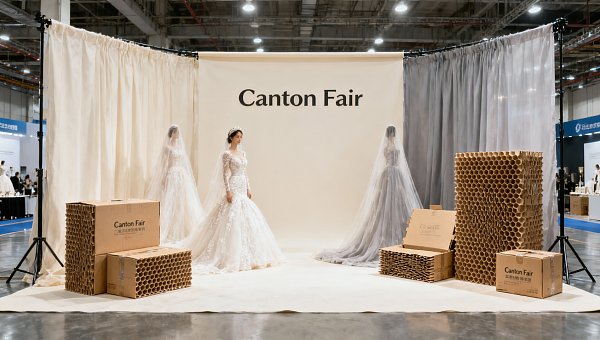
 Eco PackagingCanton Fair Wedding Photo Props Zone Sees 37% YoY GrowthWedding photo props at Canton Fair surge 37% YoY—biodegradable packaging & magnetic modular backdrops lead global demand. Discover key trends now!Packaging Supply ExpertApr 24, 2026
 Export UpdatesChina Customs Launches Beta 'Wedding Photo Props Export Compliance Self-Check Platform'Wedding photo props exporters: Use China Customs’ new beta Self-Check Platform for real-time export compliance guidance on HS codes like 9405.40, 4202.92 & 6307.90 — avoid delays in US, EU, ASEAN & Middle East markets.Apr 24, 2026
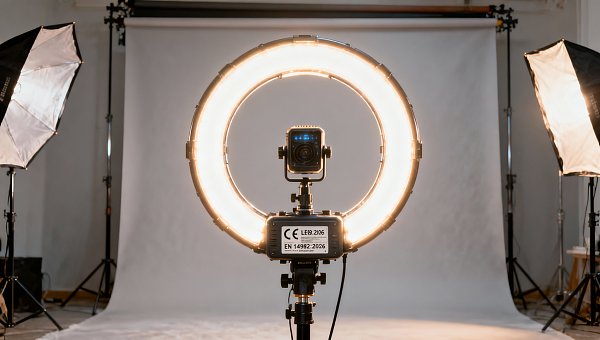
 Commercial LEDEN 14982:2026 Effective: LED Softlight Devices for Wedding Photography Must Pass Enhanced EMC Immunity TestsLED softlight devices for wedding photography must now pass enhanced EMC immunity tests per EN 14982:2026 — ensure CE compliance before EU market entry!Commercial Tech EditorApr 24, 2026
 Carton & PlasticsUS CPSC Recalls 7 Chinese Wedding Backdrop Makers for FormaldehydeUS CPSC recalls 7 Chinese wedding backdrop makers for formaldehyde—critical alert for婚纱摄影 exporters, MDF suppliers & US importers. Act now to avoid detention & liability.Packaging Supply ExpertApr 24, 2026