Industry News
Curation by industry experts
Hot Articles
Popular Tags
Patio umbrellas with custom printing: what lasts outdoors
For buyers evaluating patio umbrellas with custom printing, outdoor durability depends on more than attractive graphics. The right printing services and digital printing methods must work with UV-resistant fabrics, colorfast inks, and precise production standards to deliver branding that lasts through sun, wind, and moisture. This guide helps procurement teams and distributors assess what truly performs outdoors.
What actually determines whether custom printed patio umbrellas last outdoors?
In packaging and printing procurement, outdoor umbrella graphics should be treated as a performance system, not a decorative add-on. Buyers often focus first on logo visibility, print area, and color impact, but long-term outdoor use depends on the interaction between canopy substrate, ink chemistry, print method, finishing, and frame exposure conditions. A printed patio umbrella that looks sharp at delivery may fade or crack within 3–6 months if any one of those variables is mismatched.
For sourcing teams, the core question is simple: will the branding remain legible and commercially presentable through a full outdoor season, or across repeated seasonal deployments? In most hospitality, retail, and distributor programs, the relevant evaluation window is not 2 weeks after installation but 6–24 months of exposure. That is why material and printing decisions must be made together, especially when comparing screen printing, heat transfer, and digital printing services.
Outdoor durability is usually affected by 5 core stress factors: UV radiation, moisture, temperature fluctuation, abrasion during opening and closing, and wind-driven movement. A canopy installed in coastal, poolside, or open-street locations will degrade faster than one used under partial cover. Procurement teams should therefore ask suppliers to define the intended exposure category before confirming artwork, fabric weight, or printing route.
Global Supply Review supports this type of decision by connecting buyers with structured sourcing intelligence across packaging and printing applications. For custom printed patio umbrellas, that means evaluating not only visual output but also whether the production partner can document fabric compatibility, colorfastness expectations, finishing controls, and repeatability for medium or large-volume branded programs.
The 4 performance layers buyers should evaluate
- Base fabric performance: polyester, solution-dyed acrylic, and olefin differ in UV stability, coating compatibility, and print behavior.
- Printing compatibility: not every digital printing workflow performs equally well on water-repellent or coated umbrella fabrics.
- Finishing and construction: stitching, seam reinforcement, edge binding, and waterproof treatment can affect print longevity near folds and stress points.
- Field conditions: direct sun, salt air, frequent cleaning, and daily opening cycles can shorten the useful graphic life even when the frame remains serviceable.
Why procurement mistakes happen
Many buying teams source custom printed patio umbrellas through promotional product channels, while the real technical requirements resemble industrial outdoor graphics. That gap leads to under-specified projects. Common mistakes include approving artwork before fabric confirmation, using indoor-oriented color expectations for outdoor applications, or comparing quotations without checking whether pricing includes pretreatment, color management, or outdoor ink systems.
For distributors and brand owners, another risk is sample bias. A tabletop sample or one-panel strike-off may not show how graphics behave on a full 2m–3m canopy with stitched sections and tension curves. In practice, evaluation should consider both print appearance and how the image holds after folding, shipment, installation, and routine maintenance across the first 30–90 days.
Which fabrics, inks, and printing methods perform best in outdoor umbrella applications?
In packaging and printing terms, patio umbrella production is a substrate-driven project. The best-looking print file cannot compensate for a weak textile base. Polyester is widely used because it is cost-effective and available for large-volume programs, but its outdoor life depends heavily on denier, coating, and UV treatment. Solution-dyed acrylic generally offers stronger fade resistance, while olefin can perform well in certain weather conditions with good stain resistance.
Ink choice matters just as much. Buyers should ask whether the selected print process uses pigment, sublimation, solvent, eco-solvent, UV-curable, or transfer-based chemistry, and whether the chosen system is proven for flexible outdoor textiles. Color brilliance alone is not a durability indicator. A print that appears vibrant on day 1 may lose saturation quickly if the ink is sitting on the surface rather than bonding properly with the fabric structure.
Digital printing is increasingly attractive because it supports variable artwork, lower setup costs, and shorter runs, often from sample quantities to several hundred units. However, durability depends on the exact workflow. Dye sublimation can perform well on compatible polyester, while direct-to-fabric digital printing may require careful pretreatment and finishing. Screen printing remains relevant for spot-color branding where repeat consistency and cost control matter across larger production volumes.
The table below helps buyers compare the most common material and printing combinations for custom printed patio umbrellas used in hospitality, café branding, distributor supply, and commercial outdoor promotions.
For most buyers, the best outdoor result comes from matching the print process to the exposure duration and brand objective. If the umbrella is expected to serve one season of high-visibility promotion, a well-specified polyester solution may be acceptable. If the program is intended for 12–24 months of commercial use, the sourcing decision should prioritize fabric durability first and print flexibility second.
Technical questions worth asking suppliers
Fabric and construction
- What is the fabric composition and typical weight range used for the canopy?
- Is the material coated, water-repellent, or UV-treated, and does that affect print adhesion?
- Are high-stress areas reinforced to reduce cracking or abrasion around printed zones?
Printing and color control
- Which digital printing or screen printing method is used for outdoor umbrella fabric?
- Can the supplier define expected color variation tolerance across repeat batches?
- Is there a sample approval process covering both visual output and post-finishing performance?
How should buyers compare options for cost, durability, and commercial fit?
A common procurement error is comparing patio umbrellas with custom printing on unit price alone. In reality, commercial value comes from the balance between outdoor life, reordering efficiency, defect risk, and brand presentation. Two quotes may look similar, yet one may exclude sampling, artwork adaptation, or reinforced packaging for export. For distributors and procurement managers, total program cost should be reviewed over one full deployment cycle rather than only the first purchase order.
From a sourcing perspective, buyers should segment projects into at least 3 use horizons: short-term event branding, seasonal commercial use, and extended hospitality deployment. This framing immediately clarifies whether lower-cost polyester printing services are sufficient or whether a higher-spec textile and print route will reduce replacement frequency. In many B2B programs, replacement logistics, brand inconsistency, and customer complaints cost more than the original print upgrade.
Lead time also matters. Typical sample development may take 7–15 days depending on artwork complexity, while production for medium-volume orders can run 2–4 weeks after approval, excluding ocean transit or peak-season delays. Buyers managing chain-store rollouts or distributor inventory launches should build buffer time for strike-off confirmation, color review, and packaging inspection.
The comparison table below gives a practical framework for balancing budget, service life, and customization depth when selecting custom printed patio umbrellas.
The most economical option is not always the lowest quoted price. If a distributor expects repeat sales across multiple territories, consistency, reorder speed, and reduced complaint rates may justify a mid-range or premium specification. Buyers should measure cost against replacement frequency, freight inefficiency, and the reputational impact of visibly faded canopy graphics.
A 5-point sourcing checklist before placing an order
- Confirm the actual use environment: indoor-outdoor transition, full sun, coastal exposure, or sheltered terrace.
- Match artwork complexity to the right printing method rather than forcing full-color design into a simple logo workflow.
- Review sample approval under realistic conditions, including folded areas and stitched panel alignment.
- Clarify standard production lead time, peak-season extension, and export packaging details.
- Define the acceptance criteria for color, print placement, and visible surface defects before mass production.
What standards, testing points, and quality controls should procurement teams request?
Not every custom printed patio umbrella project requires formal laboratory certification, but every serious buyer should request a documented quality-control path. In packaging and printing supply chains, good control starts with material traceability, print process consistency, and pre-shipment inspection. For umbrellas used in branded commercial environments, the goal is to reduce uncertainty around fading, bleed, distortion, and construction defects before the goods enter the field.
Procurement teams should focus on common, verifiable quality checkpoints rather than asking for vague durability claims. Useful references may include colorfastness testing approaches, coating compatibility review, seam integrity checks, and dimensional tolerance controls. Depending on the market, buyers may also need to discuss restricted substance compliance or basic product safety documentation for textiles, coatings, inks, and packaging materials used in export shipments.
A practical review process often includes 3 stages: pre-production confirmation, in-line production verification, and final inspection. For repeat B2B orders, adding a retained reference sample can improve batch-to-batch consistency. This is particularly important for distributors handling the same custom printed patio umbrellas across multiple reorder cycles or regional accounts.
The table below outlines quality and compliance points that buyers can discuss with suppliers without overcomplicating the sourcing process.
These checks do not need to slow down sourcing. In many cases, they can be integrated into a standard 4-step workflow: artwork review, material confirmation, sample approval, and final inspection. The key is to define the review points before production starts, not after goods are already in transit.
Common misconceptions that lead to complaints
“Outdoor printing is just stronger indoor printing”
It is not. Outdoor applications need a different material-performance logic. Umbrella canopies flex, fold, get wet, and sit under direct UV. A print route that works for indoor soft signage may not hold up on a patio umbrella through repeated use cycles.
“Any waterproof fabric is good for digital printing”
Also incorrect. Some coatings improve water resistance but complicate ink anchorage or color development. Buyers should ask how pretreatment, curing, or transfer steps are adjusted for coated or water-repellent substrates.
FAQ for buyers, distributors, and sourcing teams
How do I choose between screen printing and digital printing for patio umbrellas?
Choose screen printing when the design uses 1–3 spot colors, quantities are medium to large, and the goal is stable repeat branding at a controlled unit cost. Choose digital printing when artwork includes gradients, multiple SKUs, or lower setup volumes. The decision should still be filtered through fabric compatibility and outdoor use duration, because not all digital printing methods behave equally on umbrella textiles.
What is a reasonable lead time for custom printed patio umbrellas?
For many projects, sample development falls within 7–15 days, and production may take 2–4 weeks after approved artwork and materials are locked. Large-volume orders, multi-design programs, or peak-season scheduling can extend that timeline. Import buyers should also separate factory lead time from freight lead time and customs processing.
Which outdoor conditions shorten print life fastest?
The harshest combination is direct sun plus moisture plus frequent folding. Coastal salt air, pool chemicals, heavy rainfall, and daily opening-closing cycles increase surface wear and color loss. A canopy used under partial cover may remain presentable much longer than one installed on an unshaded seafront terrace, even if both use the same print design.
What should distributors ask from suppliers before committing to a repeat program?
Ask for a repeatability plan. At minimum, this should cover approved fabric reference, print method, color control approach, packing specification, and reorder lead time. Distributors should also confirm whether the supplier can support mixed batches, market-specific labeling, and small replenishment orders without shifting print appearance too far from the original run.
Why work with GSR when evaluating custom printed patio umbrellas for outdoor trade programs?
For international buyers, the challenge is rarely just finding a factory that can print a logo. The real challenge is identifying a supply partner that understands outdoor textile performance, commercial packaging and printing requirements, and cross-border sourcing discipline. Global Supply Review helps procurement teams move beyond surface-level quotations by focusing on manufacturing capability, specification clarity, and sourcing risk reduction across light manufacturing categories.
That matters when a project involves multiple decisions at once: fabric selection, digital printing method, branding consistency, compliance review, export packaging, and delivery scheduling. Whether you are an information researcher building a shortlist, a procurement manager comparing suppliers, a commercial evaluator reviewing risk, or a distributor planning a regional umbrella program, a structured sourcing lens improves both cost control and execution quality.
You can consult GSR on practical points such as material and print-route comparison, sample evaluation criteria, expected lead times, suitable specifications for short-term versus long-term outdoor deployment, and how to compare supplier offers on more than price. This is especially useful for buyers who need to balance branding impact with durability under real outdoor conditions.
If you are reviewing custom printed patio umbrellas now, reach out with your target quantity, logo format, usage environment, delivery timeline, and destination market requirements. GSR can help you assess product selection, custom printing options, sample support, quotation alignment, and the quality checkpoints that matter before you commit to production.
Recommended News
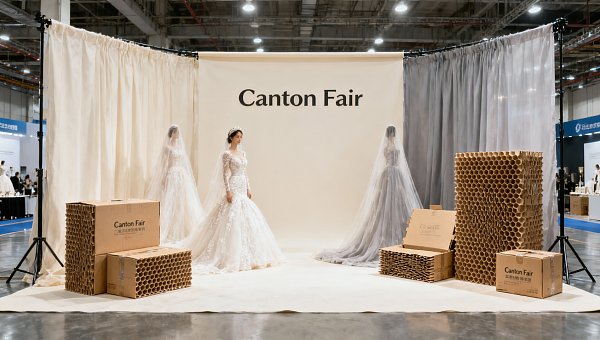
 Eco PackagingCanton Fair Wedding Photo Props Zone Sees 37% YoY GrowthWedding photo props at Canton Fair surge 37% YoY—biodegradable packaging & magnetic modular backdrops lead global demand. Discover key trends now!Packaging Supply ExpertApr 24, 2026
 Export UpdatesChina Customs Launches Beta 'Wedding Photo Props Export Compliance Self-Check Platform'Wedding photo props exporters: Use China Customs’ new beta Self-Check Platform for real-time export compliance guidance on HS codes like 9405.40, 4202.92 & 6307.90 — avoid delays in US, EU, ASEAN & Middle East markets.Apr 24, 2026
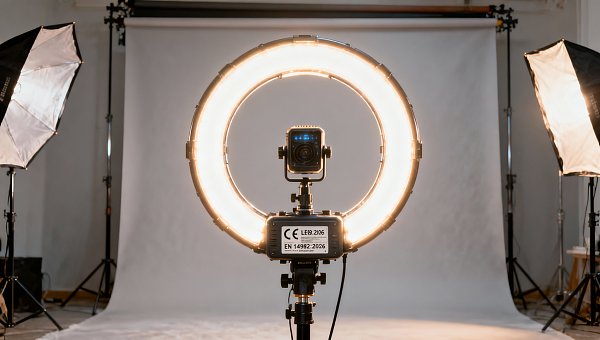
 Commercial LEDEN 14982:2026 Effective: LED Softlight Devices for Wedding Photography Must Pass Enhanced EMC Immunity TestsLED softlight devices for wedding photography must now pass enhanced EMC immunity tests per EN 14982:2026 — ensure CE compliance before EU market entry!Commercial Tech EditorApr 24, 2026
 Carton & PlasticsUS CPSC Recalls 7 Chinese Wedding Backdrop Makers for FormaldehydeUS CPSC recalls 7 Chinese wedding backdrop makers for formaldehyde—critical alert for婚纱摄影 exporters, MDF suppliers & US importers. Act now to avoid detention & liability.Packaging Supply ExpertApr 24, 2026