Industry News
Curation by industry experts
Hot Articles
- Industry NewsUS CPSC Updates Safety Guidelines for Wedding Prop Fabrics: Glitter Coatings Must Pass EN71-3 Migration Test
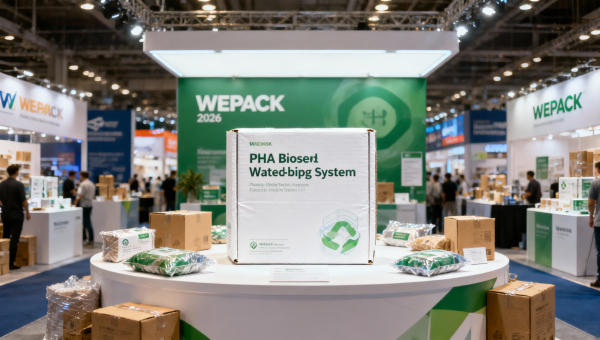
- Industry NewsWEPACK 2026 Shenzhen Show Highlights PHA-Based Barrier System for Global Markets
- Industry NewsRed Sea Crisis Escalates: Dubai Port Imposes High-Risk Surcharge on Packaging Goods
Popular Tags
How to Vet a Brass Pipe Fittings Supplier Before Bulk Orders
Choosing the right brass pipe fittings supplier for bulk orders requires more than a price comparison. For procurement teams in lighting and industrial sourcing, supplier vetting affects quality, compliance, delivery stability, and long-term cost control. This guide explains how to assess manufacturing capability, certifications, risk signals, and communication standards so buyers, distributors, and commercial evaluators can make confident, data-backed sourcing decisions.
Why supplier vetting matters in lighting and commercial hardware sourcing
In the lighting and illumination sector, brass pipe fittings are rarely treated as a standalone commodity. They often support fixture assembly, conduit routing, decorative lamp structures, threaded joints, compressed air interfaces in production lines, or fluid and gas control in related equipment. When bulk orders are placed without proper supplier vetting, the result is not only defective fittings but also delayed lamp assembly, rework at the installation stage, and rising warranty exposure across the distribution chain.
For procurement managers, three risks usually appear first: dimensional inconsistency, unstable plating or surface finish, and shipment variability between sample approval and production lots. In lighting projects with 2–4 week installation windows, even a small thread mismatch can disrupt field work. For distributors and agents, this becomes a reputation issue, because customers expect repeatable fit, finish, and packaging quality across multiple purchase cycles.
A strong brass pipe fittings supplier should therefore be reviewed through a wider lens: manufacturing capability, material control, process discipline, documentation, and service response. This matters even more when fittings are used in decorative lighting, architectural fixtures, outdoor housings, or OEM lamp assemblies where appearance and dimensional tolerance carry equal weight. A unit price difference of 3%–8% may look attractive, but one rejected batch can erase that saving quickly.
For information researchers and business evaluators, the key question is simple: can this supplier support repeatable bulk orders over 6–12 months, not just one initial shipment? That is where structured vetting becomes more valuable than short-term negotiation.
What makes brass fittings especially sensitive in lighting applications?
Unlike hidden industrial connectors, fittings used in lighting can influence both function and appearance. A brass elbow, nipple, reducer, or threaded coupling may remain visible in pendant lamps, wall sconces, track systems, and vintage-style luminaires. That means buyers often evaluate four dimensions at once: thread accuracy, mechanical strength, plating consistency, and visual finish.
In addition, lighting supply chains frequently mix standard parts with semi-custom components. A supplier may need to manage low-volume prototypes, then scale to medium or large production runs. If the factory lacks stable tooling, lot traceability, or inspection discipline, quality drift usually appears between the first 500 pieces and the next 5,000 pieces.
- Visible decorative fittings require tighter finish control than hidden utility fittings.
- Outdoor or humid-use lighting may require added attention to corrosion resistance and sealing compatibility.
- OEM lamp makers often need thread matching with sockets, stems, locknuts, and accessory hardware from different vendors.
This is why a supplier review for the lighting industry should not follow a generic plumbing-only checklist. The evaluation has to reflect assembly precision, appearance consistency, and project delivery demands.
How to evaluate manufacturing capability before bulk brass pipe fittings orders
Before discussing price tiers, buyers should confirm whether the supplier is a trader, a factory, or a hybrid sourcing organization. None of these models is automatically wrong, but the risk profile changes. A direct manufacturer may control tooling and inspection more tightly, while a trading company may offer broader product integration. For lighting procurement, the practical issue is whether the supplier can maintain process control from raw brass material to finished threaded components.
Start with the production route. Ask whether the parts are forged, machined from bar stock, cast and machined, or produced through mixed processes. Each route affects thread quality, dimensional repeatability, and surface appearance. For decorative lighting hardware, machining quality and finishing discipline often matter more than headline capacity. For utility-side fittings, pressure suitability and thread precision become the primary concern.
A useful pre-order review usually covers 5 key checkpoints: raw material traceability, tooling condition, in-process inspection, finishing capability, and final packaging control. If the supplier cannot explain these points clearly within 1–2 meetings, that is often a sign of weak operational visibility. Buyers should also ask how nonconforming product is segregated and how lot identification is maintained during packing.
For bulk orders tied to lighting projects, sample consistency is not enough. Request evidence of batch management, such as inspection records for first article, in-process checks, and final release. If the supplier offers custom threads, special finishes, or logo marking, ask whether these are handled in-house or subcontracted. Outsourced finishing can be acceptable, but only when quality ownership is clearly defined.
Factory review questions that quickly reveal capability
The fastest way to verify supplier maturity is to ask process-based questions instead of broad marketing questions. For example, ask how thread gauges are controlled, how often production dimensions are checked, and what the normal lead time is for repeat orders versus new-tool orders. Serious suppliers usually answer with ranges, methods, and control steps, not vague assurances.
You should also confirm whether the supplier can support sample cycles in 7–15 days and repeat production in 3–6 weeks, depending on complexity and finish. These are common commercial ranges for many hardware and lighting support components, though exact timing depends on quantity, tooling, and plating queue. A supplier that promises very short delivery without reviewing drawings or specifications should be treated carefully.
Practical capability checklist
- Can the supplier provide material grade information for brass stock and explain its sourcing control?
- Are thread standards such as NPT, BSP, BSPT, or metric threads understood and verified with gauges?
- Is there a defined inspection frequency, such as first-piece approval plus hourly or per-lot dimensional checks?
- Can the factory manage finishing options like natural brass, nickel plating, chrome plating, or antique treatments without major color drift?
- Does packaging protect threads and finished surfaces during export transit of 2–6 weeks?
If a supplier can answer these questions with drawings, photos, sample records, and process logic, the probability of stable bulk fulfillment is usually much higher.
The table below helps buyers compare supplier types and their practical fit for brass pipe fittings sourcing in lighting-related projects.
No model is universally superior. The right choice depends on whether your priority is customization, supply chain breadth, or oversight support. For many lighting buyers, the winning supplier is the one that combines technical clarity with reliable execution records.
Which certifications, standards, and documents should buyers check?
Certifications should be treated as part of supplier due diligence, not as a shortcut to approval. For brass pipe fittings used in lighting assemblies, buyers often need a mix of quality management documents, material declarations, and thread or dimensional references. The exact package depends on whether the fittings are decorative, structural, fluid-related, or tied to regulated end uses.
In most B2B reviews, buyers should at minimum check for a functioning quality system, inspection records, and product specifications tied to drawings or standards. If the parts are exported into markets with chemical substance requirements, request applicable declarations such as RoHS or REACH-related statements when relevant to the product and destination. If plating is involved, process control and substance restrictions become more important than generic promotional claims.
For thread compatibility, the supplier should clearly state the thread system and inspection method. Confusion between BSP and NPT remains a common source of field failure. In lighting projects, where installers may work under tight schedules, replacing mismatched threaded brass pipe fittings on site can create avoidable labor costs. A document pack with drawing revision control, thread specification, finish description, and packaging method often prevents these problems early.
Buyers should also confirm what the supplier can provide per shipment. A common expectation includes packing list, commercial invoice, inspection summary, and if requested, material or finish-related documentation. For distributor programs, keeping a standard documentation set across every order for 3–4 quarters makes supplier performance easier to compare over time.
Useful document categories for supplier review
The following table shows which documents are commonly reviewed when vetting a brass pipe fittings supplier for lighting and hardware procurement.
A supplier that shares clear, current, order-linked documents is easier to qualify than one that only sends certificates without product traceability. In bulk sourcing, paperwork quality often predicts operational quality.
Common compliance mistakes to avoid
- Approving a sample without locking the drawing revision and finish description.
- Assuming one material declaration applies to all plated and unplated versions.
- Ignoring packaging and labeling details that matter for distributor inventory control.
These points look minor during early sourcing, but they often create disputes once monthly or quarterly replenishment orders begin.
What should procurement teams compare beyond price?
Price comparison is necessary, but it is not the main decision tool for a brass pipe fittings supplier. In lighting supply chains, a lower quote may reflect thinner inspection, unstable finishing, weaker packaging, or limited support for mixed-SKU orders. Procurement teams should compare landed value, not invoice value. That means evaluating total cost across quality, lead time, communication speed, and corrective action efficiency.
A practical comparison framework usually includes 6 dimensions: quoted price, MOQ flexibility, lead time reliability, defect handling, documentation quality, and engineering responsiveness. For distributors, one more dimension matters: consistency across repeat orders every 30–90 days. A supplier that performs well once but struggles on replenishment is not a strong long-term partner.
Commercial evaluators should also look at communication behavior. Does the supplier ask clarifying questions about thread type, tolerance, finish, and packaging? Or do they send a quote immediately with little technical review? Fast quoting can be useful, but technical silence often signals future mismatch risk. In B2B hardware sourcing, good questions are a positive sign.
For lighting OEMs, project-based orders often include custom color, logo labels, assembly kits, or retail-ready packs. These services influence warehouse efficiency and channel performance. A supplier that supports such details may deliver better commercial value than one with the lowest unit cost.
A buyer-friendly comparison matrix
Use the following comparison logic before issuing a bulk purchase order or annual sourcing nomination.
When these factors are reviewed together, procurement teams can distinguish a low-price supplier from a low-risk supplier. For most commercial buyers, the second option produces better long-term margins.
Red flags that deserve immediate follow-up
- The quotation does not specify thread standard, finish, or tolerance basis.
- The supplier avoids sharing photos of production, inspection tools, or packaging methods.
- Sample quality is acceptable, but no explanation is given for batch control during larger orders.
- Responses are fast before quotation but slow once technical questions begin.
A red flag does not always mean the supplier should be rejected, but it does mean the buyer should slow down and request evidence before moving to deposit or scheduling.
How to reduce risk during sampling, pilot orders, and repeat procurement
The most effective way to vet a brass pipe fittings supplier is to divide approval into stages. Many procurement teams use a 3-step path: sample validation, pilot order, then bulk order release. This approach reduces exposure because the supplier must prove consistency at each stage, not only capability on paper. For lighting components with finish or thread sensitivity, this staged review is especially valuable.
During sampling, confirm 4 items in writing: drawing revision, thread type, finish requirement, and packaging expectation. During the pilot order, measure not only product quality but also order handling, carton marking, shipment preparation, and issue response. By the time the first bulk order is placed, the buyer should already know how the supplier behaves under normal operating pressure.
Repeat procurement adds another layer. After the first 2–3 shipments, review whether the supplier maintains lead time, finish uniformity, and packing consistency. In lighting and display supply chains, even minor color variation on exposed brass components can trigger customer complaints. A quarterly supplier scorecard can help identify drift before it becomes a channel problem.
Buyers should also define the corrective action route before large-volume ordering begins. If defects are found, who reviews the claim, within what time window, and what evidence is needed? Clear rules reduce friction and support faster recovery.
A simple implementation workflow for bulk-order approval
- Step 1: RFQ and technical clarification, usually 3–7 business days depending on drawing completeness.
- Step 2: Sample production and approval, often 7–15 days for standard or lightly customized fittings.
- Step 3: Pilot order, used to verify production repeatability, packaging, and shipment readiness.
- Step 4: Bulk order release with agreed inspection checkpoints and documentation list.
This structured approach is more reliable than approving a supplier after a single attractive sample. It also gives distributors and agents better confidence when committing stock to their own downstream customers.
FAQ: common buyer questions
How many samples should be reviewed before a bulk brass pipe fittings order?
For standard fittings, buyers often review a small set for dimensional and finish confirmation, then use a pilot order to check consistency. If the fittings are decorative, custom-threaded, or paired with visible lighting hardware, reviewing more than one finish lot is often sensible. The key is not only quantity of samples, but whether they represent the actual production method.
What lead time is typical for repeat orders?
Common commercial ranges for repeat orders are often around 3–6 weeks, depending on order size, machining load, plating schedule, and export preparation. Buyers should always ask for timing based on the exact SKU mix rather than relying on a generic factory promise.
What is the most overlooked risk in supplier vetting?
Documentation mismatch is frequently overlooked. A sample may be approved, but if the bulk order does not lock the same thread spec, finish code, and packaging instructions, the delivered goods can differ in meaningful ways. This is a common source of avoidable disputes.
Why work with a sourcing intelligence partner for supplier evaluation?
For many buyers, the challenge is not understanding brass pipe fittings themselves. The challenge is comparing suppliers across regions, verifying documentation, and connecting technical review with commercial decision-making. That is where a sourcing intelligence partner adds value. In sectors such as lighting and displays, supply chains often cross multiple product categories, from fittings and fasteners to fixture components and packaging. A fragmented review process makes risk harder to detect.
Global Supply Review supports procurement directors, sourcing managers, distributors, and business evaluators with a more structured way to assess suppliers. Instead of relying only on catalogs or price sheets, buyers can align supplier screening with practical decision points: manufacturing capability, compliance readiness, documentation strength, and category fit. This is particularly useful when brass pipe fittings are part of a larger lighting hardware program rather than a single isolated SKU.
A data-driven review process helps buyers shorten the gap between early research and qualified sourcing. It also improves communication across technical, procurement, and commercial teams. When the same supplier scorecard is used across 5 or 6 evaluation dimensions, internal approval becomes faster and supplier comparison becomes more objective.
For exporters and manufacturers, this environment also creates a more serious platform to present capability, process discipline, and product fit to global buyers. That matters in competitive categories where trust signals influence whether a supplier is shortlisted for sampling or removed at the first screening stage.
Why choose us for supplier screening support
If you are reviewing a brass pipe fittings supplier for lighting-related bulk orders, Global Supply Review can help you move beyond generic vendor lists and incomplete quotations. We can support your evaluation around the issues that actually affect procurement outcomes: parameter confirmation, supplier positioning, documentation review, manufacturing-fit assessment, and category-specific sourcing logic.
You can contact us to discuss sample support planning, supplier shortlist criteria, thread and finish specification checkpoints, expected delivery cycles, and how to compare factories for repeat purchasing. If your program includes custom lighting hardware, mixed-SKU orders, or distributor-level stock planning, we can help structure the comparison so decisions are clearer and faster.
Our practical support areas include product selection guidance, quotation comparison frameworks, compliance document review, pilot-order planning, and risk-point identification before bulk commitment. For buyers managing tight project windows or expanding into new sourcing markets, that extra layer of structure can reduce both uncertainty and costly rework.
If you are preparing an RFQ, validating a new supplier, or reviewing bulk-order readiness for brass pipe fittings in lighting applications, reach out with your drawings, target specifications, delivery expectations, and certification questions. That makes it easier to identify the right supplier path before volume and timeline pressure increase.
Recommended News
 Industry NewsUS CPSC Updates Safety Guidelines for Wedding Prop Fabrics: Glitter Coatings Must Pass EN71-3 Migration TestUS CPSC now requires EN71-3 migration testing for glitter coatings on wedding props & cosmetic packaging. Exporters must comply to avoid customs delays. Learn key action steps for 2026 regulations.Apr 21, 2026
 Industry NewsWEPACK 2026 Shenzhen Show Highlights PHA-Based Barrier System for Global MarketsDiscover BoCarbon's PHA-based barrier system at WEPACK 2026 Shenzhen, a game-changing sustainable packaging solution with FDA/EFSA certification. Learn how global brands like KHS and Indofood are adopting this plastic alternative for paper-based packaging.Apr 21, 2026
 Industry NewsRed Sea Crisis Escalates: Dubai Port Imposes High-Risk Surcharge on Packaging GoodsDubai's new High-Risk Surcharge on packaging goods via Red Sea routes ($850-$1,420/container) plus 18% Suez toll hike forces businesses to rethink logistics strategies. Learn cost impacts & mitigation tactics.Apr 21, 2026
 Industry NewsEU REACH Annex XVII Adds Glitter Coating Restrictions, Requiring SVHC Declarations for Chinese Exporters from July 2026EU REACH Annex XVII now restricts glitter coatings in packaging, requiring SVHC declarations from Chinese exporters by July 2026. Learn how this impacts packaging, cosmetics & luxury goods sectors and key compliance steps to avoid trade disruptions.Apr 21, 2026