Industry News
Curation by industry experts
Hot Articles
Popular Tags
Metal hardware finishes that hold up better in humid interiors
In humid interiors, selecting the right metal hardware finish is critical for durability, appearance, and long-term sourcing value. For furniture business buyers, decor vendor networks, and procurement teams comparing wholesale hardware, construction hardware, and hardware accessories, the right choice can reduce corrosion risk and maintenance costs. This guide explores which metal hardware finishes perform best in moisture-prone spaces while helping lighting suppliers, furniture buyer groups, and related B2B sourcing professionals make smarter decisions.
Why humid interior environments create faster hardware failure
Humidity is not only a coastal or tropical problem. In textile and leather product environments, indoor moisture can build up in warehouses, fitting rooms, hotel projects, upholstered furniture production areas, and retail display spaces. Relative humidity above common indoor comfort ranges, especially when it stays elevated for weeks or months, can speed up corrosion on hinges, rivets, hooks, zippers, buckles, decorative studs, and other metal hardware finishes.
For procurement teams, the challenge is practical. A finish that looks acceptable in a dry showroom may discolor, pit, or lose surface uniformity in 3–12 months inside humid interiors. This matters for textile accessories, leather goods trims, furniture fittings, and display hardware because visual consistency is tied directly to sell-through, warranty cost, and distributor confidence.
Moisture damage becomes even more likely when humid air combines with hand oils, cleaning agents, fabric dyes, tanning residues, or packaging migration. In leather goods and textile applications, hardware often sits near absorbent materials that hold moisture longer than hard surfaces do. That means corrosion risk is not only about room climate; it is also about contact conditions over repeated use cycles.
Buyers evaluating metal hardware finishes should examine at least 4 dimensions: base metal, finish type, interior humidity exposure pattern, and maintenance reality. A procurement decision based only on unit price can create avoidable replacement costs across 2–4 sourcing cycles, especially when the same finish is used across bags, furniture accents, leather straps, retail fixtures, and decorative hardware components.
Where humidity-related finish issues appear most often
- Textile display systems in malls or hospitality interiors, where air conditioning cycles create alternating condensation and drying.
- Leather handbags, belts, and accessories stored in dense packaging for 30–90 days before retail rollout.
- Furniture hardware paired with soft goods, especially in bedrooms, resorts, spas, and humid residential interiors.
- Decorative metal trims near windows, bathrooms, indoor pools, or poorly ventilated commercial spaces.
Which metal hardware finishes hold up better in humid interiors
Not all finishes perform equally under indoor humidity. In most B2B sourcing scenarios, the strongest options are those that combine a corrosion-resistant substrate with a stable surface treatment. Stainless steel with brushed or passivated surfaces, quality PVD-coated hardware, well-controlled powder coating on suitable parts, and properly specified electroplated finishes with sealing layers generally outperform decorative-only coatings.
For textile and leather products, appearance is usually as important as corrosion resistance. Buyers often choose between bright nickel, matte black, antique brass, satin chrome, gunmetal, and painted finishes. The key question is not just color. It is whether the finish stack includes enough protective depth and process stability to withstand daily touch, humid storage, and packaging transit over 6–18 months.
As a general sourcing rule, stainless steel is preferred where function and moisture durability matter most, while PVD or sealed electroplating is often selected when both aesthetics and moisture resistance are required. Powder coating can work well for larger furniture or display components, but it is less suitable for very small moving parts where coating thickness may affect tolerances or wear points.
The table below compares common metal hardware finishes used in furniture, decor, textile accessories, and leather goods procurement for humid interiors.
This comparison shows why the best finish depends on both use intensity and humidity pattern. A bag buckle used daily in a tropical retail market needs a different finish strategy than a decorative rail in a climate-controlled showroom. Procurement teams should separate low-touch, medium-touch, and high-touch applications before standardizing any finish across a product range.
A practical ranking for sourcing teams
If corrosion resistance is the top priority, stainless steel usually leads. If visual finish and color depth matter more for premium decor, PVD-coated hardware often offers a strong balance. If budget pressure is high and exposure is moderate, sealed electroplating may be acceptable. Powder coating is effective for larger hardware accessories where mechanical wear is limited and dimensional tolerance is less critical.
Three common mistakes in finish selection
- Choosing by color card only, without confirming substrate and finish process sequence.
- Using one decorative metal hardware finish across all product lines, despite different touch frequency and storage conditions.
- Ignoring packaging humidity exposure during 2–8 weeks of transit and warehouse holding time.
How to match hardware finishes to textile and leather product applications
In textiles and leather goods, metal hardware is not a standalone item. It interacts with fabric abrasion, tanning chemistry, surface oils, adhesives, and user handling. That is why application-based selection is more reliable than generic finish preference. Procurement managers should define the use case first, then match the finish to function, touch level, and visual expectations.
For example, humid interiors affect upholstered furniture hardware differently from leather bag hardware. Furniture components may face lower friction but longer exposure. Bag buckles and strap rings face repeated touch, body oils, and enclosed storage. Display hardware in textile retail spaces must preserve visual quality under changing HVAC cycles and frequent cleaning. Each case shifts the finish decision.
A useful way to standardize sourcing is to divide applications into 3 groups: structural hardware, decorative hardware, and functional touchpoint hardware. Structural parts need coating integrity and substrate stability. Decorative parts need appearance retention. Functional touchpoints need wear resistance plus corrosion control. When this framework is used early, supplier communication becomes faster and sample approval cycles are usually reduced.
The table below helps buyers align common indoor use cases with more suitable metal hardware finishes and common sourcing cautions.
For sourcing teams working across product families, this approach also helps rationalize SKUs. Instead of managing 12–20 decorative finish variants with uncertain durability, buyers can narrow approved options to a smaller matrix by touch level, room humidity, and product type. That reduces confusion for distributors and improves consistency in replenishment programs.
Application checklist for commercial buyers
- Define whether the hardware is structural, decorative, or user-touchpoint driven.
- Estimate storage and transit exposure for at least the first 30–60 days after production.
- Check if hardware contacts dyed fabric, finished leather, adhesives, or cleaning chemicals.
- Approve finish samples under realistic indoor lighting and humidity conditions, not under dry lab-only conditions.
What procurement teams should verify before placing volume orders
A reliable metal hardware finish decision should move through a structured review rather than a visual sample sign-off alone. For buyers in furniture, leather goods, and textile accessories, the most useful process usually includes 5 checkpoints: substrate review, finish specification, appearance approval, environmental testing reference, and packaging validation. Skipping one of these often leads to mismatch between approved samples and delivered lots.
Lead time is another hidden variable. A standard decorative hardware order may ship in 2–6 weeks, but special colors, low-volume custom plating, or multi-step finishing can extend timing. If humid-storage performance matters, buyers should build in enough time for pre-production samples and a short verification cycle. Rushing finish selection close to shipment date usually increases commercial risk.
When speaking with suppliers, ask for process details that affect humid interior performance. These may include base material type, finish sequence, sealing method, recommended use environment, and any common internal test references such as adhesion or corrosion screening. Even if exact performance values vary by supplier, the quality of these answers tells buyers a great deal about process maturity.
The following table can be used by sourcing managers, distributors, and commercial evaluators as a practical procurement scorecard before confirming a hardware finish program.
Using a scorecard like this supports better cross-functional decisions. Product teams can focus on look and feel, sourcing teams can check process discipline, and business evaluators can estimate the true cost of claims, replacements, and delayed reorders. In many cases, paying slightly more for a better metal hardware finish is cheaper than handling repeated field complaints across one selling season.
Standards, compliance, and practical documentation
Requirements vary by market, but commercial buyers often review finish specifications together with broader material compliance expectations. Depending on product category, that may include restricted substance management, coating consistency, and documentation suitable for importer review. For textile and leather accessories, hardware should also be checked for compatibility with adjacent materials to reduce staining, transfer, or finish instability during storage.
A good supplier conversation should cover 3 layers of documentation: technical finish description, quality control checkpoints, and shipment packaging method. That documentation does not need to be overly complex. It simply needs to be clear enough for procurement, QA, and channel partners to align before production begins.
Cost, alternatives, and common sourcing trade-offs
Cost pressure is real, especially for distributors, private-label buyers, and mixed-category importers. However, the cheapest finish is rarely the lowest-cost finish once humid interior exposure, return handling, and brand presentation are considered. A lower-priced plated component may look competitive at quotation stage, but if it triggers rework or replacement within one retail cycle, the landed cost picture changes quickly.
The best approach is to compare alternatives by total sourcing value. This usually includes unit price, expected service life, finish consistency, sample approval risk, and replacement likelihood. For medium-volume orders, even a small difference in claim rate can outweigh the original purchase saving. This is particularly relevant in textile and leather product categories where hardware quality affects perceived product grade immediately.
Buyers can also use tiered specification planning. For example, premium collections may use stainless steel or PVD finishes, while mid-range lines use sealed plating in lower-risk indoor environments. This creates a 2-tier or 3-tier sourcing model that supports margin management without exposing every SKU to the same durability risk.
Where budget is tight, one sensible alternative is to upgrade only the highest-touch or most visible parts rather than every metal component. That can preserve appearance and reduce complaint frequency while keeping the bill of materials under control.
Common trade-off decisions
- Use premium finish only on exposed hardware and standard finish on concealed parts.
- Standardize 3–5 finish colors instead of carrying many low-volume decorative variants.
- Specify stronger packaging protection for humid-season shipments instead of changing all hardware specifications.
- Reserve powder coating for larger display or furniture hardware while using plated or PVD solutions for precision accessories.
FAQ for buyers comparing metal hardware finishes in humid interiors
How do I choose between stainless steel and plated hardware for indoor humid spaces?
Choose stainless steel when moisture resistance, longer service life, and lower maintenance are more important than achieving a highly decorative plated look. Choose plated hardware when color style and lower upfront cost are priorities, but verify substrate quality, sealing, and use conditions. For high-touch products such as leather bag fittings or exposed furniture accents, stainless steel or higher-grade PVD solutions often provide a safer long-term option.
Which finish is better for decorative hardware on leather bags and accessories?
For leather bags and accessories used in humid interiors, PVD-coated hardware or well-controlled sealed plating is often preferred because buyers need both appearance and corrosion resistance. The right answer depends on price band, touch frequency, and storage duration. If products may remain packed for 30–90 days before sale, ask suppliers to confirm how the finish performs in enclosed, moisture-prone conditions.
What should procurement teams focus on during sample approval?
Focus on 5 points: finish color consistency, edge coverage, scratch visibility, interaction with adjacent textile or leather materials, and packaging protection during transit. If possible, review samples after short storage simulation rather than approving immediately on arrival. This helps identify staining, adhesion issues, or surface change that may not appear on day one.
Are powder-coated finishes suitable for all humid interior hardware?
No. Powder coating works best on larger furniture or display hardware where coating coverage can be controlled and moving friction is limited. It is less ideal for small precision parts, rotating hardware, or details with tight tolerances. Buyers should also inspect corners, welds, drilled holes, and hidden joints, because these are common weak points in humid settings.
What is a realistic sourcing timeline for finish confirmation?
A practical timeline often includes 1–2 weeks for finish sample preparation, several days for internal review, and 2–4 weeks for production depending on order scale and finish complexity. Custom colors, multi-step plating, and cross-border approvals can extend this further. If the project involves commercial furniture, retail fixtures, or leather goods collections with multiple trim types, start finish decisions early to avoid shipment compression.
Why work with Global Supply Review for hardware finish selection and sourcing insight
For global buyers in textiles, leather products, furniture, decor, and related light manufacturing categories, finish selection is no longer a minor technical detail. It affects sourcing stability, visual quality, channel satisfaction, and margin protection. Global Supply Review supports this decision process by connecting market intelligence, sourcing judgment, and cross-category understanding across hardware, furnishings, and material-driven product sectors.
This is especially valuable when teams need to compare suppliers, narrow finish options, or align product appearance with humid interior performance. Instead of evaluating metal hardware finishes in isolation, GSR helps buyers frame the bigger picture: application fit, procurement risk, compliance expectations, packaging impact, and replenishment practicality. That makes decision-making more efficient for sourcing managers, business evaluators, and distributor networks.
If you are reviewing decorative hardware for leather accessories, furniture trims for humid hospitality interiors, or wholesale hardware options for textile display systems, GSR can support more focused discussions around finish parameters, supplier comparison points, lead-time expectations, and sample review priorities. This reduces ambiguity before volume commitment and helps teams move from inquiry to shortlist faster.
Contact Global Supply Review to discuss metal hardware finish selection, application matching, sample evaluation criteria, delivery cycle planning, packaging risk checks, certification-related questions, or quotation benchmarking for your next sourcing round. Whether you need help with one product family or a broader multi-category procurement program, the conversation can start with clear, commercially useful topics rather than generic sales language.
Recommended News
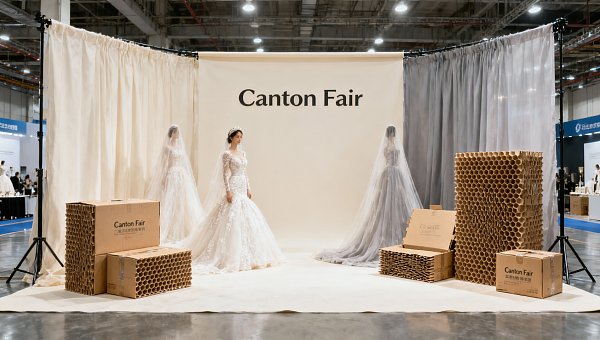
 Eco PackagingCanton Fair Wedding Photo Props Zone Sees 37% YoY GrowthWedding photo props at Canton Fair surge 37% YoY—biodegradable packaging & magnetic modular backdrops lead global demand. Discover key trends now!Packaging Supply ExpertApr 24, 2026
 Export UpdatesChina Customs Launches Beta 'Wedding Photo Props Export Compliance Self-Check Platform'Wedding photo props exporters: Use China Customs’ new beta Self-Check Platform for real-time export compliance guidance on HS codes like 9405.40, 4202.92 & 6307.90 — avoid delays in US, EU, ASEAN & Middle East markets.Apr 24, 2026
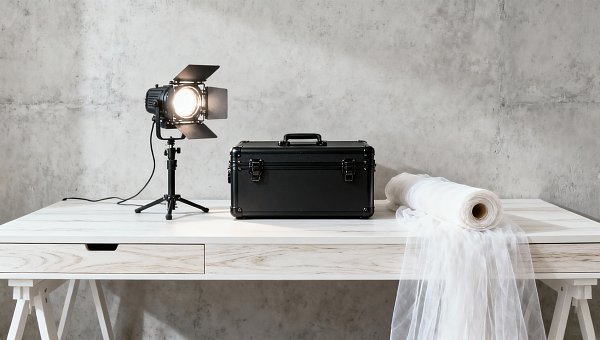
 Commercial LEDEN 14982:2026 Effective: LED Softlight Devices for Wedding Photography Must Pass Enhanced EMC Immunity TestsLED softlight devices for wedding photography must now pass enhanced EMC immunity tests per EN 14982:2026 — ensure CE compliance before EU market entry!Commercial Tech EditorApr 24, 2026
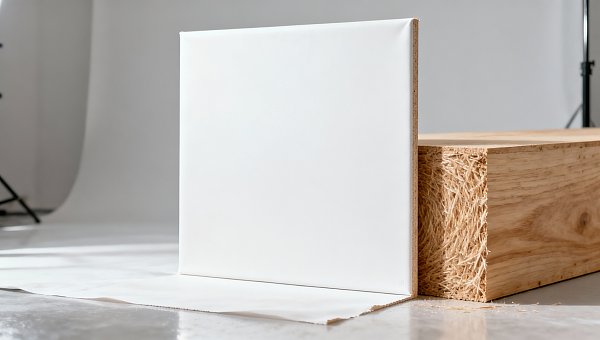
 Carton & PlasticsUS CPSC Recalls 7 Chinese Wedding Backdrop Makers for FormaldehydeUS CPSC recalls 7 Chinese wedding backdrop makers for formaldehyde—critical alert for婚纱摄影 exporters, MDF suppliers & US importers. Act now to avoid detention & liability.Packaging Supply ExpertApr 24, 2026