Industry News
Curation by industry experts
Hot Articles
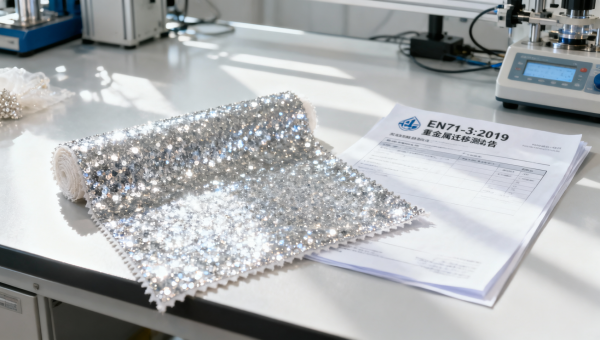
- Industry NewsUS CPSC Updates Safety Guidelines for Wedding Prop Fabrics: Glitter Coatings Must Pass EN71-3 Migration Test
- Industry NewsWEPACK 2026 Shenzhen Show Highlights PHA-Based Barrier System for Global Markets
- Industry NewsRed Sea Crisis Escalates: Dubai Port Imposes High-Risk Surcharge on Packaging Goods
Popular Tags
Self Tapping Screws for Wood vs Pilot Holes: What Changes?
When choosing self tapping screws for wood, the key difference is not simply whether installation is faster. What really changes is the balance between speed, holding consistency, surface quality, splitting risk, and assembly repeatability. For furniture and decor buyers, pilot holes are not always mandatory, but they often become important when working with hardwoods, thin edge sections, visible surfaces, engineered boards, or high-volume assembly where defect rates matter. In practical sourcing terms, the right decision depends on material type, screw design, finish expectations, and the cost of mistakes.
For procurement teams, distributors, and product evaluators, this is less a workshop question and more a product suitability question. A screw that performs well without pre-drilling in softwood may cause failures in hardwood panels or decorative components. Understanding what changes when pilot holes are added helps buyers compare fastening options more accurately and reduce returns, assembly issues, and material waste.
What changes when pilot holes are used with self tapping screws for wood?
The biggest change is control. Self tapping screws for wood are designed to cut or form their own path into the material, but a pilot hole reduces resistance and guides the screw more precisely. That affects several outcomes at once:
- Lower splitting risk: especially near board edges, narrow rails, and end-grain entry points.
- More consistent driving torque: useful in assembly lines and knock-down furniture production.
- Cleaner surface finish: important for visible furniture components and decorative wood parts.
- Reduced installation stress: which can matter in brittle engineered wood materials.
- Potentially slower assembly: because pre-drilling adds time, tooling, and process steps.
Without a pilot hole, self tapping screws save labor and simplify installation. With a pilot hole, they usually deliver more predictable results. The trade-off is speed versus reliability, but the real value lies in knowing when reliability has higher business value than raw installation speed.
When can self tapping screws for wood be used without pilot holes?
In many furniture and decor applications, pilot holes are not necessary if the screw and substrate are well matched. This is often true in:
- Softwood components
- Low-density boards
- Thicker sections with generous edge distance
- Hidden structural joints where minor surface disruption is acceptable
- Fast, field-based installation work where labor efficiency matters most
Modern self tapping screws for wood with sharp points, optimized thread geometry, and cutting features are often designed specifically to reduce the need for pre-drilling. In modular furniture assembly, shop fittings, utility shelving, and some concealed interior components, this can improve throughput and lower total installation time.
However, buyers should not assume “self tapping” automatically means “safe in every wood scenario.” Performance depends heavily on wood density, moisture content, panel construction, screw diameter, and screw head style.
When do pilot holes become the better choice?
Pilot holes become more valuable when the cost of material damage or fastening inconsistency is higher than the added drilling time. In furniture and decor, that commonly includes:
- Hardwood parts: denser species create more driving resistance and higher cracking risk.
- Edge fastening: narrow frame members and slim decorative profiles are more likely to split.
- Visible surfaces: surface bulging, chipping, or cracking is more noticeable on premium products.
- Engineered boards: MDF, particle board, plywood, and laminated substrates can behave differently from solid wood.
- High-value finished components: coated, veneered, painted, or laminated parts need better process control.
- Precision assembly: where alignment consistency matters across repeated production runs.
For example, in minimalist furniture and decorative products with thin panels and clean exposed surfaces, pilot holes can help preserve appearance and reduce rejects. In office furniture systems, where interchangeable parts and repeat assembly matter, pilot holes may also improve fit consistency and reduce installer variation.
How do pilot holes affect holding strength and joint performance?
This is one of the most misunderstood areas. Many buyers assume that skipping a pilot hole always gives stronger holding because the screw cuts more aggressively into the material. In reality, the outcome is more nuanced.
A properly sized pilot hole can improve overall joint quality because it allows the threads to engage the wood more cleanly without overstressing the surrounding material. If no pilot hole is used in dense or brittle wood, the material may crack internally or around the entry point, which weakens the joint even if initial insertion feels tight.
What matters is correct pilot hole sizing. If the hole is too large, thread engagement drops and holding strength can suffer. If the hole is too small, splitting risk remains high and driving torque may still be excessive. For sourcing and evaluation teams, this means fastening performance should be considered as a system issue: screw design, substrate, pilot hole size, and installation method all work together.
In commercial furniture applications, long-term performance is often tied not just to pull-out force but also to assembly repeatability, reduced board damage, and fewer installation errors in the field.
What does this mean for different wood and board materials?
Material type changes the answer significantly.
Solid softwood
Often the most forgiving category. Many self tapping screws for wood can be installed without pilot holes unless the screw is large, the board is thin, or the fastening point is close to the edge.
Solid hardwood
Pilot holes are much more often recommended. Dense wood increases torque demand and raises the likelihood of splitting, screw breakage, or head damage during installation.
MDF
MDF is uniform but can be fragile around edges. Pilot holes can help maintain cleaner entry and reduce swelling or breakout, especially in decorative or painted parts.
Particle board
Particle board is cost-effective but less tolerant of installation stress. Pilot holes may improve consistency, especially in repeated assembly situations or when using larger screws.
Plywood
Plywood generally offers better holding than particle board, but layer separation and edge breakout can still occur. Pilot holes are useful in thinner sheets and edge applications.
Laminated or veneered panels
For finished furniture surfaces, pilot holes often help minimize visible damage. This matters in premium retail displays, residential furniture, and commercial interior products.
What should procurement teams evaluate when comparing screw options?
If your role involves supplier selection, cost review, or product qualification, the key question is not whether a screw is labeled self tapping. The real question is how reliably it performs in your intended material and assembly process.
Focus on these criteria:
- Thread design: coarse, fine, deep, or specialized thread patterns affect wood engagement.
- Point style: sharper points or cutting tips may reduce the need for pilot holes in some materials.
- Head type: countersunk, pan, or flange heads influence seating, surface finish, and clamp force.
- Coating and corrosion resistance: important for indoor humidity variation and long-term durability.
- Material compatibility: performance in hardwood differs from MDF or particle board.
- Torque performance: especially relevant for automated assembly or installer consistency.
- Defect rate impact: assess splitting, chipping, stripping, and rework frequency.
For distributors and sourcing managers, the best product is often the one that reduces total failure cost, not simply the one that installs fastest in ideal conditions.
How do pilot holes affect production efficiency and total cost?
At first glance, pilot holes appear to increase cost because they add an extra process step. That is true at the direct labor level. But in commercial decision-making, the more important metric is total installed cost.
Pilot holes can reduce:
- Scrap from split panels or cracked parts
- Rework during assembly
- Installer inconsistency across shifts or locations
- Customer complaints related to loose joints or damaged surfaces
- Warranty exposure for premium furniture products
On the other hand, skipping pilot holes can reduce:
- Cycle time
- Tooling complexity
- Labor input in field installation
- Setup requirements for basic applications
The right choice depends on whether your product category values speed more than finish quality and defect prevention. For low-cost, concealed, functional assemblies, direct self tapping installation may be efficient. For higher-value furniture and decor products, pilot holes often support better quality economics.
Practical decision guide: when should buyers specify pilot holes?
Buyers, technical teams, and distributors can use a simple rule-based approach.
- Specify pilot holes when using hardwood, thin sections, edge fastening, decorative surfaces, high-value finished parts, or repeat-assembly systems.
- Consider optional pilot holes for MDF, plywood, and particle board depending on panel thickness, screw size, and finish sensitivity.
- Skip pilot holes more confidently in softwood, hidden joints, thicker sections, and applications where speed is prioritized and slight cosmetic impact is acceptable.
Where possible, request application testing from suppliers rather than relying only on catalog descriptions. A screw that performs well in one wood-based substrate may behave very differently in another. For B2B purchasing, sample validation in real components is usually more valuable than generic claims.
Final takeaway for furniture and decor sourcing decisions
Self tapping screws for wood do not eliminate the need for pilot holes in every case. What changes with pilot holes is the level of installation control, material protection, and outcome consistency. For furniture and decor applications, that can directly affect product appearance, assembly efficiency, defect rates, and long-term joint reliability.
The most practical conclusion is this: use self tapping screws without pilot holes when the material is forgiving and speed is the main priority; add pilot holes when the substrate is dense, the finish is visible, the geometry is delicate, or the cost of damage is high. For procurement and evaluation teams, the best decision is not the fastest method on paper, but the fastening strategy that delivers the lowest total risk and the most stable product quality.
Recommended News
 Industry NewsUS CPSC Updates Safety Guidelines for Wedding Prop Fabrics: Glitter Coatings Must Pass EN71-3 Migration TestUS CPSC now requires EN71-3 migration testing for glitter coatings on wedding props & cosmetic packaging. Exporters must comply to avoid customs delays. Learn key action steps for 2026 regulations.Apr 21, 2026
 Industry NewsWEPACK 2026 Shenzhen Show Highlights PHA-Based Barrier System for Global MarketsDiscover BoCarbon's PHA-based barrier system at WEPACK 2026 Shenzhen, a game-changing sustainable packaging solution with FDA/EFSA certification. Learn how global brands like KHS and Indofood are adopting this plastic alternative for paper-based packaging.Apr 21, 2026
 Industry NewsRed Sea Crisis Escalates: Dubai Port Imposes High-Risk Surcharge on Packaging GoodsDubai's new High-Risk Surcharge on packaging goods via Red Sea routes ($850-$1,420/container) plus 18% Suez toll hike forces businesses to rethink logistics strategies. Learn cost impacts & mitigation tactics.Apr 21, 2026
 Industry NewsEU REACH Annex XVII Adds Glitter Coating Restrictions, Requiring SVHC Declarations for Chinese Exporters from July 2026EU REACH Annex XVII now restricts glitter coatings in packaging, requiring SVHC declarations from Chinese exporters by July 2026. Learn how this impacts packaging, cosmetics & luxury goods sectors and key compliance steps to avoid trade disruptions.Apr 21, 2026