Industry News
Curation by industry experts
Hot Articles
Popular Tags
How to choose lcd video walls for advertising spaces
Choosing the right LCD video walls for advertising spaces is less about buying the brightest screen and more about matching display performance to viewing distance, operating hours, ambient light, content type, and total cost of ownership. For procurement teams, distributors, and commercial buyers, the best option is usually the one that delivers clear visual impact, stable long-term operation, easy service access, and predictable lifecycle cost. In practice, that means evaluating pixel pitch, bezel design, brightness, panel durability, control systems, installation conditions, and after-sales support together rather than in isolation.
For retail stores, hospitality venues, transport hubs, showrooms, and corporate lobbies, LCD video walls remain a practical choice when buyers need sharp images, reliable commercial operation, and structured multi-screen layouts. They can also complement broader smart lighting technology and commercial LED lighting solutions in integrated brand environments. This guide explains how to assess LCD video walls for advertising spaces from a sourcing and business decision perspective.
What is the core buying question behind LCD video walls for advertising?
Most buyers searching for how to choose LCD video walls for advertising spaces are not looking for a basic definition. Their real question is: which video wall configuration will deliver the right visual effect for the site without creating unnecessary installation, maintenance, or replacement costs?
That decision usually comes down to five business factors:
- Visibility: Can the display stay clear and attractive under actual lighting conditions?
- Commercial suitability: Is it designed for long daily operating hours?
- Installation fit: Does it work with the available wall structure, power supply, ventilation, and space?
- Content performance: Will it show promotions, branding, menus, or motion graphics effectively?
- Total ownership cost: What will the buyer spend over the full service life, not just at purchase?
For B2B decision-makers, the smartest purchase is rarely the cheapest unit price. It is the system with the best balance between image quality, uptime, energy use, servicing convenience, and supplier reliability.
Where do LCD video walls make the most sense in advertising spaces?
LCD video walls are especially suitable in environments where advertisers want a large-format digital presence with high-definition image detail and controlled operating conditions.
Typical use cases include:
- Retail chains: product launches, seasonal campaigns, in-store branding, and storefront attraction
- Hotels and hospitality: lobby visuals, event promotions, conference signage, and premium ambiance displays
- Shopping malls: tenant advertising, wayfinding support, and promotional media zones
- Corporate spaces: visitor reception areas, branded storytelling walls, and information displays
- Transport and public venues: schedules, announcements, and advertising combinations
LCD video walls perform best indoors or in semi-controlled environments where brightness requirements are high but not extreme. If the project involves direct sunlight exposure, unusual transparency requirements, or very large seamless façades, buyers may also need to compare alternatives such as direct-view LED or review transparent LED screen price options for glass-facing applications.
How should buyers compare image quality for advertising use?
Image quality is usually the first concern, but it should be judged in relation to the viewing environment rather than by specifications alone.
The main checkpoints are:
1. Brightness
Brightness must match ambient light. In indoor advertising spaces, insufficient brightness leads to washed-out visuals, while excessive brightness may increase power consumption and create viewer discomfort. For storefronts, atriums, and brightly lit commercial interiors, buyers should ask suppliers for recommended brightness based on the actual lux conditions of the installation site.
2. Resolution and screen size
Advertising content often includes product images, pricing, logos, and motion graphics. Higher resolution is valuable when people view the screen from close range. For distant viewing, overall size and composition may matter more than ultra-fine detail.
3. Bezel width
Because LCD video walls use multiple panels, bezel width affects how visible the grid lines appear between screens. For brand advertising and premium environments, ultra-narrow bezel panels generally create a better visual result. Buyers should ask for the combined bezel specification and request real installation photos, not only studio product images.
4. Color consistency
Uneven color across panels damages advertising quality, especially in fashion, beauty, luxury retail, and branded environments. A reliable supplier should provide panel calibration standards and explain how color uniformity is maintained over time.
5. Viewing angle
In public spaces, people often approach from the side rather than directly in front. Wide viewing angles help keep content legible and brand visuals stable from multiple positions.
In short, the best LCD video wall for advertising is the one that remains visually convincing in the real environment, not just on a specification sheet.
What technical specifications matter most for procurement teams?
Procurement teams often receive long technical documents, but only a limited set of specifications truly drive purchasing outcomes.
Focus on these first:
- Panel size and layout flexibility: Determines how easily the video wall fits the architectural space
- Brightness rating: Critical for visibility in commercial interiors
- Contrast ratio: Important for image depth and readability
- Operating hours: Confirms whether the panel is suitable for 16/7, 18/7, or 24/7 commercial use
- Bezel-to-bezel dimension: Affects visual continuity
- Control system compatibility: Impacts content management and integration
- Input interfaces: Ensures compatibility with media players, CMS platforms, and centralized control systems
- Mounting depth and service access: Essential for installation planning and maintenance
- Power consumption: Important for lifecycle cost forecasting
- Warranty and spare parts policy: Directly linked to long-term risk
Buyers should also verify whether the quoted system includes wall mounts, processors, cabling, spare panels, calibration, software licenses, and commissioning support. In many projects, hidden accessory and integration costs change the real budget significantly.
How do installation conditions affect the right choice?
Installation constraints often determine whether a selected product will perform well over time. This is one of the most overlooked parts of sourcing LCD video walls for advertising spaces.
Before comparing quotations, buyers should review:
- Wall structure and load-bearing capacity
- Front or rear maintenance access
- Ventilation and heat dissipation
- Power and data routing
- Ceiling height and sightline geometry
- Nearby lighting fixtures and glare sources
- Integration with surrounding commercial LED lighting solutions
For example, a luxury retail store may prioritize flush installation and visual elegance, while a transport terminal may prioritize service access and uptime. A hospitality buyer may also need the display to work harmoniously with decorative lighting, architectural finishes, and ambient lighting scenes.
If installers cannot easily access failed panels or if heat is trapped behind the wall, even a high-quality video wall can become a maintenance problem. This is why procurement decisions should involve operations, facilities, and installation teams early.
What operating cost and maintenance issues should buyers check?
Long-term cost is often more important than purchase price, especially in networks of stores, hotels, or distribution projects across multiple sites.
Key cost drivers include:
Energy consumption
A video wall operating all day can create a meaningful electricity cost over several years. Buyers should request estimated power consumption under typical advertising content, not only maximum power figures.
Panel lifespan and image stability
Commercial-grade panels are built for extended operation, but buyers should still ask about brightness decay, image retention management, and uniformity drift over time.
Serviceability
If replacing one failed panel requires dismantling a large section of the wall, labor cost and downtime increase. Front-access designs are often preferred where rear access is limited.
Spare strategy
For larger projects, keeping spare panels from the same production batch can reduce future mismatch issues. This matters because replacement panels sourced much later may show slight visual differences.
Software and control support
Content scheduling, remote diagnostics, and centralized monitoring reduce operating friction, especially for multi-site users such as retail chains and franchise networks.
When comparing suppliers, buyers should request a simple 3- to 5-year total cost estimate including energy, maintenance, expected replacement components, and software-related fees.
LCD video wall vs LED display: how should buyers decide?
Many commercial buyers comparing display solutions are also looking at LED products, especially as smart lighting technology and display integration become more common in modern advertising spaces.
A practical comparison is:
- LCD video walls: Strong for high-definition indoor visuals, structured wall layouts, and cost-controlled commercial interiors
- Direct-view LED: Better for seamless large-format impact, long-distance viewing, and higher brightness conditions
- Transparent LED screens: Suitable for glass façades and window displays where visibility through the screen matters, though transparent LED screen price can be significantly higher depending on transparency, pitch, and structural requirements
LCD is often the right choice when buyers want:
- Sharp image quality at close viewing distances
- Indoor advertising walls with predictable budget control
- Commercial-grade operation without moving immediately to higher-cost LED systems
- A proven format for retail, hospitality, and corporate signage
LED may be the better choice when the project requires minimal visible seams, unusual screen shapes, very high brightness, or ultra-large installations.
What questions should procurement teams ask suppliers before buying?
Strong supplier evaluation prevents many downstream problems. Instead of asking only for price, buyers should ask targeted commercial and technical questions.
- Is the panel rated for the intended daily operating hours?
- What is the combined bezel width, and can you provide installed project references?
- What brightness level do you recommend for this specific environment?
- What mounting system is included in the quotation?
- Does the design support front maintenance, rear maintenance, or both?
- What controller, processor, and content management options are included?
- How is panel color calibration handled during installation and after replacement?
- What spare parts are available locally or regionally?
- What is the warranty coverage for panels, power components, and control units?
- Can you provide a lifecycle cost estimate and service response terms?
- Have you completed similar projects in retail, hospitality, or public commercial spaces?
For distributors, agents, and resellers, it is also important to assess packaging quality, shipping protection, documentation completeness, and technical training support. These factors directly affect post-sale performance and customer satisfaction.
Which selection approach works best for retail, hospitality, and public venues?
The most effective approach is to match the display system to the business objective of the site.
For retail
Prioritize high visual sharpness, narrow bezels, good color performance, and easy content updates. Promotional agility and brand presentation are central.
For hospitality
Focus on premium appearance, quiet operation, integration with interior design, and compatibility with smart lighting technology in mood-controlled spaces.
For shopping malls and mixed commercial venues
Evaluate brightness, durability, long daily runtime, and centralized management across multiple screens.
For public and transport-related environments
Reliability, readability, uptime, and maintenance accessibility are usually more important than ultra-premium aesthetics.
In all cases, buyers should begin with the use scenario, then shortlist products. Starting from product brochures without defining the environment often leads to overbuying or choosing a system that looks good on paper but underperforms in the field.
Final decision checklist for choosing LCD video walls for advertising spaces
Before placing an order, decision-makers should confirm the following:
- The display is bright enough for the real ambient environment
- The bezel width matches the visual expectations of the brand space
- The panel is rated for the required commercial operating hours
- The mounting and service method fits the site conditions
- The control system supports the intended content workflow
- The supplier can provide installation guidance, warranty support, and spare parts
- The total cost over several years is acceptable, not just the upfront quote
- The solution has been validated against actual viewing distance and content type
Choosing LCD video walls for advertising spaces is ultimately a commercial decision supported by technical evaluation. The right system should improve brand visibility, support reliable daily operation, and make sense from a procurement and lifecycle cost perspective. For buyers working across lighting and display projects, the best results often come from viewing the screen not as a standalone product, but as part of a wider commercial environment that may also include smart lighting technology, commercial LED lighting solutions, and integrated architectural presentation strategies.
When those factors are aligned, LCD video walls can deliver a strong and measurable advertising impact without unnecessary operational risk.
Recommended News
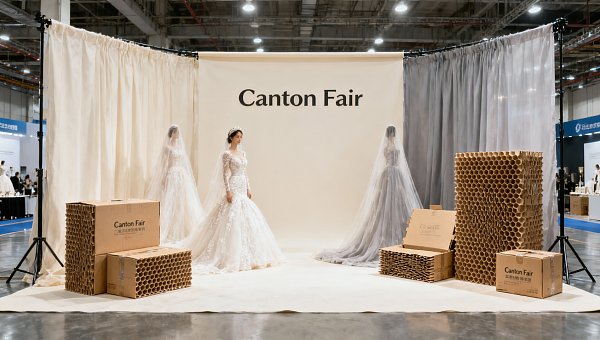
 Eco PackagingCanton Fair Wedding Photo Props Zone Sees 37% YoY GrowthWedding photo props at Canton Fair surge 37% YoY—biodegradable packaging & magnetic modular backdrops lead global demand. Discover key trends now!Packaging Supply ExpertApr 24, 2026
 Export UpdatesChina Customs Launches Beta 'Wedding Photo Props Export Compliance Self-Check Platform'Wedding photo props exporters: Use China Customs’ new beta Self-Check Platform for real-time export compliance guidance on HS codes like 9405.40, 4202.92 & 6307.90 — avoid delays in US, EU, ASEAN & Middle East markets.Apr 24, 2026
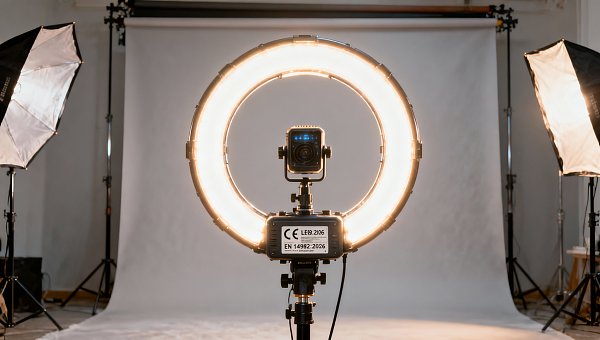
 Commercial LEDEN 14982:2026 Effective: LED Softlight Devices for Wedding Photography Must Pass Enhanced EMC Immunity TestsLED softlight devices for wedding photography must now pass enhanced EMC immunity tests per EN 14982:2026 — ensure CE compliance before EU market entry!Commercial Tech EditorApr 24, 2026
 Carton & PlasticsUS CPSC Recalls 7 Chinese Wedding Backdrop Makers for FormaldehydeUS CPSC recalls 7 Chinese wedding backdrop makers for formaldehyde—critical alert for婚纱摄影 exporters, MDF suppliers & US importers. Act now to avoid detention & liability.Packaging Supply ExpertApr 24, 2026