Industry News
Curation by industry experts
Hot Articles
Popular Tags
Are recessed light fixtures worth it in low-ceiling rooms?
In low-ceiling rooms, every inch matters—and the right lighting can make a surprisingly big difference. Many homeowners consider light fixtures recessed into the ceiling for a cleaner look, better headroom, and a brighter, more open feel. But are they truly worth the cost and installation effort? Before you decide, it’s important to weigh design benefits, lighting performance, and practical limitations.
Why recessed light fixtures attract homeowners in low-ceiling rooms
For rooms with ceilings around 7.5 to 8 feet, surface-mounted fixtures can feel visually heavy or physically intrusive. That is why light fixtures recessed into the ceiling are often considered first for basements, hallways, small bedrooms, laundry rooms, and compact living areas. They remove the hanging profile, preserve sightlines, and create a flatter ceiling plane that can make a room feel less compressed.
The appeal is not only aesthetic. Recessed lighting can improve circulation in tight spaces where swinging doors, bunk beds, loft storage, or tall wardrobes already compete for vertical clearance. In practical terms, gaining even 4 to 8 inches of visual headroom can change how comfortable a small room feels day to day.
From a sourcing and product-selection perspective, homeowners today face a wider market than they did 5 to 10 years ago. Slim LED wafer lights, integrated downlights, and airtight retrofit kits have lowered the barrier to installation in many remodel projects. This matters because older recessed housings often required more plenum depth, while many newer options need only about 0.5 to 2 inches of ceiling cavity, depending on the product design.
For consumers comparing products online, the real question is not whether recessed lights look modern. It is whether they deliver enough illumination, comfort, and installation value to justify the spend in a specific room. That decision becomes clearer when you compare low-ceiling needs against beam spread, insulation conditions, dimming compatibility, and maintenance access.
What homeowners usually expect from recessed lighting
- A cleaner ceiling line that reduces visual clutter in rooms under 8 feet high.
- More usable headroom near beds, sofas, stair landings, or storage walls.
- Better ambient lighting distribution through 4 to 8 evenly spaced fixtures instead of one central ceiling lamp.
- A flexible foundation for dimming, task lighting, and layered room design.
Are recessed lights actually worth it? The answer depends on room function
Light fixtures recessed into the ceiling are usually worth it when the room serves more than one purpose and ceiling clearance is limited. In a hallway, mudroom, or laundry area, the value often comes from simplicity and unobstructed movement. In a bedroom or living room, the calculation is broader: homeowners need sufficient brightness, a warm and comfortable color temperature, and a layout that avoids glare when seated or lying down.
A low ceiling does not automatically mean recessed lights are the best choice. In some spaces, a flush mount or semi-flush fixture with wide diffusion may provide softer general light with fewer units. Recessed fixtures become more compelling when you need controlled distribution, zoning, or multiple light points across a room measuring roughly 100 to 250 square feet.
Function also changes the recommended lumen target. For example, a hallway may work well with modest ambient light, while a kitchen or home office needs stronger task support. Consumers often focus on fixture count first, but output matters more. Many modern 4-inch to 6-inch LED recessed options deliver roughly 600 to 1,200 lumens each, which can quickly add up if the spacing plan is realistic.
This is where a sourcing-oriented review becomes useful. Global Supply Review follows lighting and display supply trends closely, helping buyers and homeowners understand not just product styling, but also manufacturing differences, installation formats, component consistency, and long-term replacement considerations. That broader lens is especially helpful when a low-ceiling project needs both visual improvement and dependable performance.
Best-fit low-ceiling scenarios
The table shows that recessed fixtures are most valuable when low height and clean circulation are primary concerns. They are less compelling if the room mainly needs decorative presence or if the ceiling cavity is too constrained for safe, code-compliant installation.
Comparison analysis: recessed fixtures versus flush mounts and track lighting
Consumers often compare light fixtures recessed into ceilings with flush mounts because both suit lower rooms. The difference is not simply style. Recessed lights distribute illumination from multiple points, while a flush fixture usually concentrates output in one central location. That makes flush mounts easier and often cheaper, but less precise for layered lighting.
Track lighting adds directional flexibility, yet it can visually lower the ceiling because the rail and heads project downward. In rooms under 8 feet, that tradeoff is noticeable. Recessed units usually win on visual openness, but track lights can outperform them where art walls, shelves, or angled task zones need aiming.
Maintenance is another key variable. Integrated LED recessed lights may have long rated lifespans, often described in ranges such as 25,000 to 50,000 hours, but replacement can mean changing the full unit rather than a simple bulb. Flush fixtures with replaceable lamps may offer lower long-term replacement cost, depending on design and access.
Budget-conscious homeowners should compare not just unit price, but full project scope: fixture count, wiring work, dimmer upgrades, ceiling cutting, patching, and labor. In new construction, recessed lights are easier to plan. In retrofit projects, labor can be the deciding factor, especially if joists, insulation, or ductwork create routing constraints.
Side-by-side decision table
If you are comparing low-ceiling options, this table helps frame the tradeoffs beyond appearance alone.
For many low-ceiling rooms, recessed lighting is worth the premium when openness and multi-point illumination are top priorities. If installation access is poor or the room is very small, a high-quality flush or ultra-thin surface option may be the smarter buy.
Technical performance: what to check before buying recessed fixtures
Not all light fixtures recessed into ceilings perform the same. Before buying, homeowners should review at least 5 core factors: housing depth, lumen output, beam angle, color temperature, and dimmer compatibility. These specifications influence comfort more than the trim color or shape.
In low ceilings, wider beam distribution is often desirable for ambient lighting because it reduces spotlight effects. A warm white range around 2700K to 3000K usually suits bedrooms and living rooms, while 3000K to 4000K may work better in kitchens, bathrooms, and utility areas where visibility matters more. Excessively cool light can make compact rooms feel harsher rather than brighter.
Ceiling construction matters just as much as optical performance. If the fixture will be installed near insulation, look for products rated for insulation contact where appropriate. In air-sealed building envelopes, airtight designs can help reduce unwanted air leakage. Wet-rated or damp-rated versions may be needed for showers, basements, or humid utility spaces.
For retrofit work, fixture profile can be decisive. Some wafer-style units fit where traditional can housings do not. However, homeowners should still confirm junction box placement, circuit capacity, and local electrical requirements. A thin fixture is not a substitute for proper installation planning.
Practical specification checklist
Recommended checks for typical residential projects
- Choose fixture size based on room scale: 4-inch units often suit tighter rooms, while 5-inch or 6-inch units can deliver broader general lighting.
- Verify lumen range per fixture, commonly about 600 to 1,200 lumens for standard residential LED downlights.
- Check color rendering and dimming behavior if the room is used for reading, grooming, cooking, or media viewing.
- Confirm whether the product is dry-rated, damp-rated, or wet-rated based on room exposure.
- Review whether replacement means changing a lamp, a trim module, or the full integrated fixture.
These checks reduce a common purchasing mistake: choosing recessed lights only for their appearance. In many returns and remodel corrections, the problem is not the concept of recessed lighting, but the mismatch between room use and fixture specification.
Cost, installation effort, and alternatives for budget-sensitive buyers
Cost is the main reason some homeowners hesitate. The value of light fixtures recessed into a low ceiling depends on whether the project is new construction, a light remodel, or a finished-room retrofit. In new builds, layout and wiring are planned before drywall, so recessed solutions often fit naturally into the budget. In finished rooms, labor time can expand quickly if access is limited.
Installation complexity usually falls into 3 broad tiers. First is simple retrofit replacement where power is already available and the ceiling cavity is clear. Second is moderate retrofit work requiring new cutouts, dimmer matching, and minor rerouting. Third is constrained installation involving framing obstacles, insulation issues, or finishing repairs. The farther the project moves into the third tier, the more homeowners should compare alternatives.
A strong alternative is the ultra-thin surface downlight, which offers a similar visual effect with less cavity demand. Another option is a low-profile flush fixture with a diffuse lens, especially for rooms under about 100 square feet. These products may not fully replicate the clean plane of recessed lights, but they can deliver 70% to 90% of the visual simplicity at a lower installation burden in some cases.
From a supply-chain view, product availability also affects value. Standardized recessed LED formats are more widely stocked than many decorative low-profile fixtures, which can simplify replacement planning and shorten procurement cycles. For consumers working with contractors, that can mean fewer delays when schedules are tight.
How to decide if the added cost is justified
- Measure the ceiling height and estimate how much visual or physical clearance matters in daily use.
- Count the lighting zones you actually need: ambient, task, accent, or night lighting.
- Ask whether the ceiling cavity can accept the chosen fixture without major reconstruction.
- Compare full installed cost against flush and slim surface alternatives, not just fixture sticker price.
- Consider maintenance over the next 3 to 7 years, especially if multiple fixtures are used.
Common mistakes, FAQs, and what smart buyers should ask before ordering
Many buyers assume more recessed fixtures always mean better light. In reality, too many units can create glare, wasted energy, and a ceiling that feels over-punctured. Spacing, output, and beam pattern should work together. In a low-ceiling room, balanced distribution usually matters more than maximum fixture count.
Another mistake is ignoring fixture edge conditions. A low-ceiling room may also have insulation, moisture, concrete above, or structural members that limit placement. This is why consumers benefit from guidance that connects lighting performance with real-world build conditions, not just catalog images. That kind of informed comparison is where a review-led platform such as Global Supply Review adds value across the lighting and displays segment.
Below are the questions that tend to shape a better buying decision. They reflect practical search intent, installation risk, and product-fit concerns that come up repeatedly in residential lighting projects.
Do recessed lights make a low ceiling look higher?
Usually, yes. Because the fixture body does not project downward, the ceiling line appears flatter and less crowded. The effect is strongest in rooms with simple finishes, lighter paint colors, and 4 to 8 evenly distributed fixtures rather than one dominant central light.
How many recessed lights do I need in a small room?
That depends on room size, ceiling height, and target brightness. A compact bedroom or office may use 4 fixtures, while a basement living area may need 6 to 8 for balanced coverage. Lumen totals and layout matter more than a fixed rule. Over-lighting is a common and expensive error.
Are wafer lights better than can lights for low ceilings?
In many retrofit situations, yes. Wafer-style lights often fit shallow ceiling spaces where traditional recessed housings are difficult to install. But “better” depends on beam quality, serviceability, and code suitability. Shallow profile alone should not decide the purchase.
What should I ask a supplier or contractor before buying?
Ask about 5 things: required ceiling depth, lumen output, dimmer compatibility, wet or damp rating if relevant, and what replacement will look like after several years. Also ask whether the proposed layout is based on room function or just fixture symmetry. The best plan is not always the most visually even on paper.
Why consult Global Supply Review before choosing recessed lighting solutions
When homeowners compare light fixtures recessed into low ceilings, they are really making a broader decision about product reliability, installation practicality, and long-term value. Global Supply Review helps bridge that gap by bringing together lighting market knowledge, sourcing insight, and product-category analysis that goes beyond surface-level design advice.
Our strength lies in connecting everyday buying questions with supply-side realities. That includes understanding common residential fixture formats, comparing low-profile lighting options, reviewing specification language that can confuse consumers, and identifying where a product’s visual promise may not match the installation environment. This is especially useful when buyers need to compare multiple vendors or want clearer guidance before requesting quotes.
If you are deciding whether recessed lighting is worth it in a low-ceiling room, we can help you review practical points such as fixture type, output range, room suitability, replacement format, estimated procurement lead time, and alternative solutions for shallow ceilings. That gives you a more confident basis for moving from browsing to purchase.
Contact Global Supply Review to discuss parameter confirmation, product selection, ceiling-depth constraints, typical delivery timelines, sample support, certification-related questions, and quote communication for your lighting project. Whether you are comparing recessed downlights, wafer fixtures, or low-profile alternatives, a more informed sourcing conversation can save both installation cost and decision time.
Recommended News
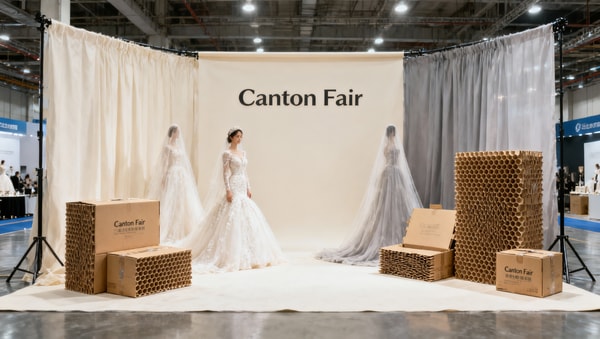
 Eco PackagingCanton Fair Wedding Photo Props Zone Sees 37% YoY GrowthWedding photo props at Canton Fair surge 37% YoY—biodegradable packaging & magnetic modular backdrops lead global demand. Discover key trends now!Packaging Supply ExpertApr 24, 2026
 Export UpdatesChina Customs Launches Beta 'Wedding Photo Props Export Compliance Self-Check Platform'Wedding photo props exporters: Use China Customs’ new beta Self-Check Platform for real-time export compliance guidance on HS codes like 9405.40, 4202.92 & 6307.90 — avoid delays in US, EU, ASEAN & Middle East markets.Apr 24, 2026
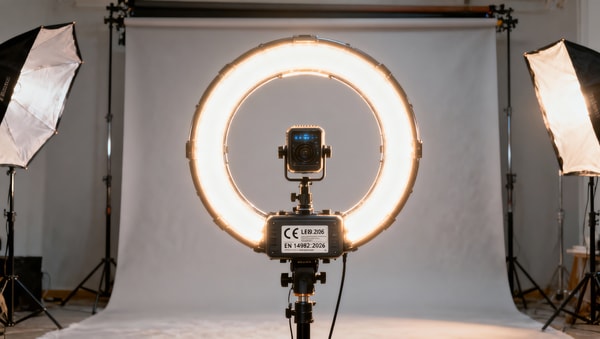
 Commercial LEDEN 14982:2026 Effective: LED Softlight Devices for Wedding Photography Must Pass Enhanced EMC Immunity TestsLED softlight devices for wedding photography must now pass enhanced EMC immunity tests per EN 14982:2026 — ensure CE compliance before EU market entry!Commercial Tech EditorApr 24, 2026
 Carton & PlasticsUS CPSC Recalls 7 Chinese Wedding Backdrop Makers for FormaldehydeUS CPSC recalls 7 Chinese wedding backdrop makers for formaldehyde—critical alert for婚纱摄影 exporters, MDF suppliers & US importers. Act now to avoid detention & liability.Packaging Supply ExpertApr 24, 2026