Industry News
Curation by industry experts
Hot Articles
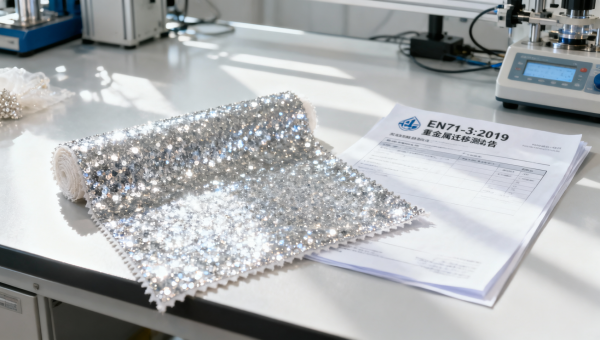
- Industry NewsUS CPSC Updates Safety Guidelines for Wedding Prop Fabrics: Glitter Coatings Must Pass EN71-3 Migration Test
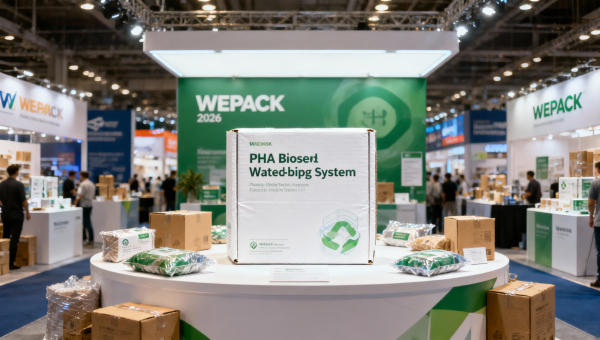
- Industry NewsWEPACK 2026 Shenzhen Show Highlights PHA-Based Barrier System for Global Markets
- Industry NewsRed Sea Crisis Escalates: Dubai Port Imposes High-Risk Surcharge on Packaging Goods
Popular Tags
How Waterproof Should Outdoor Lighting Be for Coastal Areas
For coastal projects, choosing outdoor lighting waterproof solutions is not just about rain resistance—it is about surviving salt spray, humidity, and wind-driven storms. Whether you source outdoor lighting LED, outdoor lighting solar powered, or outdoor lighting motion sensor products, understanding the right protection level is essential for performance, safety, and long-term procurement value.
For procurement teams, distributors, and project evaluators, coastal lighting selection is rarely a simple “IP65 or not” decision. Marine environments accelerate corrosion, degrade seals, and expose fixtures to repeated wet-dry cycles that can shorten service life far earlier than the rated operating hours of the LED module itself.
In practice, the right specification depends on installation distance from the shoreline, mounting height, wind exposure, maintenance access, and whether the product is used in residential walkways, hospitality landscapes, ports, boardwalks, or commercial facades. A coastal project that lasts 5–8 years with stable performance usually starts with the correct enclosure, material, and testing assumptions at the sourcing stage.
This guide explains how waterproof outdoor lighting should be for coastal areas, what IP ratings actually mean, where buyers often overspecify or underspecify, and how to evaluate outdoor lighting suppliers for durability, safety, and total procurement cost.
Why Coastal Areas Need More Than Basic Waterproof Outdoor Lighting
Outdoor lighting in inland locations typically faces rain, dust, and occasional temperature variation. Coastal lighting faces a more aggressive mix: airborne salt, persistent humidity above 70% in many seasons, UV exposure, and wind-driven moisture that reaches cable entries, fasteners, lens edges, and driver compartments. That is why a fixture that performs acceptably in a city park may fail early on a seafront promenade.
The first misunderstanding is to treat waterproofing as the only protective measure. In coastal zones, ingress protection matters, but so do housing materials, gasket stability, powder coating quality, stainless fastener grade, and ventilation design. A high IP rating does not automatically prevent corrosion if the body uses low-grade aluminum, poor surface treatment, or mixed-metal hardware.
A second procurement risk is relying only on lab claims without aligning them to the actual project zone. For example, fixtures installed within 100–500 meters of the sea often face materially different exposure from those mounted 2–5 kilometers inland. Projects directly on piers, marinas, or beachfront railings need a stronger specification than decorative garden lights placed behind buildings with partial wind shielding.
For sourcing decisions, buyers should evaluate coastal outdoor lighting across at least 4 dimensions: ingress protection, corrosion resistance, electrical safety, and maintenance burden. A lower purchase price can become expensive if replacement cycles shrink from 7 years to 2–3 years because of driver failure, rusted brackets, or water penetration at connection points.
Key stress factors in marine and near-shore installations
- Salt spray can settle on lens surfaces and metal joints daily, especially in windy locations.
- Humidity and condensation can form inside enclosures when temperature swings occur between day and night.
- Wind-driven rain can hit fixtures from non-vertical angles, testing seals more aggressively than normal rainfall.
- UV exposure can harden or degrade low-quality silicone seals over 12–24 months.
- Maintenance access may be limited on poles, facades, docks, or landscaped hospitality sites, increasing the cost of each service visit.
The table below shows how environmental severity changes procurement requirements for common coastal applications.
The main takeaway is that “coastal” is not one uniform condition. Buyers should map the site into exposure zones and specify each fixture family accordingly. This reduces overspending on low-risk areas while preventing under-specification in high-risk ones.
What IP Rating Is Usually Appropriate for Coastal Outdoor Lighting
In many coastal projects, IP65 is the minimum practical starting point for fixed outdoor luminaires, but it is not always sufficient. The correct choice depends on whether the fixture is sheltered, directly exposed to sea wind, or installed in locations where temporary pooling, pressure washing, or splash contact may occur. For many open-area coastal applications, buyers often shortlist IP66 products because they provide stronger protection against powerful water jets and wind-driven rain.
IP67 may be justified for low-level bollards, in-ground fixtures, marina edge lighting, and products exposed to periodic standing water or splash events. However, selecting IP67 for every item in a project is not always the best value decision. Higher sealing can increase cost and, if thermal design is weak, may affect internal temperature management. Procurement should balance protection level with heat dissipation, serviceability, and realistic site conditions.
For outdoor lighting solar powered products, IP66 is often preferable because the integrated battery, controller, and panel connections create more potential ingress points than a simple AC-powered fixture. For outdoor lighting motion sensor units, the sensor window, adjustment area, and wiring cavity must also be checked carefully because these are common weak points in low-cost designs.
It is also important to distinguish fixture IP rating from system waterproof performance. A luminaire may be rated IP66, yet the overall installation can fail because the junction box is lower grade, the cable gland is not sealed, or the installer leaves an exposed connector. On coastal projects, the lowest-protection component often determines the real performance of the system.
How to interpret IP ratings in procurement terms
The table below translates common IP levels into practical sourcing guidance for coastal outdoor lighting LED projects.
For most B2B buyers, the practical rule is simple: use IP65 for lower-risk sheltered coastal areas, IP66 for open exposure, and IP67 where splash, flooding, or low-level placement increases risk. But always verify that the driver housing, cable entry, and external connectors match the same protection level.
A useful 5-point rating check before purchase
- Confirm whether the stated IP level applies to the complete assembled fixture, not only the housing.
- Ask if the rating remains valid after field wiring, dimming cable entry, or sensor integration.
- Check whether the test sample matches the final mass-production version.
- Review operating temperature range, commonly from -20°C to 45°C or wider for project-grade products.
- Verify whether installation instructions specify torque settings and sealing requirements for glands and covers.
Waterproofing Alone Is Not Enough: Materials, Coatings, and Structural Design
Even when the IP level is correct, coastal fixture life depends heavily on material selection. Powder-coated die-cast aluminum is common, but the coating process quality matters as much as the base metal. In exposed marine environments, poor pretreatment or thin coating layers can lead to blistering, pitting, or edge corrosion within 12–36 months. Stainless steel hardware should also be matched appropriately, because mixed-metal combinations can accelerate galvanic issues.
Lens materials and gaskets deserve equal attention. Tempered glass generally resists UV better than low-grade plastics, while silicone gaskets usually outperform cheaper rubbers in heat and UV stability. If the seal hardens over time, the fixture may still test well when new but fail after repeated thermal cycling. For projects with a 3-year, 5-year, or longer maintenance plan, these details directly affect replacement rates.
Structural design also influences moisture resistance. A well-designed outdoor lighting LED fixture uses controlled pressure equalization, robust cable glands, separated driver chambers where needed, and drainage-aware mechanical geometry. Without these, condensation can accumulate internally even when external water ingress appears controlled. This is especially relevant in climates where daytime heat and cooler nights create frequent internal dew formation.
Procurement teams should therefore request more than a catalog page. Ask for housing material details, coating method, screw material, gasket type, and whether the product has been evaluated for salt-laden conditions. For distributors, these details improve after-sales predictability and reduce disputes caused by “rated waterproof but rusted too early” complaints.
Critical construction elements to review
- Housing: corrosion-resistant aluminum alloy or suitable non-metal alternative for the application.
- Fasteners: stainless steel with consistent grade across bracket, cover, and external mounting points.
- Coating: multi-stage pretreatment and outdoor-grade finish rather than decorative indoor coating.
- Seal: UV-stable silicone gasket with reliable compression retention over time.
- Cable entry: sealed gland or connector rated to the same or higher level as the fixture body.
The following matrix helps buyers compare coastal durability factors beyond the advertised waterproof rating.
The conclusion here is clear: a coastal luminaire should be evaluated as a full mechanical and electrical package. Waterproof claims must be reinforced by durable materials and stable assembly design, otherwise maintenance frequency rises quickly after the first 18–24 months of exposure.
How Buyers Should Specify Coastal Lighting for Different Product Types
Not all outdoor fixtures face the same risks. Wall lights, floodlights, bollards, solar units, and motion sensor products each have different sealing challenges. A strong specification starts by separating product families instead of issuing one generic waterproof requirement across the entire bill of materials. This helps procurement control both cost and failure risk.
For outdoor lighting LED floodlights and facade lights, the bracket, aiming mechanism, and driver compartment require close review. These products are often mounted 3–12 meters high, which makes future maintenance expensive. A lower-cost unit with acceptable photometric performance may still be a poor investment if water reaches the driver after 2 rainy seasons or if bracket corrosion complicates re-aiming.
For outdoor lighting solar powered fixtures, buyers should examine panel sealing, battery compartment protection, controller reliability, and autonomy under cloudy coastal conditions. In many projects, a 2–3 night backup target is more realistic than a one-night design if weather variability is high. Salt exposure around panel frames and mounting hardware can also weaken performance over time if components are not properly protected.
For outdoor lighting motion sensor units, the sensor lens and electronics need stable protection without false triggering caused by moisture, corrosion, or poor housing design. In residential compounds, service roads, and loading zones, this category is popular because it can reduce unnecessary runtime. But the product must be tested for coastal stability, not just indoor-to-outdoor conversion.
Recommended specification approach by product family
The table below provides a practical reference for project teams and distributors evaluating multiple outdoor lighting categories.
This comparison shows why buyers should not purchase coastal lighting only by wattage and unit price. The right specification reflects placement height, exposure, and service access. In many B2B projects, spending moderately more on the correct housing and connection design reduces replacement labor and warranty handling significantly over a 24–60 month operating period.
A practical 6-item RFQ checklist
- Define installation zone: beachfront, marina, facade, landscape, or sheltered courtyard.
- Specify required IP range by product type rather than one blanket rating.
- Request housing, coating, gasket, and fastener details in writing.
- Confirm driver placement, cable entry sealing, and connector configuration.
- Align warranty terms with coastal use, especially for solar and sensor products.
- Ask for maintenance guidance, spare part availability, and recommended cleaning interval such as every 3–6 months in high-salt zones.
Common Buying Mistakes, Maintenance Planning, and Long-Term Value
One of the most common mistakes in coastal lighting procurement is assuming that a higher IP number solves every durability issue. In reality, many early failures come from corrosion at brackets, cable terminations, and external screws rather than dramatic water intrusion into the optical chamber. Another common mistake is mixing project-grade luminaires with low-grade accessories such as junction boxes, mounting arms, and connectors.
Maintenance planning is equally important. In harsh marine areas, visual inspection every 3 months and cleaning every 3–6 months can materially improve fixture life. Salt deposits on the housing and lens do not only affect appearance; over time they can stress coatings, reduce output, and create localized failure points. Buyers responsible for commercial properties or distribution contracts should build this maintenance rhythm into the total cost model.
Another issue is unrealistic warranty interpretation. A 3-year or 5-year warranty may cover manufacturing defects, but field conditions still matter. Procurement teams should confirm whether the supplier considers direct coastal exposure in the standard warranty scope and whether installation errors, unsealed wiring, or unsuitable cleaning chemicals could void support. This is particularly relevant for distributors and agents managing downstream client expectations.
From a commercial perspective, the best coastal outdoor lighting decision is usually the one that delivers stable operation, predictable maintenance, and fewer replacement cycles—not simply the lowest initial quotation. For many hospitality, municipal, and waterfront retail projects, the savings from avoided rework, lift access, and service disruption can outweigh a 10%–20% higher initial fixture cost.
Typical mistakes to avoid
- Choosing IP54 or decorative-grade products for open seafront use.
- Ignoring coating and fastener specifications while focusing only on lumen output.
- Using sealed luminaires with poorly protected junction boxes or field splices.
- Skipping cleaning and inspection in high-salt environments for 12 months or longer.
- Applying the same fixture specification to sheltered gardens and marina edges.
FAQ for coastal outdoor lighting sourcing
Is IP65 enough for all coastal outdoor lighting?
No. IP65 can be acceptable for sheltered coastal facades or landscaped areas with moderate exposure, but open beachfront, dockside, or low-mounted installations often need IP66 or IP67. The site condition is more important than the word “coastal” alone.
How often should coastal luminaires be cleaned?
A common project practice is inspection every 3 months and cleaning every 3–6 months, depending on salt accumulation and storm frequency. High-exposure marina or beachfront zones may require shorter intervals, especially where visual presentation matters.
Are solar lights suitable for coastal projects?
Yes, if the design is truly outdoor-grade and the battery compartment, panel frame, and controller housing are well protected. Buyers should target robust sealing and realistic autonomy, often 2–3 nights for variable coastal weather conditions.
What matters most besides waterproof rating?
Material quality, coating durability, fastener grade, cable sealing, and maintenance access are all critical. A fixture with excellent ingress protection but weak corrosion resistance may still fail early in a marine environment.
For coastal areas, outdoor lighting should usually start at IP65, move to IP66 for most exposed applications, and reach IP67 where low-level splash or temporary water contact is realistic. Yet the most reliable procurement outcome comes from evaluating the full fixture system: enclosure, materials, seals, connectors, installation method, and maintenance plan.
For sourcing managers, distributors, and commercial evaluators, this approach improves lifecycle value, reduces service risk, and supports more credible project recommendations. If you are comparing outdoor lighting LED, outdoor lighting solar powered, or outdoor lighting motion sensor solutions for coastal use, now is the right time to review your specification in detail.
Global Supply Review supports buyers and supply-side partners with practical market intelligence for lighting and display sourcing decisions. To discuss suitable coastal lighting specifications, compare product categories, or refine your procurement shortlist, contact us today for tailored guidance and more solution-focused insights.
Recommended News
 Industry NewsUS CPSC Updates Safety Guidelines for Wedding Prop Fabrics: Glitter Coatings Must Pass EN71-3 Migration TestUS CPSC now requires EN71-3 migration testing for glitter coatings on wedding props & cosmetic packaging. Exporters must comply to avoid customs delays. Learn key action steps for 2026 regulations.Apr 21, 2026
 Industry NewsWEPACK 2026 Shenzhen Show Highlights PHA-Based Barrier System for Global MarketsDiscover BoCarbon's PHA-based barrier system at WEPACK 2026 Shenzhen, a game-changing sustainable packaging solution with FDA/EFSA certification. Learn how global brands like KHS and Indofood are adopting this plastic alternative for paper-based packaging.Apr 21, 2026
 Industry NewsRed Sea Crisis Escalates: Dubai Port Imposes High-Risk Surcharge on Packaging GoodsDubai's new High-Risk Surcharge on packaging goods via Red Sea routes ($850-$1,420/container) plus 18% Suez toll hike forces businesses to rethink logistics strategies. Learn cost impacts & mitigation tactics.Apr 21, 2026
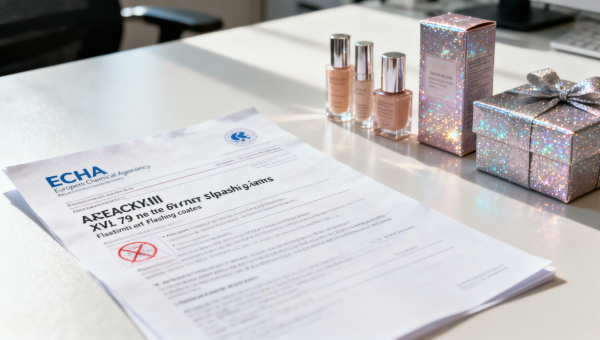
 Industry NewsEU REACH Annex XVII Adds Glitter Coating Restrictions, Requiring SVHC Declarations for Chinese Exporters from July 2026EU REACH Annex XVII now restricts glitter coatings in packaging, requiring SVHC declarations from Chinese exporters by July 2026. Learn how this impacts packaging, cosmetics & luxury goods sectors and key compliance steps to avoid trade disruptions.Apr 21, 2026