Industry News
Curation by industry experts
Hot Articles
Popular Tags
How to Avoid Failure in LED Lights for Outdoor Use
Choosing LED lights for outdoor use is not just about brightness—it is about preventing early failure in demanding environments. For procurement teams, distributors, and buyers comparing smart lighting controls, patio umbrellas with LED lights, or evaluating a stage lighting equipment supplier, understanding moisture protection, heat management, material quality, and power stability is essential to reducing maintenance costs and securing long-term performance.
In outdoor lighting procurement, early failure rarely comes from a single cause. More often, it results from a chain of avoidable weaknesses: an enclosure with the wrong IP rating, poor thermal design, unstable drivers, low-grade seals, or installation conditions that exceed product limits. For B2B buyers, this means replacement costs, warranty disputes, service delays, and reputational risk across projects.
The most reliable way to avoid failure in LED lights for outdoor use is to evaluate the full system rather than the fixture alone. Housing materials, optical design, surge protection, cable entry, mounting orientation, control compatibility, and maintenance access all influence long-term field performance. The sections below outline the critical risk points and practical selection criteria for commercial and distribution decisions.
Understand the Main Failure Modes Before You Buy
Outdoor LED lighting operates under far more stress than indoor fixtures. Rain, UV exposure, dust, salt air, thermal cycling, and voltage fluctuation can shorten lifespan long before the LED chip itself reaches its rated hours. A product labeled for 50,000 hours on paper may fail much earlier if the driver overheats, the gasket hardens, or condensation builds inside the housing within 12 to 24 months.
For sourcing teams, the first step is to separate lumen maintenance from full-system durability. LEDs may still emit light while the fixture becomes commercially unusable due to flicker, color shift, water ingress, connector corrosion, or control failure. In many outdoor applications, the driver and sealing system fail earlier than the diode package, especially in regions with daily temperature swings above 15°C to 20°C.
Why failures happen in real projects
Common field failures include moisture entering through cable glands, thermal stress from enclosed mounting positions, cheap powder coatings that crack after 1 to 2 rainy seasons, and weak surge immunity in areas with unstable grids. These issues are especially relevant for architectural facades, garden lighting, parking lots, signage, and patio umbrellas with LED lights, where exposure conditions differ significantly from laboratory assumptions.
Another overlooked issue is application mismatch. A luminaire designed for mild residential use may be pushed into hospitality, retail frontage, event staging, or coastal installations. Buyers reviewing a stage lighting equipment supplier, for example, should check not only brightness and beam control, but also repeated transport resistance, connector sealing, and protection against condensation after temperature shock.
Typical warning signs during sample evaluation
- Visible fogging inside the lens after 24 to 72 hours of humidity or spray exposure.
- Driver compartment temperatures exceeding 75°C to 85°C during continuous operation.
- Uneven sealing pressure around the lens frame or inconsistent gasket compression.
- Paint bubbling, corrosion spots, or fastener discoloration after accelerated salt or moisture exposure.
- Noticeable flicker, delayed startup, or dimming instability when paired with control systems.
The table below helps buyers connect common outdoor LED failures with likely root causes and practical prevention actions before mass purchase or distribution rollout.
The key lesson is simple: do not evaluate outdoor LED lights by lumen output alone. A lower-maintenance fixture often wins total cost performance when it combines correct ingress protection, stable electronics, and materials matched to the actual site environment.
Match IP Rating, Materials, and Structure to the Outdoor Environment
Selecting the correct protection level is one of the most effective ways to avoid failure in LED lights for outdoor use. However, IP rating should not be treated as a marketing shortcut. IP65 may be acceptable for wall washers under eaves or vertical facade use, while exposed landscape uplights, fountain-adjacent fixtures, and transportable event luminaires may require IP66 or IP67 depending on splash direction, pressure exposure, and installation angle.
Material choice matters just as much as sealing. Die-cast aluminum is common for outdoor housings, but alloy quality, coating thickness, and machining precision influence corrosion resistance and gasket performance. In coastal or high-humidity zones, stainless hardware and stable silicone seals can reduce long-term failure risk compared with mixed metals and lower-cost rubber compounds that harden after repeated heat and UV exposure.
How structure affects durability
A well-designed outdoor fixture manages both exclusion and drainage. Completely trapping moisture is difficult in real use, so good products control vapor paths, reduce pressure imbalance, and prevent water from staying in contact with sensitive electronics. Buyers should inspect lens bonding, vent design, cable entry routing, and whether the driver chamber is separated from the optical chamber in higher-power units above 50W or 80W.
Mounting orientation also changes risk. A fixture rated IP66 in a standard test may still fail early if installed upward in a position that pools water around seals. This is common in decorative ground lights, garden spots, and pole-mounted accent fixtures. Procurement specifications should therefore state not only the IP requirement, but also the intended installation position and expected ambient range, such as -20°C to 45°C.
Recommended fit by application
The following comparison helps distributors and project buyers align ingress protection and material selection with practical outdoor lighting scenarios.
For procurement teams, the practical takeaway is to write application-specific requirements into RFQs. A generic request for “outdoor LED light” is not enough. Ask suppliers to confirm IP level, housing material, lens type, fastener material, gasket composition, and recommended mounting direction for each project category.
- Request photos or drawings of sealing points, not only front-view product images.
- Check whether screws, brackets, and glands match the corrosion level of the housing.
- Confirm that the fixture can maintain protection after routine servicing or driver replacement.
Control Heat, Drivers, and Power Quality to Extend Service Life
Heat is one of the fastest ways to shorten outdoor LED life. Even when an LED module is efficient, the fixture can still fail if heat is trapped inside a compact enclosure or mounted in a location with little airflow. In many outdoor systems, every 10°C rise in driver operating temperature can materially reduce component life, especially electrolytic capacitors and lower-grade power devices.
This is why buyers should review thermal design at both product and project level. High-power floodlights, area lights, and architectural wash luminaires above 100W need sufficient fin area, conductive pathways, and driver placement that limits heat soak. Decorative fixtures for patio umbrellas with LED lights or compact hospitality products also need attention, because small housings can overheat quickly in direct sun even at lower wattage such as 12W to 30W.
Driver quality is a procurement issue, not only an engineering issue
Outdoor LED failure often starts in the driver. Voltage spikes, unstable mains, poor dimming compatibility, and low surge resistance can lead to intermittent outages and batch returns. In regions with frequent storms or industrial loads, surge protection in the range of 4kV to 10kV may be a practical minimum depending on application type, while major roadway or exposed infrastructure projects may require higher levels based on local specification.
Smart lighting controls add another layer of risk. If the driver is not validated for 0-10V, DALI, photocell, timer, or wireless node integration, field complaints may appear as flicker, dropout, or failed dimming curves rather than total shutdown. Buyers comparing smart lighting controls should test the full control chain under realistic conditions, including startup, low-load dimming, and recovery after power interruption.
Electrical checkpoints before approval
- Confirm input voltage range and site compatibility, such as 100-277V or other required regional range.
- Review driver ambient operating limits and temperature rise under continuous operation.
- Check surge protection level and whether extra SPD devices are needed at system level.
- Verify dimming protocol support and conduct sample testing with the intended control platform.
- Inspect cable quality, connector sealing, and grounding provisions for outdoor installation safety.
For distributors, a small increase in driver quality can produce a significant drop in return rate over 2 to 3 seasonal cycles. For project buyers, it can mean fewer maintenance visits, more predictable warranty handling, and lower disruption to commercial operations that depend on exterior lighting for safety and presentation.
Evaluate Supplier Capability Through Testing, Documentation, and Delivery Control
Avoiding failure in LED lights for outdoor use is not only about product design; it is also about supplier discipline. A reliable supplier should provide clear specifications, stable bill of materials control, and repeatable quality checks from incoming materials to final aging. This is especially important for distributors handling mixed batches and for sourcing managers comparing multiple factories on price-sensitive outdoor lighting programs.
In practical B2B purchasing, buyers should go beyond brochure claims and ask for process evidence. Useful checkpoints include aging duration, waterproof inspection methods, driver traceability, coating process consistency, and packaging protection for long-distance shipment. If a supplier cannot explain these basics in a structured way, post-installation failures may become the buyer’s problem rather than the manufacturer’s responsibility.
What to request during supplier evaluation
For standard outdoor LED programs, a 24-hour to 48-hour aging process is commonly requested before shipment, while more demanding projects may require longer validation or pre-shipment sampling. Buyers should also ask how the supplier handles gasket inspection, torque consistency on sealed assemblies, and whether critical components such as drivers and LEDs remain consistent across repeat orders.
If you are evaluating a stage lighting equipment supplier for outdoor or semi-outdoor use, add logistics and handling questions. Transport vibration, rapid setup, repeated assembly, and temporary cable exposure increase failure risk. Field-ready products need durable connectors, secure brackets, and serviceable parts that reduce downtime during events or rental cycles.
The table below provides a practical review framework for procurement, business evaluation teams, and regional distributors.
The strongest suppliers are usually the ones that can explain failure prevention in detail, not simply quote low prices. For organizations making repeat purchases over 6 to 12 months, process transparency often delivers more value than a small unit-cost reduction.
Installation, Maintenance, and FAQ for Long-Term Outdoor Performance
Even well-specified LED lights can fail early if installation and maintenance are overlooked. Outdoor cable routing, gland tightening, bracket alignment, and drainage direction all influence lifespan. For many projects, a short installation checklist can prevent the majority of avoidable field issues. This is especially important for distributors supporting local contractors who may work across different product families and protection levels.
Routine maintenance should also match the environment. In low-dust urban settings, inspection every 6 to 12 months may be sufficient. In coastal, industrial, or landscape environments with fertilizer, salt, or heavy debris, a shorter cycle of 3 to 6 months is often more practical. Cleaning lenses, checking seals, tightening brackets, and inspecting cable points can preserve both output and safety.
Basic installation controls that reduce failure
- Keep cable loops and entry points positioned to avoid direct water tracking into glands or junctions.
- Do not block heat-dissipation fins with decorative covers, insulation, or tight architectural cavities.
- Follow mounting orientation guidance, especially for uplights, floodlights, and compact sealed fixtures.
- Use compatible controls and drivers, and test dimming or switching behavior before full deployment.
FAQ
How do I choose the right IP rating for outdoor LED lights?
Start with exposure, not marketing labels. IP65 is often suitable for sheltered exterior applications, while open rain exposure and ground-level use commonly require IP66 or IP67. Also check installation angle, cable entry design, and whether the fixture faces splash, washdown, or standing water risk.
Which part usually fails first in outdoor LED fixtures?
In many practical installations, the driver, sealing points, or connectors fail before the LED package. That is why buyers should review thermal management, surge tolerance, and gasket quality, rather than focusing only on lumen output or chip brand.
Are smart lighting controls a benefit or a risk outdoors?
They can be both. Smart controls improve energy management and scheduling, but only when drivers, sensors, and communication nodes are properly matched. For outdoor systems, test startup behavior, low-end dimming, and recovery after power fluctuation before approving volume orders.
What delivery and support questions should buyers ask?
Ask about lead time, sample approval process, spare parts availability, component consistency, and failure response workflow. For many standard orders, production may range from 2 to 6 weeks depending on customization, while replacement drivers or brackets should ideally be available without waiting for a full new batch.
For procurement leaders, the main point is that failure prevention continues after the purchase order. The best outdoor LED program combines correct product selection, supplier validation, installation control, and a realistic maintenance schedule tied to environmental severity.
Build a More Reliable Outdoor Lighting Sourcing Strategy
To avoid failure in LED lights for outdoor use, buyers should treat reliability as a sourcing framework, not a single specification line. That framework includes matching IP protection to real exposure, selecting corrosion-appropriate materials, controlling thermal stress, validating drivers and controls, and checking supplier process discipline before scale-up.
For information researchers, procurement teams, business evaluators, and channel partners, this approach reduces the hidden costs that often appear after installation: emergency replacement, labor revisits, inconsistent batches, and customer dissatisfaction. It also improves product fit across applications ranging from smart exterior systems to hospitality decor and temporary event lighting.
Global Supply Review supports professional buyers with structured market insight, practical sourcing guidance, and supplier evaluation perspectives across lighting and related manufacturing sectors. If you are planning an outdoor lighting program, comparing suppliers, or refining technical purchasing criteria, now is the right time to review your specifications in detail.
Contact us to discuss your sourcing priorities, request a tailored evaluation checklist, or explore more outdoor lighting solutions designed for longer service life and lower field failure risk.
Recommended News
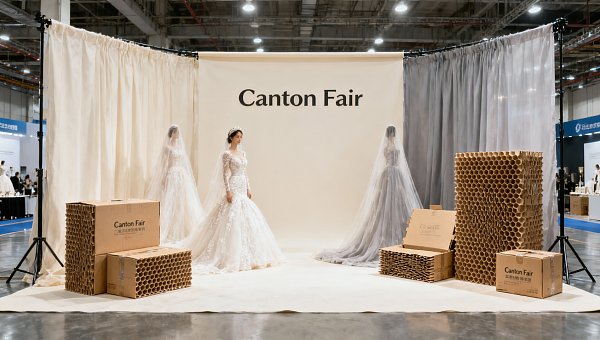
 Eco PackagingCanton Fair Wedding Photo Props Zone Sees 37% YoY GrowthWedding photo props at Canton Fair surge 37% YoY—biodegradable packaging & magnetic modular backdrops lead global demand. Discover key trends now!Packaging Supply ExpertApr 24, 2026
 Export UpdatesChina Customs Launches Beta 'Wedding Photo Props Export Compliance Self-Check Platform'Wedding photo props exporters: Use China Customs’ new beta Self-Check Platform for real-time export compliance guidance on HS codes like 9405.40, 4202.92 & 6307.90 — avoid delays in US, EU, ASEAN & Middle East markets.Apr 24, 2026
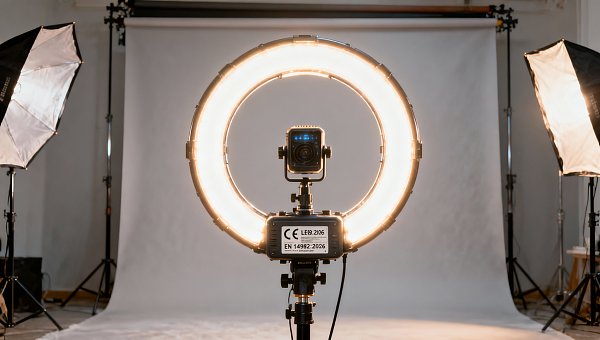
 Commercial LEDEN 14982:2026 Effective: LED Softlight Devices for Wedding Photography Must Pass Enhanced EMC Immunity TestsLED softlight devices for wedding photography must now pass enhanced EMC immunity tests per EN 14982:2026 — ensure CE compliance before EU market entry!Commercial Tech EditorApr 24, 2026
 Carton & PlasticsUS CPSC Recalls 7 Chinese Wedding Backdrop Makers for FormaldehydeUS CPSC recalls 7 Chinese wedding backdrop makers for formaldehyde—critical alert for婚纱摄影 exporters, MDF suppliers & US importers. Act now to avoid detention & liability.Packaging Supply ExpertApr 24, 2026