Industry News
Curation by industry experts
Hot Articles
Popular Tags
How to compare a led panel lights manufacturer before ordering
Choosing the right LED panel lights manufacturer is not just about finding the lowest quote. For procurement teams, distributors, and commercial buyers, the better supplier is usually the one that can consistently deliver compliant products, stable quality, scalable production, and the right technical support for your market. If you are comparing suppliers before ordering, the most important task is to verify whether they can reduce your sourcing risk while supporting your long-term business goals.
For most buyers, the real search intent behind comparing a LED panel lights manufacturer is clear: they want a practical way to screen suppliers, avoid costly mistakes, and select a manufacturing partner that is reliable beyond the sample stage. That means looking past price and focusing on factory capability, certifications, quality systems, lead times, smart lighting compatibility, and after-sales responsiveness.
What buyers really need to compare before placing an order
When buyers search for how to compare a LED panel lights manufacturer before ordering, they are usually trying to answer a business-critical question: Which supplier is safest and most valuable to work with? The concern is not only whether the factory can make LED panel lights, but whether it can make them consistently, legally, profitably, and at the quality level your market expects.
For procurement professionals, business evaluators, and distributors, the key concerns typically include:
- Whether the manufacturer is a real producer or only a trading intermediary
- Whether product quality remains stable across bulk orders
- Whether certifications match the destination market
- Whether lead times are realistic and repeatable
- Whether pricing reflects real value or hides future risk
- Whether the supplier can support OEM, ODM, or smart lighting requirements
- Whether warranty, claims handling, and technical support are dependable
This is why a useful supplier comparison should be built around evidence, not sales language. Samples, documentation, testing records, communication quality, and production transparency matter more than a polished catalog.
Start by confirming the manufacturer’s real production capability
Before comparing specifications or negotiating terms, confirm that the company has the actual capability to produce commercial LED panel lights at the required scale. Many sourcing problems begin when buyers assume a supplier is a manufacturer, while in reality it is a trading company outsourcing production.
Ask for the following:
- Factory profile and business license
- Production line information for LED panel lights
- Workshop photos or video walkthroughs
- Main equipment list, such as SMT lines, integrating sphere, aging test lines, and driver testing equipment
- Monthly output capacity by product category
- Typical lead time for sample orders and container orders
A capable LED panel lights manufacturer should be able to clearly explain how it controls core production steps such as LED source selection, driver matching, housing assembly, diffuser quality, thermal management, and final testing. If answers remain vague, inconsistent, or overly sales-driven, that is an early warning sign.
For larger buyers, it is also worth checking whether the supplier can scale production during peak periods without sacrificing consistency. A factory that performs well on a small trial order may still fail when demand increases.
Compare product quality systems, not just sample appearance
A good-looking sample does not guarantee stable batch quality. Many buyers make the mistake of choosing a supplier based on sample finish, brightness, or initial price without examining the manufacturer’s quality control process.
When assessing quality systems, focus on how the factory prevents defects, not only how it reacts to them. Ask questions such as:
- What incoming quality control checks are done on LEDs, drivers, housings, and diffusers?
- Are color consistency and lumen output tested per batch?
- How is flicker performance verified?
- What burn-in or aging tests are conducted before shipment?
- How are defect rates tracked and reported?
- What is the standard process for handling non-conforming products?
For commercial LED lighting projects, product stability matters more than showroom appeal. Poor driver quality, inconsistent color temperature, insufficient heat dissipation, and weak packaging can all lead to complaints, returns, and brand damage.
Useful documents to request include:
- QC flowchart
- Inspection reports
- Aging test records
- Product reliability test data
- Warranty policy with claim conditions
If possible, compare several suppliers using the same checklist. This makes it easier to evaluate quality maturity objectively instead of relying on impressions.
Check whether certifications and compliance really match your market
Compliance is one of the most important factors when comparing a LED panel lights manufacturer. A supplier may offer competitive pricing, but if its products do not meet your destination market’s regulatory standards, the savings disappear quickly.
Relevant certifications vary by region and application, but buyers commonly check for:
- CE
- RoHS
- UKCA
- UL or ETL
- FCC where applicable
- Energy efficiency or performance-related certifications depending on the market
Do not simply ask whether the product is certified. Ask for copies of test reports and certificates, then verify:
- Whether the certificate belongs to the supplier or another company
- Whether the model number matches the quoted product
- Whether the certification is still valid
- Whether the testing body is credible
This is especially important for distributors and importers. If a compliance issue arises after import, the commercial and legal responsibility may fall on the buyer, not the factory. A trustworthy LED panel lights manufacturer should be prepared to provide documentation quickly and accurately.
Assess technical specifications that affect real project performance
Not all LED panel lights are equal, even when product sheets look similar. Buyers should compare the technical details that affect installation performance, maintenance costs, and end-user satisfaction.
Important specification areas include:
- Luminous efficacy
- Power factor
- Color rendering index
- Unified glare rating if relevant for office or educational spaces
- Flicker performance
- Driver brand and driver lifespan
- Dimming compatibility
- Surface, recessed, or suspended installation options
- Frame material and diffuser quality
- IP rating where needed
For commercial applications, details such as low glare, dimming reliability, and driver performance often matter more than headline wattage. If your market includes offices, hospitals, schools, retail chains, or public buildings, technical fit should be part of supplier comparison from the start.
Also ask whether the manufacturer can support smart lighting integration, such as:
- DALI
- 0-10V dimming
- Triac dimming where suitable
- Emergency backup options
- Sensor compatibility
- Smart building control systems
If your projects involve intelligent commercial lighting, this area can quickly separate a basic factory from a more strategic manufacturing partner.
Compare pricing in terms of total sourcing cost, not unit price alone
One of the biggest sourcing mistakes is choosing a LED panel lights manufacturer only because its price is lower. The better comparison is total landed and operating cost.
A low quoted price may hide risks such as:
- Lower-grade drivers or LED chips
- Inconsistent assembly quality
- Higher defect rates
- Weak packaging leading to shipping damage
- Limited warranty support
- Delays that increase project costs
When comparing offers, create a cost framework that includes:
- Unit price
- Tooling or mold fees if applicable
- Packaging cost
- Sample charges
- Testing or certification costs
- Shipping terms
- Expected defect or replacement cost
- Warranty risk
For distributors and resellers, product reliability can have a direct effect on margin protection. A supplier with slightly higher upfront pricing may deliver better profit over time through fewer returns, stronger brand trust, and lower support costs.
Evaluate communication, responsiveness, and problem-solving ability
Manufacturing capability matters, but supplier management also depends heavily on communication quality. Before ordering, notice how the manufacturer handles technical questions, changes, and documentation requests.
Strong suppliers usually show the following behaviors:
- Clear answers to technical and commercial questions
- Fast and organized quotation process
- Willingness to provide drawings, reports, and compliance files
- Consistency between sales, engineering, and production responses
- Transparent discussion of limitations and lead times
Poor communication before order often becomes worse after payment. If a supplier avoids technical detail, gives constantly changing answers, or pushes for quick deposit without proper clarification, the risk is high.
This factor is especially important when comparing OEM or customized LED panel lights manufacturers. Customization requires coordination on dimensions, branding, packaging, driver options, certifications, and often installation requirements. Weak communication can cause delays, specification mismatch, and disputes.
Review customization, OEM, and market support capability
For many distributors, importers, and project suppliers, the manufacturer’s value goes beyond standard products. A strong LED panel lights manufacturer should be able to support customization that aligns with your market positioning.
This may include:
- Private label branding
- Custom packaging
- Special sizes or wattages
- Emergency function options
- Custom CCT ranges
- Market-specific driver solutions
- Retail-ready or project-ready documentation
Ask whether the supplier has handled OEM or ODM projects before and request examples. Also check whether it can provide files and support materials such as:
- Datasheets
- Installation manuals
- Photometric files
- Product labels
- Packaging artwork assistance
For channel partners, this support can directly affect sales readiness. A supplier that understands distributor needs can help accelerate listing, bidding, and after-sales service.
Use a practical supplier comparison checklist before final approval
To make an informed sourcing decision, use a structured comparison table for each LED panel lights manufacturer you evaluate. A practical checklist helps remove emotion and allows teams to compare suppliers on a common basis.
Your checklist can include the following scoring categories:
- Factory authenticity and production capacity
- Quality control system
- Certification validity
- Product performance and technical fit
- Customization ability
- Lead time reliability
- Price competitiveness
- Communication and response speed
- Warranty and after-sales support
- Overall sourcing risk
For larger or repeat orders, buyers should also consider taking these extra steps:
- Request a pilot order before full-scale purchase
- Arrange a factory audit or third-party inspection
- Test samples under real use conditions
- Verify references if available
- Confirm agreed specifications in writing before deposit
This process is especially valuable for procurement teams that need internal approval. A documented supplier comparison framework helps justify the decision and reduces downstream disputes.
Common red flags when comparing LED panel light suppliers
Some issues should trigger immediate caution during supplier evaluation. These warning signs often appear early and can save buyers from costly mistakes if taken seriously.
- Certificates cannot be verified or do not match quoted products
- Specifications are inconsistent between catalog, quote, and sample
- Very low pricing with no clear explanation
- No clear warranty terms
- Reluctance to discuss QC procedures
- Slow or evasive responses on technical points
- Unclear production location or outsourcing arrangements
- Lead times that seem unrealistically short
In B2B lighting procurement, small inconsistencies often signal larger operational weaknesses. A buyer does not need a perfect supplier, but should avoid one that creates preventable uncertainty.
Final decision: choose the manufacturer that lowers risk and supports growth
The best LED panel lights manufacturer is not automatically the cheapest, the largest, or the one with the most attractive sample. It is the supplier that can reliably meet your technical requirements, compliance needs, delivery expectations, and long-term business objectives.
Before ordering, compare manufacturers through the lens of risk control and commercial value. Confirm real factory capability, examine quality systems, verify certifications, assess technical compatibility, and judge communication quality carefully. If your business depends on repeat orders, private labeling, or project-based supply, also prioritize customization support and after-sales reliability.
In short, effective supplier comparison is about reducing uncertainty. The more evidence a manufacturer can provide around production, compliance, consistency, and service, the stronger your buying decision will be. For procurement teams, distributors, and business evaluators, that is what separates a quote supplier from a dependable LED lighting partner.
Recommended News
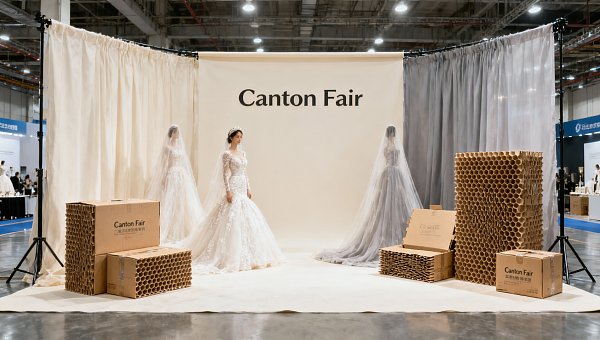
 Eco PackagingCanton Fair Wedding Photo Props Zone Sees 37% YoY GrowthWedding photo props at Canton Fair surge 37% YoY—biodegradable packaging & magnetic modular backdrops lead global demand. Discover key trends now!Packaging Supply ExpertApr 24, 2026
 Export UpdatesChina Customs Launches Beta 'Wedding Photo Props Export Compliance Self-Check Platform'Wedding photo props exporters: Use China Customs’ new beta Self-Check Platform for real-time export compliance guidance on HS codes like 9405.40, 4202.92 & 6307.90 — avoid delays in US, EU, ASEAN & Middle East markets.Apr 24, 2026
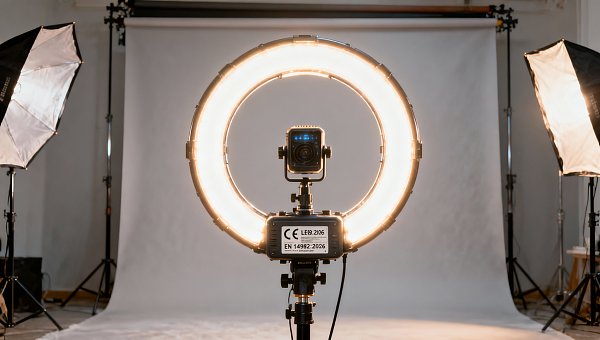
 Commercial LEDEN 14982:2026 Effective: LED Softlight Devices for Wedding Photography Must Pass Enhanced EMC Immunity TestsLED softlight devices for wedding photography must now pass enhanced EMC immunity tests per EN 14982:2026 — ensure CE compliance before EU market entry!Commercial Tech EditorApr 24, 2026
 Carton & PlasticsUS CPSC Recalls 7 Chinese Wedding Backdrop Makers for FormaldehydeUS CPSC recalls 7 Chinese wedding backdrop makers for formaldehyde—critical alert for婚纱摄影 exporters, MDF suppliers & US importers. Act now to avoid detention & liability.Packaging Supply ExpertApr 24, 2026