Industry News
Curation by industry experts
Hot Articles
Popular Tags
Outdoor flood lights: what affects real nighttime coverage?
Outdoor flood lights can look similar on paper, yet real nighttime coverage depends on beam angle, mounting height, lumen output, surface reflectivity, and site layout. For procurement teams, distributors, and business evaluators in furniture factory, Packaging Materials, and hardware suppliers networks, understanding these variables is essential to comparing products, reducing risk, and making smarter sourcing decisions.
Why does real nighttime coverage often differ from the datasheet?
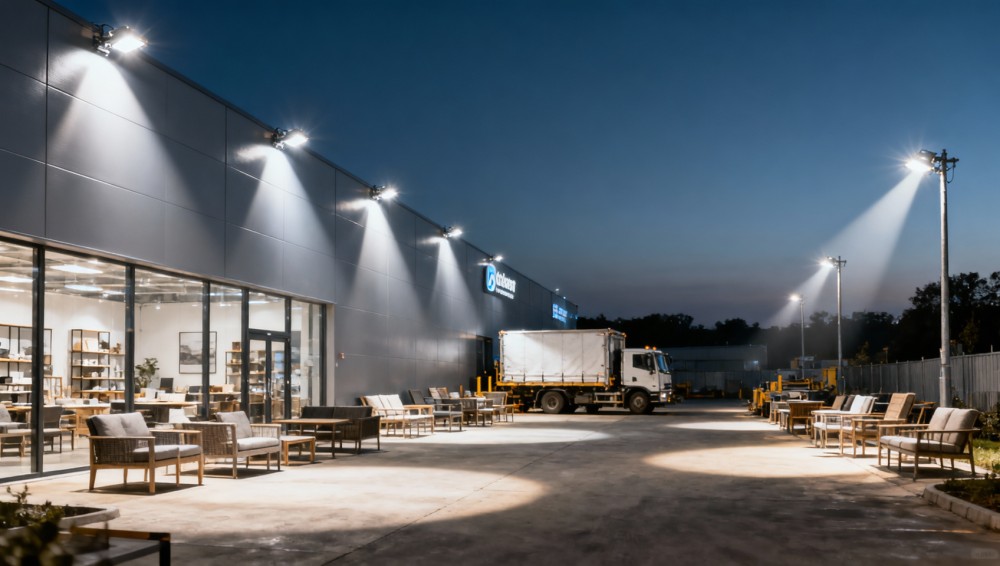
Many buyers evaluate outdoor flood lights by wattage or lumen claims alone, but nighttime coverage is a field result, not a single catalog number. In furniture and decor facilities, the lighting task may include yard circulation, loading zones, façade display, gate security, or outdoor storage. Each use case requires a different balance between throw distance, uniformity, glare control, and mounting position.
A flood light rated for a wide beam can brighten a larger area at short range, yet lose intensity quickly at the perimeter. A narrow beam can project farther, but may leave dark gaps between fixtures. This is why two products with similar lumen output can produce very different site visibility after installation, especially when poles are mounted at 4–6 meters, 6–8 meters, or above 10 meters.
Procurement teams also need to account for surface conditions. Concrete yards, pale building walls, polished metal, landscaping, wet ground, and stacked goods all change the way light is reflected or absorbed. In outdoor show areas for furniture and decor products, reflective finishes may increase perceived brightness, while dark packaging yards or timber storage zones can make the same flood light feel underpowered.
For B2B sourcing, the key question is not simply “How bright is the fixture?” but “How much usable light reaches the task area?” That shift in thinking helps distributors, sourcing managers, and commercial evaluators avoid overspecification, underlighting, and costly retrofits within the first 6–12 months of deployment.
The 5 variables that most directly shape usable coverage
- Beam angle: common ranges such as 30°, 60°, 90°, and 120° change the spread pattern and center intensity.
- Mounting height: the same fixture behaves differently at 3 meters, 6 meters, or 12 meters because beam spread expands with distance.
- Lumen output and optical efficiency: total lumens matter, but the optical design determines how effectively they are directed.
- Site reflectivity and obstructions: walls, racks, trees, trucks, canopies, and uneven surfaces alter actual visibility.
- Fixture spacing and aiming: poor layout can waste light, increase glare, and create overlit hotspots with underlit edges.
When buyers compare suppliers, asking for photometric files, beam distribution information, and recommended mounting scenarios is often more useful than comparing wattage only. For sourcing teams handling multiple facilities across furniture production, hardware logistics, and exterior display areas, this approach creates a more reliable basis for vendor screening.
Which technical factors should procurement teams check first?
In practical buying decisions, the most important technical factors are not always the most visible in promotional sheets. Buyers should start with at least 4 core checks: beam angle, mounting height compatibility, lumen maintenance strategy, and ingress protection for outdoor use. These directly influence whether the flood light performs as expected through seasonal weather, dust exposure, and long nightly operating hours.
For furniture and decor businesses, appearance can also matter when outdoor lighting supports storefront presentation, landscape accents, or façade branding. However, visual design should not override optical suitability. A stylish housing cannot compensate for poor light distribution, and a low-priced option may create uneven illumination that affects site safety, visitor experience, and product presentation after dark.
Color temperature is another field issue. Cooler light in the 5000K–6500K range can improve perceived sharpness in utility yards, while 3000K–4000K may better suit decorative exteriors, hospitality-oriented furniture showrooms, or premium outdoor retail environments. The right choice depends on whether the objective is security visibility, operational clarity, or visual atmosphere.
Buyers should also ask how the fixture manages heat. In regions with high ambient temperatures, poor thermal design can accelerate lumen depreciation and shorten component life. If flood lights run 10–12 hours per night, five to seven nights per week, thermal stability becomes a procurement issue, not just an engineering detail.
Key parameter review before comparing quotations
The table below helps procurement teams compare outdoor flood lights on practical criteria rather than headline wattage. It is especially relevant when reviewing options for factory perimeters, outdoor furniture display zones, loading areas, and mixed-use commercial exteriors.
A structured parameter review reduces the chance of buying fixtures that look competitive on price but fail in operation. For distributors and sourcing managers, it also creates a clearer basis for comparing bids from multiple factories without losing sight of the real application environment.
A practical 4-step technical screening flow
- Define the task area in meters and identify whether the goal is security, circulation, display, or mixed use.
- Match beam angle to mounting height and fixture spacing before reviewing wattage.
- Check outdoor durability details including sealing, corrosion exposure, and driver placement.
- Request installation guidance, lead time, and sample evaluation terms before issuing a final RFQ.
This workflow is particularly useful when procurement decisions must be made within 2–4 weeks and several internal stakeholders are involved. It keeps the review grounded in site performance instead of broad marketing claims.
How do application scenarios change the right flood light choice?
Outdoor flood lights are not selected in a vacuum. A furniture manufacturer may need secure truck access at night, while a decor retailer may focus on façade visibility and outdoor product presentation. A hardware distribution center may need broad yard illumination with fewer dark pockets. The right choice depends on which surfaces, movements, and visual tasks dominate the site after sunset.
In perimeter zones, buyers often prioritize reach and surveillance support. In loading areas, they need better vertical visibility for docks, pallets, and vehicle maneuvering. In display-oriented environments, excessive glare can reduce visual comfort and distort finishes on wood, fabric, or metal products. That is why application-based selection usually outperforms a one-model-fits-all strategy.
Procurement teams managing several site types should group needs into at least 3 categories: security coverage, operational work zones, and brand or display enhancement. This framework helps compare vendor proposals more objectively and makes budgeting easier when the same supplier offers multiple beam patterns or housing sizes.
For distributors and agents, scenario segmentation also improves product positioning. Instead of promoting one outdoor flood light as suitable for every customer, they can align specifications with dealer channels, project types, and local installation conditions.
Typical site scenarios and lighting priorities
The next table maps common outdoor use cases to practical selection priorities. It is useful for sourcing reviews in furniture and decor environments where aesthetics and utility often overlap.
This comparison shows why lighting selection should begin with the task, not the fixture alone. A project that mixes yard security and visual merchandising may need two optical strategies rather than one standard flood light across the whole site.
Common scenario mistakes in mixed-use furniture and decor sites
- Using very cool, high-glare flood lights near customer-facing outdoor displays, which can flatten textures and create visual discomfort.
- Choosing the same beam angle for a narrow side lane and a wide loading apron, resulting in uneven performance.
- Ignoring obstructions such as signboards, canopies, trees, parked trucks, and stacked furniture cartons that block light paths.
- Planning by fixture count only instead of assessing spacing, overlap, and target visibility at the edge of the lit zone.
These issues are especially common when projects move quickly from quotation to installation. A simple application matrix can prevent rework and make supplier recommendations more credible during commercial evaluation.
What should buyers compare beyond unit price?
Unit price matters, but for outdoor flood lights the total decision should include at least 5 cost dimensions: fixture price, installation complexity, operating hours, maintenance access, and replacement risk. A lower purchase price can become less attractive if beam mismatch forces additional fixtures, or if early driver failure increases service calls in hard-to-reach mounting positions.
For procurement teams in furniture and decor supply chains, budget discipline is often paired with tight delivery windows. That means cost evaluation should include lead time realism. A competitively priced flood light may not support project schedules if samples require 7–15 days, mass production needs 3–5 weeks, or export documentation is incomplete for the destination market.
Distributors should also consider portfolio fit. Carrying only high-output models may reduce flexibility for façade, patio, garden, or decorative perimeter projects. On the other hand, overly broad SKU selection can increase stock pressure. A balanced line often includes 2–3 beam options and several power levels aligned with the most common mounting heights in the target region.
Another cost factor is maintenance access. Flood lights installed on tall poles, wall brackets above signage, or exterior warehouse corners can be expensive to service. Even where replacement parts are available, downtime, lift equipment, and labor should be included in the evaluation.
A practical procurement checklist for B2B buyers
- Confirm the target area dimensions, fixture quantity assumptions, and mounting height before asking for a final quotation.
- Request outdoor flood light options by application type, not by wattage only, especially if the project includes display and utility zones.
- Check expected lead times for sample approval, pilot order, and repeat order cycles to avoid installation delays.
- Review compliance needs such as destination-market safety marks, environmental declarations, and packaging requirements for export channels.
- Ask about warranty scope in operational terms, including which components are covered and how field claims are handled.
How GSR supports smarter comparison and sourcing decisions
Global Supply Review helps procurement directors, sourcing managers, distributors, and commercial evaluators move beyond superficial product comparisons. In sectors such as furniture and decor, where projects often connect lighting, packaging, hardware, and display needs, decision-makers benefit from a sourcing perspective that links technical fit, supply continuity, and market positioning.
Instead of treating lighting as an isolated purchase, GSR frames outdoor flood lights within the broader realities of cross-border trade, supplier qualification, and downstream channel requirements. That is useful when buyers need to compare multiple manufacturing regions, evaluate documentation readiness, or align lighting decisions with wider site improvement plans.
For exporters and manufacturers, this also creates a stronger route to market visibility. Technical capabilities, application-specific recommendations, and practical project guidance are easier for serious buyers to assess when they are presented within a clear sourcing and evaluation context rather than generic advertising claims.
FAQ: what do buyers and distributors most often ask?
The questions below reflect common search intent and procurement concerns around outdoor flood lights. They are especially relevant for business evaluators and channel partners comparing products for commercial exterior use in furniture, decor, and adjacent light manufacturing environments.
How should I estimate whether one flood light can cover my outdoor area?
Start with 3 inputs: area dimensions, mounting height, and the required visual task. A gate lane, loading apron, or outdoor display frontage may all need different light distribution. Then review beam angle and fixture aiming. In many projects, a single high-output flood light does not replace two properly spaced fixtures because uniformity and edge visibility matter as much as center brightness.
Are wider beam angles always better for coverage?
No. A wide beam can illuminate a broader near-field area, but intensity drops more quickly with distance. For sites with mounting heights above 6–8 meters or longer throw needs, a medium or narrower beam may produce more usable coverage. The correct answer depends on distance, spacing, and whether the priority is spread, reach, or glare reduction.
What is a common mistake in outdoor flood light procurement?
One common mistake is comparing fixtures by wattage and price only. Another is ignoring the effect of dark surfaces, obstructions, and installation height. In B2B environments, these oversights often lead to re-aiming, extra fixture purchases, or dissatisfaction after commissioning. Asking for application-based recommendations can reduce this risk significantly.
How long does a typical sourcing cycle take?
For standard items, sample review may take 7–15 days and volume production often falls within 3–5 weeks, although timing varies by factory load, customization level, and export destination. If your project also requires packaging adaptation, labeling changes, or market-specific compliance documentation, the total cycle can be longer. It is best to confirm milestones before internal approval is finalized.
Why choose us for sourcing insight and next-step evaluation?
If you are comparing outdoor flood lights for furniture factories, exterior display areas, commercial façades, hardware yards, or distributor channels, the right next step is not guesswork. It is structured evaluation. Global Supply Review helps buyers and partners focus on the issues that change real project outcomes: coverage logic, scenario fit, procurement risk, and supplier readiness.
You can consult with GSR on parameter confirmation, application-based product selection, sample planning, expected lead times, export documentation readiness, and the difference between similar-looking flood light offers. This is particularly helpful when your team must compare multiple suppliers within a short review cycle or justify a sourcing decision to technical and commercial stakeholders.
For distributors, agents, and manufacturers seeking stronger project alignment, GSR also supports clearer market positioning by connecting technical product information with sourcing intelligence across lighting, hardware, packaging, and furniture-related supply chains. That broader view helps reduce mismatches between what is quoted, what is shipped, and what the site actually needs.
If you need support with beam angle selection, mounting-height matching, quotation comparison, customization options, certification considerations, or sample and order planning, reach out with your project parameters. A more precise brief at the start can save weeks of revision and prevent costly field corrections after installation.
Recommended News
 Expert AnalysisIWA Launches Green Studio Certification for Chinese Photo Studio SuppliersGreen Studio Certification for Chinese photo studio suppliers — IWA's GGSC opens to LED lighting, eco-backdrops, biodegradable props & retouching software. Apply by May 31!Apr 17, 2026
 Fabrics & YarnsTurkey TSE New Standard for Linen-Blend Backdrop FabricsTurkey TSE new standard for linen-blend backdrop fabrics: mandatory antibacterial & stability tests by Aug 2026—secure compliance now to keep supplying Istanbul wedding studios.Textile Industry AnalystApr 17, 2026
 Supply Chain InsightsWedding Photography Prop Freight Rates Surge 23% on Red Sea DisruptionWedding photography prop freight rates surge 23% amid Red Sea disruption—impact on lead times, air costs & supply chain strategy revealed.Apr 17, 2026
 Garment MfgBrazil ANVISA Proposes Child Textile Rules for Bridesmaid AttireBrazil ANVISA’s new child textile rules for bridesmaid attire—lace veils, satin ribbons, silk bouquets—demand ISO flammability & safety testing. Act now!Textile Industry AnalystApr 17, 2026