Industry News
Curation by industry experts
Hot Articles
- Garment MfgEU ESPR Rules Take Effect July 2026: Digital Passports & Carbon Reports Required for China Textile Exports
- Building HardwareChina Customs Expands Smart Classification Pilot for Hardware Exports, Boosts Efficiency by 40%
- Carton & PlasticsChina Customs Expands Smart Classification Pilot for Packaging Exports
Popular Tags
Red Sea Crisis Tightens Asia-Europe Container Space, Extends China's Packaging Exports by 7-10 Days
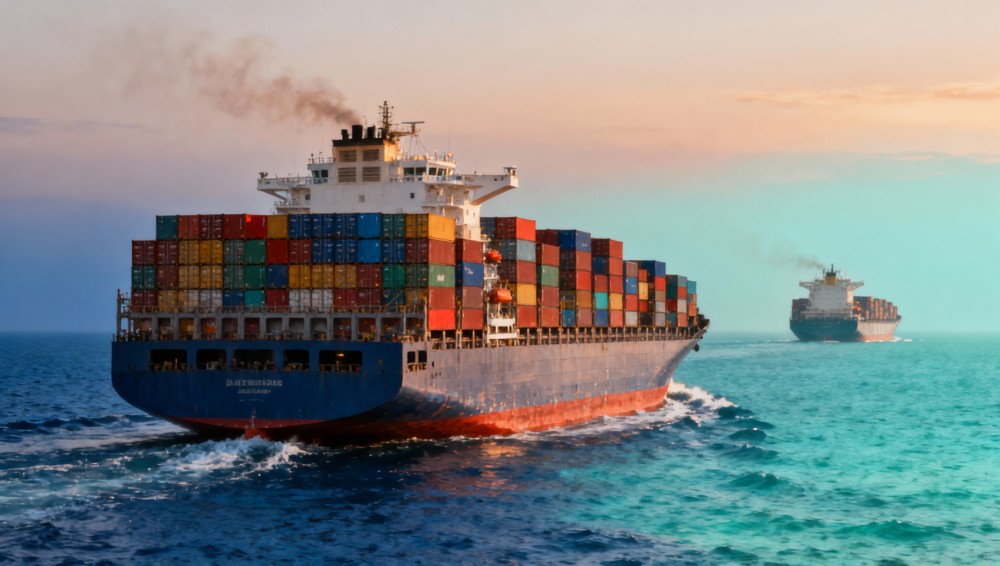
The ongoing Red Sea conflict has significantly disrupted Asia-Europe shipping routes, leading to severe container space shortages and extended delivery times for China's packaging and printing exports in April 2026. Industries reliant on cross-continental logistics—particularly fast-moving consumer goods (FMCG) brands and their packaging suppliers—must urgently reassess supply chain strategies.
Event Overview
According to joint monitoring by Shanghai Shipping Exchange and Alphaliner, the booking success rate for 40HQ containers on Asia-Europe routes dropped below 45% in early April 2026. This has caused widespread 7-10 day delays for packaging exports from China's eastern and southern regions. Major FMCG brands are already activating 'nearshore packaging procurement' plans, shifting orders to secondary suppliers in Mexico and Turkey.
Impacted Sub-Sectors
1. Export-Oriented Packaging Manufacturers
Chinese factories face compressed profit margins as clients demand air freight subsidies or penalty-free contract revisions. Smaller suppliers lacking multimodal logistics capabilities risk order attrition.
2. FMCG Procurement Teams
Brands with just-in-time packaging dependencies—especially in cosmetics, premium foods, and electronics—are experiencing production line slowdowns due to delayed material arrivals.
3. Logistics Service Providers
Forwarders report a 300% surge in air cargo inquiries for high-value packaging, but capacity remains constrained by limited charter aircraft availability.
Actionable Responses
Prioritize Supply Chain Visibility
Implement real-time container tracking with exception alerts to anticipate delays before they cascade.
Diversify Transport Modes
For time-sensitive shipments, evaluate rail-air combos via Central Asia or Southeast Asian transshipment hubs.
Revisit Force Majeure Clauses
Review contracts with buyers to clarify liability thresholds for maritime disruptions exceeding 14 days.
Industry Perspective
This crisis accelerates two structural shifts: (1) FMCG brands' nearshoring strategies may become permanent for secondary packaging, and (2) Chinese suppliers must develop 'micro-fulfillment' capabilities—handling sub-20-container shipments with ≤72-hour turnaround.
The current situation reflects not just temporary logistics bottlenecks but a stress test for globalized production models. Packaging exporters should treat this as a catalyst for operational upgrades rather than a short-term disturbance.
Information Sources
• Shanghai Shipping Exchange (SSE)
• Alphaliner weekly market report
• Pending verification: Potential Suez Canal surcharge adjustments by major carriers (monitor Q2 announcements)
Recommended News
 Garment MfgEU ESPR Rules Take Effect July 2026: Digital Passports & Carbon Reports Required for China Textile ExportsEU ESPR rules from July 2026 mandate digital passports & carbon reports for China textile exports. Learn compliance strategies for apparel, footwear & leather goods to avoid EU market disruptions.Textile Industry AnalystApr 13, 2026
 Building HardwareChina Customs Expands Smart Classification Pilot for Hardware Exports, Boosts Efficiency by 40%China Customs expands Smart Classification Pilot for hardware exports to Dongguan & Yiwu, boosting clearance efficiency by 40% with automated HS code pre-classification under RCEP rules. Essential for construction hardware & tool exporters.Tooling & Hardware LeadApr 13, 2026
 Carton & PlasticsChina Customs Expands Smart Classification Pilot for Packaging ExportsChina Customs expands Smart Classification Pilot for packaging exports to Dongguan & Yiwu, cutting HS code confirmation to 48 hours. Boost export efficiency & reduce customs disputes for packaging manufacturers and traders.Packaging Supply ExpertApr 13, 2026
 Carton & PlasticsSoutheast Asia E-commerce Packaging Demand Surges: Lazada/Shopee Release 2026 Cross-Border Green Packaging WhitepaperLazada & Shopee's 2026 green packaging policy mandates FSC-certified cartons, water-based inks & carbon labels for Southeast Asia e-commerce. Sellers face 3% surcharge for non-compliance – learn how to adapt & stay competitive.Packaging Supply ExpertApr 13, 2026