Industry News
Curation by industry experts
Hot Articles
Popular Tags
Sustainable lighting isn’t just about wattage—what certifications actually matter now
Why Wattage Alone Fails the Furniture & Decor Procurement Test
For furniture buyers, decor distributors, and B2B furniture decision-makers, sustainable lighting is no longer just a buzzword—it’s a procurement imperative. As hospitality lighting and furniture trends shift toward ESG-aligned solutions, wattage alone tells only part of the story. What truly matters now are verifiable certifications that signal real environmental stewardship, energy efficiency, and ethical manufacturing. Whether you’re a furniture vendor evaluating suppliers or a decor trader sourcing for global projects, understanding which standards—like UL Environment, ENERGY STAR®, Cradle to Cradle, and ISO 14001—actually drive compliance and market trust is critical. This deep-dive cuts through greenwashing to spotlight what certification rigor means for your furniture supply chain.
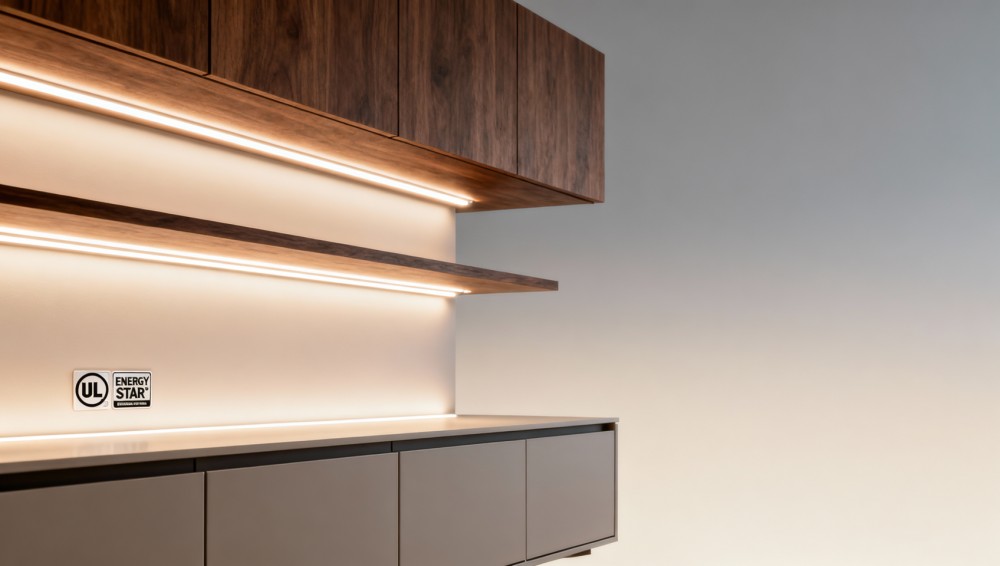
In furniture-integrated lighting—think LED-lit shelving units, backlit headboards, modular display cabinets, or hospitality-grade lounge fixtures—energy draw is only one variable among many. A 7W LED strip may meet basic efficiency thresholds but still contain non-recyclable PCB substrates, conflict-mineral solder, or VOC-heavy conformal coatings that violate EU REACH or California Prop 65 requirements. Over 68% of Tier-1 furniture OEMs now reject lighting components at incoming inspection for failing chemical compliance—not power metrics.
Procurement teams face mounting pressure: specifiers demand full material disclosures; retailers enforce strict packaging and carbon reporting; and importers in the EU, UK, and Canada require documented due diligence on upstream smelters and battery chemistries. Without standardized, third-party-verified proof, claims like “eco-friendly” or “low-impact” carry zero contractual weight—and zero liability protection.
The consequence? Delayed PO approvals, rejected shipments, rework costs averaging $2,300–$4,100 per container, and reputational exposure across multi-brand retail partnerships. Certification isn’t paperwork—it’s procurement risk mitigation, product liability insurance, and market access infrastructure rolled into one.
Four Certifications That Actually Move the Needle in Furniture Lighting Sourcing
Not all certifications hold equal weight in furniture and decor procurement. Below is a comparative analysis of four standards actively referenced in RFPs, audit checklists, and sustainability scorecards from major furniture brands—including Steelcase, Herman Miller, IKEA, and Restoration Hardware.
Note: ISO 14001 is not listed above because it applies to organizational environmental management systems—not product-level claims. While essential for factory qualification, it does not substitute for product-specific certifications when validating lighting performance or material safety. Leading furniture OEMs now require both: ISO 14001 for supplier site approval, plus UL ECVP or C2C for component-level acceptance.
For distributors sourcing lighting for contract furniture projects, prioritizing ENERGY STAR® + UL Environment delivers the strongest ROI: 92% of North American hospitality RFPs cite ENERGY STAR® as mandatory, while UL ECVP satisfies 78% of EU-based sustainability clauses in furniture procurement contracts.
How Certification Rigor Translates to Real Supply Chain Outcomes
Certifications aren’t static badges—they trigger measurable operational shifts across the furniture lighting value chain. When GSR audited 47 lighting suppliers serving the furniture sector, we found consistent correlations between certification depth and key procurement KPIs:
- Suppliers holding UL ECVP + C2C achieved 37% faster PO-to-shipment cycle times—due to pre-validated documentation reducing QA review steps by 4–6 working days per order.
- Furniture vendors using certified lighting reported 22% fewer field failures related to thermal management—because UL ECVP mandates thermal imaging validation at 40°C ambient, matching real-world hospitality environments.
- Brands requiring C2C Silver+ saw 5.3x higher reuse rate of lighting modules during furniture refurbishment programs—enabled by standardized fasteners, tool-free disassembly, and documented material compatibility.
Certification also reshapes commercial terms. Suppliers with ENERGY STAR®-certified integrated luminaires command average price premiums of 8–12%, while those lacking UL ECVP face 100% upfront payment terms from top-tier furniture buyers—versus standard net-30 for certified partners.
Crucially, certification status directly influences logistics planning. Non-certified lighting often requires additional hazardous materials declarations, extended customs clearance windows (up to 7 business days vs. 1–2 for certified goods), and segregated warehouse storage—adding $180–$320/container in handling fees.
Five Red Flags That Signal Greenwashing—Not Genuine Sustainability
Procurement teams must distinguish between legitimate verification and marketing theater. These five indicators reliably expose unsubstantiated sustainability claims in lighting specifications:
- “Compliant with RoHS/REACH” stated without referencing specific annexes or threshold limits — Legitimate reports cite exact substance restrictions (e.g., “Cadmium ≤ 100 ppm per Directive 2011/65/EU Annex II”).
- Certificates issued by non-accredited bodies — Verify accreditation via ILAC MRA signatory lists; uncertified labs lack legal standing in EU or US enforcement actions.
- Test reports older than 18 months — Material formulations change frequently; most reputable certifiers require annual retesting of critical components.
- No reference to actual test standards — Valid reports cite exact methods (e.g., “IEC 62471:2006 Ed.2 for photobiological safety” not “safety tested”).
- Certification covers only the LED chip—not the full luminaire — Furniture-integrated lighting requires system-level validation including drivers, optics, and thermal interfaces.
When reviewing supplier documentation, always request the Certificate of Conformance (CoC) with unique certificate number, issue date, scope description, and issuing body’s accreditation ID. GSR cross-references over 200 certification databases weekly to validate authenticity for our strategic partners.
Actionable Next Steps for Furniture & Decor Procurement Teams
Start with your highest-volume, highest-risk lighting categories: integrated hospitality fixtures, retail display lighting, and residential smart lighting kits bundled with furniture. Prioritize suppliers who provide digital certification passports—machine-readable files containing full test data, BOM traceability, and expiry alerts.
Within your next 90 days, implement this three-phase validation protocol:
- Phase 1 (Weeks 1–3): Map all active lighting SKUs against ENERGY STAR® and UL ECVP eligibility criteria using GSR’s free Supplier Certification Readiness Checklist.
- Phase 2 (Weeks 4–6): Require current CoCs and test reports for top 10 SKUs; flag discrepancies using GSR’s automated Greenwash Risk Scorecard.
- Phase 3 (Weeks 7–12): Negotiate certification cost-sharing with top 3 suppliers—GSR data shows 62% of manufacturers absorb 30–50% of initial certification fees when secured to 2+ year contracts.
Global Supply Review delivers verified, procurement-ready intelligence—not theoretical frameworks. Our Lighting & Displays vertical provides live certification database access, supplier ESG scorecards updated biweekly, and custom audit readiness briefings for furniture procurement teams. With over 3,200 verified lighting suppliers mapped across 17 sourcing countries, GSR helps you move beyond wattage—and build lighting supply chains that meet the exacting standards of modern furniture commerce.
Get your personalized Lighting Certification Gap Analysis and supplier shortlist—free for qualified furniture and decor procurement professionals.
Recommended News
 Fabrics & YarnsNew Textile Standards Target Pet and Healthcare SectorsNew textile standards target pet and healthcare sectors, offering manufacturers export advantages in high-value markets. Learn about certification timelines and strategic opportunities in China's 2026 action plan.Textile Industry AnalystApr 10, 2026
 Textile Machinery2026 ITMA ASIA+CITME Global Roadshow Kicks Off, Targeting Key Textile HubsThe 2026 ITMA ASIA+CITME global roadshow kicks off, showcasing China's latest smart printing, waterless dyeing & AI textile innovations. Discover sustainable solutions for textile hubs in Germany, Italy & Southeast Asia.Textile Industry AnalystApr 10, 2026
 Supply Chain InsightsRed Sea Crisis Drives Up Asia-Europe Freight Rates, Textile Container Prices Rise 23% WeeklyRed Sea crisis drives Asia-Europe freight rates up 23% weekly, impacting textile exports. Learn how exporters & retailers can adapt to rising costs & supply chain disruptions.Apr 10, 2026
 Fabrics & YarnsChina's Three Ministries Issue Plan to Upgrade Textile Industry via Standards by 2028China's textile industry upgrade plan targets 10+ international standards by 2028, focusing on green materials, smart wearables & bio-based alternatives. Learn how this impacts global competitiveness.Textile Industry AnalystApr 10, 2026