Industry News
Curation by industry experts
Hot Articles
Popular Tags
Organic Cotton Fabrics for Baby Clothing: Softness, Safety, and Shrinkage to Compare
Choosing organic cotton fabrics for baby clothing is not just about picking the softest option on the shelf. For most parents, the real question is simpler and more practical: which fabric feels gentle on delicate skin, limits unnecessary chemical exposure, stays comfortable through naps and play, and still holds up after repeated washing? The short answer is that organic cotton is often a strong choice for babywear, but not all organic cotton fabrics perform the same way.
If you are comparing baby bodysuits, sleepwear, swaddles, or everyday separates, the biggest differences usually come down to knit or weave type, fabric weight, finishing methods, and how the garment was pre-washed or preshrunk. A lightweight organic cotton jersey may feel soft and breathable, while an organic cotton interlock may feel smoother, warmer, and more stable after laundering. Organic muslin can be airy and ideal for warm weather, but it behaves differently from rib knit in stretch and recovery.
This guide focuses on the questions parents actually ask before buying: Is organic cotton safer for babies? Which organic cotton fabrics are softest? How much do they shrink? Which ones make daily care easier? By comparing softness, safety, breathability, durability, and shrinkage in clear terms, you can make a more confident choice based on your baby’s needs rather than marketing claims alone.
What parents are really looking for when comparing organic cotton baby fabrics
When parents search for information on organic cotton baby clothing, they are usually trying to reduce risk and avoid regret. They want clothing that feels comfortable against sensitive skin, does not trap too much heat, and does not contain harsh residues from conventional processing. They also want baby clothes that survive frequent washing without twisting, shrinking dramatically, or becoming rough.
That means the most useful comparison is not “organic versus non-organic” in a vague sense. It is a practical evaluation of different organic cotton fabrics for baby clothing and how each one performs in real life. Softness matters, but so do seam comfort, stretch, drying speed, pilling resistance, and whether a fabric becomes misshapen after a few wash cycles.
Another key concern is honesty in labeling. Many parents assume that “organic cotton” automatically guarantees the cleanest, safest finished garment. In reality, the cotton fiber source is only one part of the story. Dyes, finishes, trims, elastic, and manufacturing certifications also influence whether a garment is truly suitable for newborns and infants with sensitive skin.
Is organic cotton actually safer for babies?
Organic cotton is generally chosen because it is grown under stricter agricultural standards than conventional cotton, usually with reduced use of synthetic pesticides and fertilizers. For parents, that matters because it aligns with a lower-chemical lifestyle and supports a more environmentally responsible supply chain. While the farming standard alone does not guarantee a perfect final garment, it can be a meaningful starting point.
For baby clothing, safety is about more than the field where the cotton was grown. The finished fabric should also be processed with care. Low-impact dyes, limited finishing chemicals, and reputable third-party certifications can matter as much as the fiber content itself. If your baby has eczema, easily irritated skin, or frequent heat rash, fabric finishing and garment construction may affect comfort just as much as whether the cotton is organic.
Parents should look for signals such as GOTS certification, OEKO-TEX testing, or brand transparency about dyes and finishes. GOTS, in particular, is often valued because it covers both organic fiber requirements and restrictions on certain chemicals in processing. A garment without certification is not automatically poor quality, but verified standards can make comparison easier when you are trying to separate meaningful quality from green marketing.
Which organic cotton fabrics feel the softest on baby skin?
Softness is one of the first things parents notice, but softness can mean different things. Some fabrics feel silky and smooth. Others feel plush, airy, or stretchy. In babywear, the best softness is usually the kind that stays comfortable after repeated washing rather than a surface finish that feels luxurious only when new.
Organic cotton jersey is one of the most common choices for baby clothing. It is soft, flexible, breathable, and easy to wear daily. Because jersey is a knit, it has natural stretch and drapes gently, which makes it popular for bodysuits, T-shirts, and pajamas. Many parents like jersey because it feels familiar and comfortable, though very lightweight jersey can be less durable if washed aggressively.
Organic cotton interlock is often a step up in smoothness and stability. It is a double-knit fabric, usually thicker than jersey, with a soft handfeel on both sides. Interlock tends to feel substantial without being stiff, making it a strong option for babies who need cozy everyday basics in cooler weather. It also usually curls less at the edges and may keep its shape better over time.
Organic cotton rib knit offers more stretch, which can be useful around cuffs, necklines, leggings, and fitted pieces. It is comfortable and practical, though the texture is more pronounced than jersey or interlock. For some babies, rib knit is ideal because it moves easily with the body. For parents prioritizing the smoothest next-to-skin feel, interlock may feel gentler.
Organic cotton muslin is loved for swaddles, blankets, and lightweight summer pieces. Its open weave creates excellent airflow, and it often becomes softer with washing. However, muslin does not feel the same as knit babywear. It is airy rather than stretchy, and some parents find that it feels less “cushioned” than interlock or jersey in fitted clothing.
How breathability and temperature comfort affect daily wear
Babies regulate body temperature differently from adults, and overheating is a common concern. That is why breathability should be near the top of your checklist. A fabric that feels soft in your hand may still be too dense for hot climates, indoor heating, or babies who sleep warm.
Among common options, organic muslin and lightweight organic jersey are usually the most breathable. They allow better airflow and can help reduce the clammy feeling that sometimes develops under heavier sleepwear or layered outfits. This makes them well suited for summer, tropical weather, or daytime wear when babies are active and moving.
Interlock is breathable too, but because it is thicker, it generally provides more warmth and a slightly more insulated feel. That can be an advantage in cooler months or air-conditioned environments. The important point is not that one fabric is better than another in all conditions, but that the right choice depends on your baby’s environment, season, and tendency to run warm or cool.
If your baby is prone to eczema, sweat rash, or irritation in skin folds, breathability becomes even more important. In those cases, lightweight and minimally finished organic cotton fabrics can often feel more comfortable than heavier or highly treated materials. A simple, breathable fabric with soft seams may outperform a thicker garment marketed mainly for luxury.
What causes shrinkage in organic cotton baby clothes?
Shrinkage is one of the biggest frustrations for parents buying babywear, especially because babies outgrow clothes quickly even without laundry surprises. Organic cotton can shrink just like conventional cotton. The idea that organic automatically means less shrinkage is a myth. What really matters is fabric construction, finishing, and wash care.
Knit fabrics such as jersey, rib, and interlock often shrink more noticeably in length than tightly woven fabrics, especially if they were not fully preshrunk before cutting and sewing. Heat is the main trigger. Hot water and high dryer temperatures relax fibers and tighten the structure, which can make a onesie suddenly seem one size smaller after only one or two washes.
Muslin can also shrink, particularly on the first wash. In some products, that soft crinkled look is part of the intended character of the fabric. That is not necessarily a defect, but parents should know that garments and blankets made from muslin may change dimension and texture more visibly than smoother knits.
Which organic cotton fabrics usually shrink the most and the least?
In general, lightweight jersey tends to be one of the more shrink-prone options if it has not been well stabilized. It is comfortable and common, but it can lose some length or twist slightly after washing, especially in lower-cost garments. That does not make it a poor choice; it simply means quality control matters more.
Interlock often performs better in shrinkage control because its structure is more stable. Many parents find that organic cotton interlock baby clothes keep their shape better after repeated laundering. This can make interlock a smart choice for sleepers, bodysuits, and outfits where fit consistency matters.
Rib knit may shrink somewhat but often recovers visually because of its stretch. However, repeated high heat can still reduce overall size and elasticity. Muslin can show moderate to noticeable first-wash shrinkage, depending on weave density and finishing. If low shrinkage is a top priority, parents often do best with preshrunk interlock or high-quality jersey from brands that clearly disclose wash testing.
How to judge quality before you buy
Reading a product label closely can tell you more than many product descriptions. Look for information on fabric type, weight, preshrunk treatment, certification, and care instructions. A listing that simply says “organic cotton” without explaining whether the fabric is jersey, interlock, rib, or muslin leaves out details that directly affect comfort and shrinkage.
Touch matters too, when in-store shopping is possible. A good baby fabric should feel soft without a waxy, slippery, or heavily coated surface. Excessively slick handfeel can sometimes come from finishes that wear off. Also check whether seams feel bulky, whether snaps are securely attached, and whether the fabric springs back after gentle stretching.
Online, reviews can help if you filter them properly. Search specifically for comments about post-wash softness, fit changes, pilling, neckline stretching, and color fading. Many parents mention shrinkage only after several washes, so longer-term reviews are often more useful than first-impression praise.
Best organic cotton fabric choices for different baby clothing needs
For everyday bodysuits and tees, organic cotton jersey is often the most practical all-around choice. It is soft, breathable, easy to layer, and comfortable for daily movement. If you want a balance between softness and warmth in a standard wardrobe, jersey usually works well.
For sleepwear, cooler weather basics, and parents who want better shape retention, organic cotton interlock is often the better option. It feels smooth, slightly thicker, and more durable in repeated laundering. Many families prefer interlock for newborn essentials because it combines softness with a more stable structure.
For summer swaddles, burp cloths, blankets, and lightweight warm-weather items, organic cotton muslin is hard to beat. It is breathable and tends to soften over time. For snug cuffs, stretchy leggings, and trim details, organic rib knit remains a useful choice. The best baby wardrobe is often not built around one fabric alone, but around selecting the right fabric for each use.
How to wash organic cotton baby clothes to reduce shrinkage and keep them soft
Even the best organic cotton fabrics for baby clothing can disappoint if they are washed harshly. To reduce shrinkage, use cool or warm water instead of hot, choose a gentle detergent, and avoid over-drying. High heat from the dryer is the most common reason baby clothes come out smaller than expected.
When possible, tumble dry on low or remove garments while slightly damp and air dry the rest of the way. This is especially useful for jersey and muslin. It also helps preserve softness and reduce fiber stress. Turning garments inside out can further limit surface wear and color fading.
Avoid assuming that all baby detergents are equally gentle. Fragrance-free and dye-free formulas are often better for sensitive skin. Fabric softeners are not always necessary and may leave residues that some babies do not tolerate well. In most cases, good-quality organic cotton will soften naturally over time with proper laundering.
Final verdict: what should parents choose?
If your priority is the best overall combination of softness, safety, and day-to-day practicality, organic cotton remains an excellent material for baby clothing. But the smartest choice is not “organic cotton” in general. It is the specific fabric type and garment quality behind the label.
For the softest and most stable feel, organic cotton interlock is often the strongest option. For breathable everyday basics, organic cotton jersey is a reliable favorite. For airy warm-weather use, organic muslin stands out. And if you need stretch in fitted areas, rib knit adds comfort and flexibility.
When comparing products, focus on certification, fabric construction, finishing transparency, and wash behavior rather than brand language alone. Parents who understand these differences are better equipped to buy baby clothes that feel gentle, wash well, and truly support comfort and peace of mind. That is the real value in comparing organic cotton fabrics for baby clothing carefully before you buy.
Recommended News
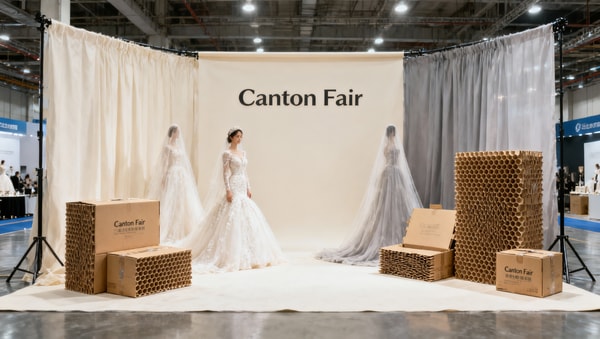
 Eco PackagingCanton Fair Wedding Photo Props Zone Sees 37% YoY GrowthWedding photo props at Canton Fair surge 37% YoY—biodegradable packaging & magnetic modular backdrops lead global demand. Discover key trends now!Packaging Supply ExpertApr 24, 2026
 Export UpdatesChina Customs Launches Beta 'Wedding Photo Props Export Compliance Self-Check Platform'Wedding photo props exporters: Use China Customs’ new beta Self-Check Platform for real-time export compliance guidance on HS codes like 9405.40, 4202.92 & 6307.90 — avoid delays in US, EU, ASEAN & Middle East markets.Apr 24, 2026
 Commercial LEDEN 14982:2026 Effective: LED Softlight Devices for Wedding Photography Must Pass Enhanced EMC Immunity TestsLED softlight devices for wedding photography must now pass enhanced EMC immunity tests per EN 14982:2026 — ensure CE compliance before EU market entry!Commercial Tech EditorApr 24, 2026
 Carton & PlasticsUS CPSC Recalls 7 Chinese Wedding Backdrop Makers for FormaldehydeUS CPSC recalls 7 Chinese wedding backdrop makers for formaldehyde—critical alert for婚纱摄影 exporters, MDF suppliers & US importers. Act now to avoid detention & liability.Packaging Supply ExpertApr 24, 2026