Industry News
Curation by industry experts
Hot Articles
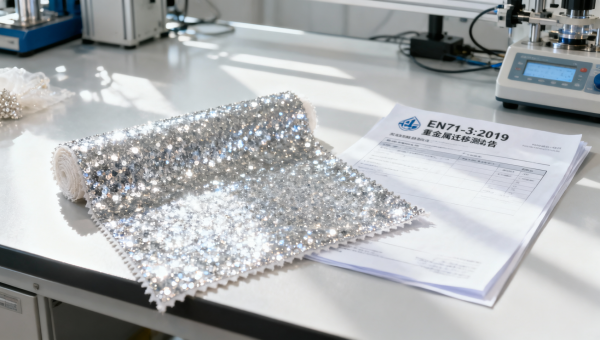
- Industry NewsUS CPSC Updates Safety Guidelines for Wedding Prop Fabrics: Glitter Coatings Must Pass EN71-3 Migration Test
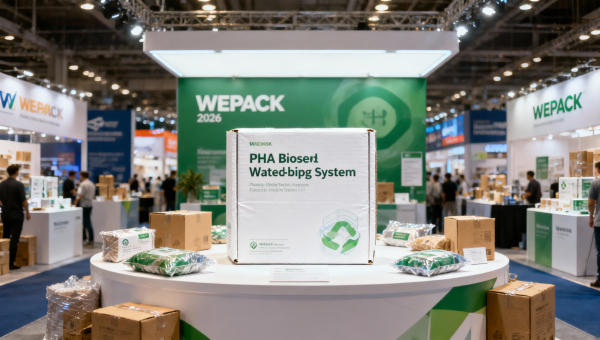
- Industry NewsWEPACK 2026 Shenzhen Show Highlights PHA-Based Barrier System for Global Markets
- Industry NewsRed Sea Crisis Escalates: Dubai Port Imposes High-Risk Surcharge on Packaging Goods
Popular Tags
What Slows Down Multi Needle Embroidery Machines in Daily Use
In daily production, multi-needle embroidery machines rarely slow down for just one reason. The biggest causes are usually a mix of thread path issues, hooping inconsistency, digitizing problems, poor maintenance discipline, operator habits, and production setups that push the machine outside its most stable range. For sourcing teams evaluating suppliers in Furniture & Decor, this matters because machine speed on paper does not equal reliable output in practice. A supplier making embroidered cushion covers, decorative textiles, wall art fabrics, or branded soft furnishings may advertise high-capacity equipment, but actual throughput depends on how well those machines hold speed, reduce stoppages, and protect quality over long runs.
For buyers, distributors, and commercial evaluators, the real question is not simply “What slows down a multi needle embroidery machine?” It is “Which slowdowns are normal, which signal weak process control, and how can we tell whether a supplier can deliver consistent volume without hidden delays?” That is where a practical, operations-focused view becomes useful.
Why daily machine slowdowns matter to procurement and supplier evaluation
In B2B sourcing, embroidery productivity affects much more than sewing speed. It influences lead time reliability, labor cost, defect rates, order flexibility, and the supplier’s ability to handle mixed SKUs. In Furniture & Decor, embroidered products may include cushion covers, decorative panels, bedding accents, upholstered accessories, hospitality textiles, and branded promotional home items. These orders often involve design variation, color changes, and medium-sized production runs rather than one simple bulk style.
That is why daily slowdowns deserve attention. A machine that frequently stops for thread breaks, trimming errors, registration drift, or design edits can create downstream problems such as:
- Missed shipment windows
- Higher rejection and rework rates
- Inconsistent embroidery quality across batches
- Reduced ability to take urgent or customized orders
- Hidden labor dependency on highly skilled operators
For procurement teams, these are not technical side notes. They are indicators of whether a supplier’s stated capacity is real, scalable, and dependable.
The most common reasons multi needle embroidery machines slow down in daily use
Most production slowdowns come from recurring operational friction rather than catastrophic machine failure. The following causes appear most often in day-to-day factory conditions.
1. Thread breaks and unstable thread feeding
Thread breaks are among the most frequent causes of lost time. Every break forces a stop, manual intervention, restart, and often a quality check. Causes include poor thread quality, incorrect tension, damaged guides, dust buildup, needle heat, and thread mismatch with fabric type.
If a factory uses low-consistency thread lots to cut cost, machine speed may look acceptable at the beginning of a run but fall sharply as interruptions accumulate. This is especially important for decor textiles where stitch appearance is visible and premium presentation matters.
2. Poor digitizing that overloads the machine
Even a well-maintained embroidery machine slows down when the embroidery file is poorly digitized. Excessive stitch density, inefficient stitch pathing, unnecessary trims, short stitches, and aggressive direction changes force the machine to decelerate or stop more often.
For buyers, this is a major clue: a supplier may own advanced multi needle embroidery machines, but if digitizing standards are weak, actual throughput will still suffer. Good digitizing supports both speed and finish quality.
3. Inconsistent hooping and material handling
Improper hooping can cause fabric movement, misalignment, puckering, or repeated restarts. On soft home decor materials, layered fabrics, coated textiles, velvet-like surfaces, or stretch blends, unstable hooping can reduce the machine’s effective speed because operators must slow runs to avoid defects.
This issue is often underestimated in sourcing conversations. Yet for decorative textile products, material control is one of the clearest differences between a factory that can run efficiently and one that only performs well on simple samples.
4. Needle wear, incorrect needle selection, and delayed replacement
Worn or mismatched needles increase friction, thread damage, skipped stitches, and fabric marking. In daily production, some factories delay needle replacement to reduce consumable cost, but that decision often creates more downtime than it saves.
A supplier with disciplined needle management usually sees fewer stops and more stable machine speed over long runs.
5. Dust, lint, oil imbalance, and weak maintenance routines
Embroidery environments generate lint and fine debris, particularly when working with furnishing fabrics and decorative textiles. Without regular cleaning, lubrication, and inspection, moving parts experience higher resistance and lower consistency. The machine may not fail outright, but it gradually loses stable running speed.
This is one of the clearest signs of production maturity. Preventive maintenance keeps machines productive; reactive maintenance only restores them after avoidable losses.
6. Frequent color changes and complex design sequencing
Multi needle embroidery machines are designed to handle multiple thread colors, but frequent changes still cost time. If a production order involves many color stops, trims, applique steps, sequins, or mixed decorative effects, the machine’s nominal top speed becomes less relevant than total cycle efficiency.
For sourcing teams comparing suppliers, product mix matters. A factory running simple logos on stable fabric is not directly comparable to one managing complex decor patterns with multiple color transitions.
7. Operator skill gaps
Experienced operators recover faster from minor issues, optimize setup, monitor tension earlier, and reduce restart losses. In contrast, weak operator training leads to slower setup, longer troubleshooting time, and more quality-related stoppages.
In practical terms, the same machine model can deliver very different output depending on the operator team and line supervision.
8. Running at theoretical speed instead of stable production speed
Many machines are marketed using maximum RPM figures. But daily production rarely happens at that top speed for long. Real output depends on fabric behavior, design complexity, machine condition, and acceptable defect thresholds.
A well-run factory knows the difference between advertised speed and sustainable speed. Buyers should care about stable shift output, not only machine specifications.
Which slowdown signals are normal, and which should raise concern
Not every slowdown is a red flag. Some are a normal part of embroidery production, especially when handling customized, decorative, or mixed-material products. The key is whether the factory controls those slowdowns systematically.
Generally normal and manageable:
- Minor speed adjustment for delicate or thick materials
- Planned downtime for needle changes or cleaning
- Longer cycle times for highly complex embroidery designs
- Setup time for short-run custom orders
Potential warning signs:
- Frequent unplanned thread breaks across multiple machines
- Output that depends heavily on one senior operator
- Large difference between sample quality and bulk quality
- Repeated machine stoppages explained as “normal” without data
- Lack of maintenance records or consumable replacement standards
- Capacity claims based only on machine count, not effective daily output
For business evaluators, the distinction is simple: controllable complexity is acceptable; uncontrolled instability is not.
How buyers can assess real embroidery capacity instead of brochure capacity
When reviewing an embroidery supplier, asking the right questions often reveals more than machine brand or head count. To understand what slows down multi needle embroidery machines in actual production, buyers should validate process discipline, not just equipment ownership.
Ask about effective output by product type
Request production data by category, such as decorative cushion covers, embroidered home textiles, hospitality linen accents, or promotional decor fabric items. Output per shift should vary by stitch count, fabric type, and color complexity. If a supplier gives one flat capacity number for everything, that is usually too simplistic.
Review downtime causes
Ask what the main causes of stoppage were in the past 30 to 90 days. Strong factories usually know their top loss categories, such as thread breaks, setup changeovers, digitizing revisions, or maintenance interruptions.
Check preventive maintenance discipline
Ask whether the factory follows daily, weekly, and monthly maintenance schedules. Well-managed suppliers can usually explain cleaning frequency, lubrication points, spare part control, and needle replacement routines clearly.
Evaluate digitizing capability
If the supplier handles digitizing in-house, ask how files are optimized for speed and stitch quality. If they outsource digitizing, ask how revisions are controlled. Poor file preparation is one of the easiest ways to hide future production delays.
Match machine capability to your actual order profile
A supplier may be efficient for basic embroidery but slower on premium decor patterns, textured fabrics, or high-variation small batches. Capacity should always be assessed against your real SKU structure, not against an idealized standard job.
What operational improvements usually create the biggest speed gains
For manufacturers and sourcing partners aiming to improve productivity, the biggest gains usually come from process control rather than simply buying more machines.
Better digitizing standards
Optimized stitch files reduce trims, lower density problems, and improve run stability. This can increase effective speed without sacrificing appearance.
Stronger consumable quality control
Reliable thread, appropriate backing, correct needles, and stable accessories reduce interruptions dramatically.
Standardized setup procedures
Consistent hooping, tension setting, design loading, and first-piece approval reduce variation between operators and shifts.
Preventive maintenance instead of reactive repair
Routine cleaning and inspection keep multi needle embroidery machines productive over time and reduce hidden efficiency losses.
Operator training and escalation discipline
Fast issue recognition and correct corrective action matter as much as machine hardware. Skilled operators protect both speed and quality.
Why this matters in Furniture & Decor sourcing specifically
In Furniture & Decor, embroidery is often tied to appearance-driven products where texture, symmetry, placement accuracy, and finish consistency directly affect saleability. A late shipment is damaging, but a shipment with visible embroidery inconsistency can be worse because it affects retail presentation, distributor confidence, and brand perception.
This is especially relevant when suppliers are serving collections linked to modern home decor minimalist trends, decorative wall-focused merchandising, or coordinated commercial interiors. Even when embroidery is only one component of a broader product line that may include frameless wall mirrors, large wall mirrors for living room concepts, LED lights color changing accessories, or office furniture modular systems, textile embellishment still needs dependable production planning. Bottlenecks in embroidered components can delay the complete assortment.
That is why commercial buyers should treat embroidery machine slowdown analysis as part of broader supplier capability validation. It helps determine whether a factory can support stable launches, seasonal replenishment, and mixed-product programs without avoidable disruption.
Practical takeaway for supplier selection
If you are comparing suppliers, do not treat multi needle embroidery machine speed as a standalone metric. A faster machine on paper can still underperform if daily production is slowed by poor digitizing, weak maintenance, unstable threading, inconsistent hooping, or low operator discipline.
The stronger supplier is usually the one that can show:
- Stable output by product category
- Low interruption rates with clear root-cause tracking
- Documented maintenance and consumable control
- Reliable quality at normal production speed
- Capacity planning based on real order complexity
In other words, real embroidery efficiency is a systems issue, not a machine-label issue.
To sum up, what slows down multi needle embroidery machines in daily use is usually not one dramatic failure but a chain of practical production issues: thread instability, poor file preparation, material handling inconsistency, maintenance gaps, and process variation. For procurement teams, distributors, and business evaluators in Furniture & Decor, understanding these factors makes supplier assessment more accurate. It helps distinguish factories with sustainable operational control from those relying on nominal capacity claims. That distinction is critical when cost, delivery reliability, and product consistency all matter at the same time.
Recommended News
 Industry NewsUS CPSC Updates Safety Guidelines for Wedding Prop Fabrics: Glitter Coatings Must Pass EN71-3 Migration TestUS CPSC now requires EN71-3 migration testing for glitter coatings on wedding props & cosmetic packaging. Exporters must comply to avoid customs delays. Learn key action steps for 2026 regulations.Apr 21, 2026
 Industry NewsWEPACK 2026 Shenzhen Show Highlights PHA-Based Barrier System for Global MarketsDiscover BoCarbon's PHA-based barrier system at WEPACK 2026 Shenzhen, a game-changing sustainable packaging solution with FDA/EFSA certification. Learn how global brands like KHS and Indofood are adopting this plastic alternative for paper-based packaging.Apr 21, 2026
 Industry NewsRed Sea Crisis Escalates: Dubai Port Imposes High-Risk Surcharge on Packaging GoodsDubai's new High-Risk Surcharge on packaging goods via Red Sea routes ($850-$1,420/container) plus 18% Suez toll hike forces businesses to rethink logistics strategies. Learn cost impacts & mitigation tactics.Apr 21, 2026
 Industry NewsEU REACH Annex XVII Adds Glitter Coating Restrictions, Requiring SVHC Declarations for Chinese Exporters from July 2026EU REACH Annex XVII now restricts glitter coatings in packaging, requiring SVHC declarations from Chinese exporters by July 2026. Learn how this impacts packaging, cosmetics & luxury goods sectors and key compliance steps to avoid trade disruptions.Apr 21, 2026