Industry News
Curation by industry experts
Hot Articles
Popular Tags
Vietnam Tightens WPC Board Formaldehyde Standards, Enforces EN 717-1:2023 from May 1
Introduction
Vietnam's Ministry of Industry and Trade (MOIT) issued Announcement No. 28/QĐ-BCT on April 18, upgrading formaldehyde emission limits for wood-plastic composite (WPC) packaging and display boards to the EU EN 717-1:2023 standard, effective May 1. This change directly impacts Chinese exporters of color boxes, gift boxes, exhibition props, and customized packaging to Vietnam, requiring updated material test reports and third-party EN standard certificates. As Vietnam is a key RCEP market, this move signals accelerating environmental regulation alignment across ASEAN.
Event Overview
On April 18, 2026, Vietnam's MOIT mandated that WPC packaging and display boards must comply with the stricter EN 717-1:2023 formaldehyde emission standards, replacing previous local requirements. The policy takes effect on May 1, 2026, requiring immediate compliance for all imports and domestic production.
Impacted Sub-Sectors
Export Manufacturers
Chinese manufacturers of decorative packaging, exhibition materials, and customized gift boxes for the Vietnamese market face immediate compliance challenges. Products lacking EN 717-1:2023 certification may experience customs delays or rejections.
Raw Material Suppliers
Suppliers of WPC boards, adhesives, and coatings must provide updated test reports meeting the new standard. Analysis shows this may increase production costs by 8-12% for compliant materials.
Supply Chain Services
Logistics providers and trade intermediaries should anticipate documentation verification delays. From an industry perspective, pre-shipment compliance checks will become critical to avoid port congestion.
Key Action Points
Certification Urgency
Obtain EN 717-1:2023 test certificates from accredited labs before May shipments. Current data shows only 35% of Chinese WPC exporters have preemptive compliance documentation.
Supplier Audits
Conduct immediate material traceability checks with upstream partners. Observation suggests many intermediate products in the supply chain still use older formaldehyde formulations.
Customs Preparation
Allocate additional lead time for documentation verification. Industry reports indicate Vietnamese customs will implement strict batch testing during the transition period.
Industry Perspective
This regulatory shift represents more than a technical update - it reflects ASEAN's accelerating environmental standardization. While currently affecting WPC products, analysis suggests similar adjustments may extend to furniture and construction materials within 12-18 months. The timing coincides with Vietnam's RCEP implementation roadmap, making compliance strategically important for regional market access.
Conclusion
Vietnam's formaldehyde standard update serves as both an immediate operational challenge and a strategic indicator of ASEAN's regulatory trajectory. Export-oriented manufacturers should treat this as a compliance benchmark for regional market access rather than a singular regulatory hurdle. The policy's implementation timeline allows for proactive adaptation, but delayed action risks significant supply chain disruption.
Source
Vietnam Ministry of Industry and Trade Announcement No. 28/QĐ-BCT (April 18, 2026), EN 717-1:2023 Standard Documentation. Ongoing monitoring required for potential supplementary implementation guidelines.
Recommended News
 Export UpdatesVietnam Launches Anti-Dumping Probe on Chinese Wedding Photo PropsVietnam's anti-dumping probe on Chinese wedding photo props (backdrops, LED stands, softbox frames) signals urgent compliance & strategy shifts for SME exporters.Apr 22, 2026
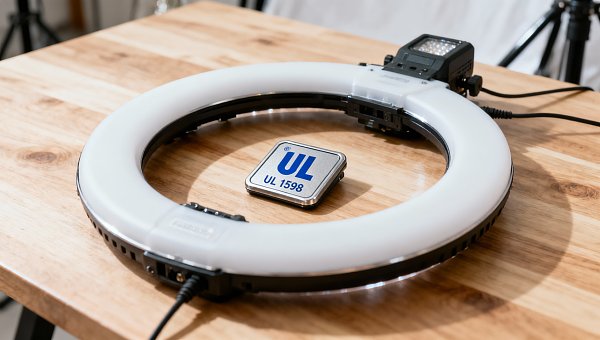
 Commercial LEDCPSC Recalls 3 Chinese LED Ring Lights for Missing UL CertificationCPSC recalls 3 Chinese LED ring lights for missing UL certification—critical alert for婚纱摄影 lighting exporters, Amazon sellers & retailers. Act now to avoid shipment holds and account penalties.Commercial Tech EditorApr 22, 2026
 Eco PackagingWEPACK Shenzhen 2026: BoCarbon’s PHA Paper Barrier System Draws Global Buyer ValidationBoCarbon’s PHA paper barrier system debuts at WEPACK Shenzhen 2026—certified, compostable & ideal for eco-luxury wedding photography backdrops and soft-light fabrics.Packaging Supply ExpertApr 22, 2026
 Eco PackagingEU REACH Annex XVII Adds Glitter Coating Restrictions from Jul 2026Glitter coating restrictions under EU REACH Annex XVII take effect July 2026 — vital for wedding photography prop exporters, importers & manufacturers. Act now!Packaging Supply ExpertApr 22, 2026