Industry News
Curation by industry experts
Hot Articles
Popular Tags
How to choose decorative lighting solutions by room purpose
Choosing the right decorative lighting solutions starts with understanding how each room functions, from relaxing living spaces to productive work areas. This guide explains how decorative lighting design, smart lighting technology, and commercial LED lighting solutions can be matched to room purpose, helping buyers and sourcing teams compare performance, style, and long-term value with greater confidence.
Why room purpose should drive decorative lighting decisions
Decorative lighting is often evaluated by appearance first, yet for procurement teams and distributors, room purpose is the more reliable starting point. A lounge, reception area, hotel corridor, restaurant dining zone, open office, and bedroom may all use pendant lights or wall fixtures, but they do not require the same beam spread, dimming behavior, color temperature, or maintenance plan. When these differences are ignored, the result is usually a mismatch between visual appeal and operational performance.
A practical room-based approach helps decision-makers organize requirements into 3 core layers: ambient illumination, decorative impact, and task support. In residential-style environments, decorative lighting solutions often need softer output in the 2700K–3000K range. In mixed-use commercial spaces, many buyers prefer 3000K–4000K to balance atmosphere and visual clarity. This simple distinction already reduces sourcing errors during early-stage vendor comparison.
For B2B buyers, room purpose also affects lifecycle cost. A decorative fixture chosen for a low-use guest room may perform well with moderate driver specifications, while a fitting used 10–12 hours per day in a hospitality corridor or retail environment needs stronger thermal management and more stable LED components. Decorative lighting design is therefore not only a style question; it is a use-case and operating-hour question.
Global Supply Review supports this decision process by helping sourcing teams compare decorative lighting solutions through an application-first lens. Instead of reviewing catalogs as isolated products, buyers can evaluate lighting by room purpose, installation condition, supply continuity, smart control compatibility, and long-term service expectations across international markets.
- Match fixture style to room identity, but confirm lumen output and glare control before final selection.
- Separate decorative goals from functional lighting needs so one fixture is not forced to solve every problem.
- Check operating hours, dimming frequency, and cleaning exposure, especially in hotel, retail, and restaurant projects.
- Review replacement parts and driver access if the project includes 50 units, 200 units, or larger rollouts.
What buyers usually miss in early selection
Many buyers compare decorative fixtures by finish, unit price, and visual rendering only. However, room purpose changes the importance of ingress protection, suspension stability, dimming protocol, and diffusion material. A decorative chandelier for a private living room can tolerate a different maintenance rhythm than a decorative pendant above restaurant tables that requires frequent cleaning and consistent light quality throughout evening service.
Another overlooked point is layered lighting. Decorative fixtures rarely perform best as the only light source in a room. In most successful decorative lighting design plans, one decorative focal fixture is paired with downlights, cove lighting, or wall washers. This 2-layer or 3-layer strategy improves comfort and gives procurement teams more flexibility on fixture specification and budget allocation.
How to choose decorative lighting solutions for each room type
Different rooms ask different questions. Is the room meant for rest, display, circulation, collaboration, or transaction? The answer determines not just the decorative fixture type but also mounting height, control logic, and expected brightness. For buyers managing residential, hospitality, office, or mixed-use projects, room-by-room specification creates a clearer procurement brief and reduces change orders during installation.
Living rooms, lounges, and reception areas benefit from decorative lighting solutions that create visual focus without producing harsh contrast. A central pendant, chandelier, or statement ceiling light can work well when paired with indirect lighting. Typical target conditions are warm to neutral white output, dimmable control, and balanced diffusion. In these spaces, decorative lighting design should prioritize mood, hospitality, and flexibility for day-to-evening use.
Bedrooms and guest rooms need softer visual transitions and lower glare. Decorative bedside sconces, compact pendants, and layered cove lighting are often preferred over single high-output fixtures. For procurement teams, the key check points include reading comfort, switch convenience, and light spill control. If the project is hospitality-based, fixture consistency across 20, 50, or 200 rooms becomes just as important as the look of an individual room.
Kitchens, dining rooms, cafés, and restaurant seating zones require more targeted planning. Over-island pendants, decorative linear fixtures, and table-focused suspension lights should support visibility of food, surfaces, and circulation. Buyers should verify material cleanability, shade durability, and dimming stability. In these rooms, 3000K is commonly used to maintain warmth, while beam control becomes important to avoid glare on glossy surfaces.
Work-focused and commercial rooms
Open offices, meeting rooms, and studio-style workspaces need decorative lighting to complement, not replace, task lighting. Decorative pendants may define collaboration zones, but commercial LED lighting solutions should still deliver sufficient uniform illumination for reading, screen use, and meetings. A decorative fixture that looks impressive in a catalog may underperform if installed over desks without proper spacing or output planning.
Retail stores and showrooms use decorative lighting for identity and customer guidance. Here, buyers should consider accent-to-ambient balance, ceiling height, and product reflectance. Decorative lighting solutions in retail often perform best when combined with track lights or spotlights. This allows branding and atmosphere to stay strong while merchandise remains clearly visible during operating periods of 8–14 hours per day.
Quick room-purpose selection guide
The table below helps buyers compare decorative lighting solutions by room purpose, typical lighting goals, and common specification priorities. It is useful for early sourcing discussions, distributor recommendations, and pre-quotation alignment.
This comparison shows why decorative lighting design cannot be standardized across all rooms. The same fixture family may suit several zones, but output, optics, finish, and control settings usually need adjustment. That is especially relevant for distributors handling cross-border projects where installation norms and user expectations vary by market.
Which technical factors matter most in decorative lighting design?
After room purpose is defined, technical screening becomes the next step. Buyers should not stop at style boards. Decorative lighting solutions need to be checked against color temperature, lumen package, color rendering, beam behavior, dimming compatibility, and maintenance accessibility. These parameters influence how a room feels, how products age in use, and how often replacements interrupt operations.
Color temperature is one of the fastest ways to align function with mood. Warm white, often 2700K–3000K, supports relaxation and hospitality settings. Neutral white, often 3000K–4000K, is more common in offices, retail, and multifunctional rooms. For decorative lighting design, the wrong color temperature can flatten finishes, distort interior materials, or make a premium environment feel too clinical.
Color rendering is equally important when decorative fixtures are installed near textiles, wood, stone, food, or retail merchandise. Buyers often request CRI 80 as a baseline, while more presentation-sensitive spaces may seek higher rendering performance depending on project goals. This is not only a visual issue; it affects how materials are perceived by guests, staff, and customers during daily use.
Dimming and controls deserve early verification, especially in smart lighting technology projects. Decorative fixtures may need phase dimming, 0–10V, DALI, or other common control approaches depending on building type. Problems often appear when stylish luminaires are selected first and control compatibility is checked later. In larger projects, that sequencing can delay commissioning by 1–2 weeks or trigger costly driver substitutions.
Technical screening table for procurement teams
For sourcing managers and business evaluators, the following table organizes the most relevant decorative lighting and commercial LED lighting solution checks into a practical review tool.
This table is especially useful when evaluating samples from multiple suppliers. It shifts discussion away from isolated styling claims and toward measurable fit-for-purpose criteria. For distributors and sourcing agents, that improves quotation clarity and supports better negotiation on substitute materials, driver brands, and control options.
A practical 4-step technical review
- Define the room function and daily operating period, such as 3–5 hours, 8–10 hours, or extended commercial use.
- Select target color temperature and control method according to mood and building system requirements.
- Review fixture construction, finish durability, and replacement access before finalizing sample approval.
- Confirm packing, installation instructions, and spare component availability for project rollout.
This 4-step method helps procurement teams avoid the common trap of approving decorative fixtures that look correct in a sample room but create support issues at scale.
How to compare suppliers, cost, and compliance without losing design intent
Decorative lighting sourcing rarely succeeds on design preference alone. Buyers also need to compare lead time, carton protection, component consistency, documentation quality, and relevant compliance pathways for the destination market. In practice, many decorative lighting solutions fail not because the fixture design is weak, but because the sourcing plan does not account for packaging damage, dimming mismatch, or inconsistent finish quality across production lots.
Lead time can vary significantly based on material complexity and customization. Standard decorative lighting products may move faster, while custom finishes, glass shades, or mixed-material assemblies can add 2–6 weeks depending on production scheduling and sample approval cycles. Procurement teams should ask for a breakdown that separates sampling, mass production, and shipment preparation rather than accepting a single broad promise.
Cost comparison should include more than unit price. A lower-cost fixture may use thinner metal, less stable coating, or drivers that complicate after-sales support. Meanwhile, a slightly higher-cost option may reduce replacement frequency and improve project perception. This matters for distributors and agents that protect margin not only at purchase but across installation performance, customer satisfaction, and return handling.
Compliance is also part of commercial risk management. Depending on target market and installation environment, buyers may need to verify electrical safety documentation, material declarations, and control-system compatibility. For hospitality and commercial LED lighting solutions, documentation quality can influence approval speed, customs handling, and final project acceptance.
Supplier comparison checklist
The table below helps sourcing teams compare decorative lighting suppliers on both product and execution factors. It can be used during RFQ review or distributor onboarding.
Used properly, this checklist helps preserve design intent while controlling supply risk. It is particularly valuable when decorative lighting design involves multiple SKUs, custom finishes, or integration with smart lighting technology across several room types.
Common compliance and project planning points
- Confirm the destination market’s electrical and labeling expectations before locking the BOM.
- Check dimming and smart control compatibility at the same time as electrical review, not afterward.
- Ask for packing test logic and fragile-part protection if the project includes glass, crystal, or oversized decorative shades.
- For project orders, define 3 support points in advance: spare parts, replacement lead time, and defect reporting flow.
FAQ: what procurement teams ask before placing decorative lighting orders
The questions below reflect common concerns from information researchers, sourcing managers, commercial evaluators, and distributors. They also capture the search intent behind many decorative lighting and commercial LED lighting solution inquiries.
How do I choose decorative lighting solutions when one project has multiple room types?
Start by grouping rooms into 3 functional categories: relaxation, task-focused, and transitional spaces. Then define one lighting family or design language that can be adapted through different sizes, wattages, finishes, or mounting forms. This approach keeps visual consistency while allowing technical adjustments. It also simplifies procurement because buyers can negotiate around one coordinated collection instead of sourcing every room separately.
For example, a hospitality project may use warm decorative pendants in lounge zones, compact bedside wall lights in guest rooms, and more durable corridor fixtures with easier maintenance access. The design language stays unified, but the functional specification changes by use pattern and service intensity.
What matters more in decorative lighting design: appearance or performance?
In B2B sourcing, appearance wins attention, but performance protects project value. A decorative fixture that photographs well but creates glare, flicker, maintenance difficulty, or replacement delays can damage both user experience and commercial results. The best decorative lighting solutions meet both goals by matching style with room purpose, operating hours, and control requirements.
A useful rule is to evaluate 5 factors together: visual identity, light quality, control compatibility, serviceability, and supply stability. If one of these is missing, the fixture may still look attractive but will be harder to scale across projects or distribution networks.
Are smart lighting technology features necessary for decorative fixtures?
Not always, but they are increasingly relevant in premium residential, hospitality, office, and retail settings. Smart lighting technology becomes more valuable when users need scene setting, occupancy-based response, scheduling, or centralized control. In decorative lighting design, smart control is most effective when it supports the room’s purpose rather than adding complexity for its own sake.
For procurement teams, the key is early compatibility review. Before approving a decorative fixture, confirm the driver type, dimming interface, and expected control behavior. This is especially important in projects that combine decorative and commercial LED lighting solutions under one building management approach.
What is a reasonable lead-time expectation for decorative lighting orders?
Lead time depends on whether the product is standard, modified, or fully customized. In many cases, sample review can take 7–15 days for standard adaptations and longer for custom materials or structural changes. Production often requires several additional weeks depending on volume, finish complexity, and packaging needs. Buyers should ask for stage-based timing rather than one combined estimate.
A useful planning model includes 3 stages: sample confirmation, production, and shipment preparation. This provides a clearer view of risk points and helps commercial evaluators compare suppliers more accurately.
Why work with Global Supply Review for decorative lighting sourcing intelligence
Global Supply Review helps buyers move beyond product browsing and toward better sourcing decisions. In decorative lighting, that means comparing room-purpose fit, technical performance, supplier readiness, and project scalability in one decision framework. For procurement professionals, distributors, and business evaluators, this reduces the time spent filtering inconsistent offers and improves confidence when selecting decorative lighting solutions for cross-border projects.
Because the lighting market now demands stronger coordination between design, controls, compliance, and delivery, a sourcing partner must understand more than fixture aesthetics. GSR supports this by focusing on practical evaluation points such as application suitability, smart lighting technology relevance, commercial LED lighting solution compatibility, and documentation clarity for international trade environments.
If you are comparing suppliers, narrowing a room-by-room specification, or preparing a distributor portfolio, GSR can help structure the review. Typical consultation topics include parameter confirmation, decorative lighting design options by room purpose, lead-time planning, sample support strategy, certification and documentation questions, and quotation comparison across multiple sourcing paths.
Contact Global Supply Review to discuss your next decorative lighting project in a more targeted way. You can request support for product selection, smart control matching, commercial LED lighting solutions for mixed-use spaces, finish and material comparison, delivery cycle assessment, and supplier shortlisting based on your market and project requirements.
- commercial led lighting
- commercial led lighting solutions
- GSR
- smart lighting
- lighting solutions
- lighting technology
- lighting design
- lighting suppliers
- decorative lighting
- task lighting
- ambient lighting
- decorative lighting supplier
- decorative lighting solutions
- decorative lighting design
- smart lighting technology
- decorative lighting sourcing
Recommended News
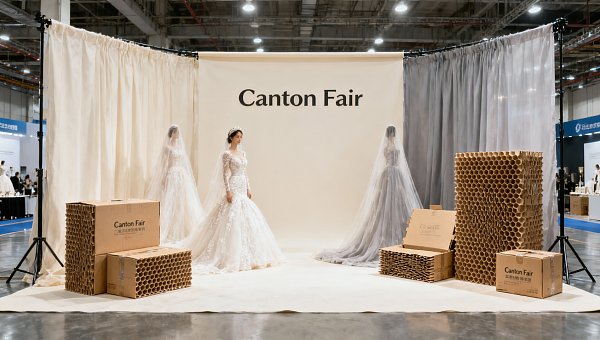
 Eco PackagingCanton Fair Wedding Photo Props Zone Sees 37% YoY GrowthWedding photo props at Canton Fair surge 37% YoY—biodegradable packaging & magnetic modular backdrops lead global demand. Discover key trends now!Packaging Supply ExpertApr 24, 2026
 Export UpdatesChina Customs Launches Beta 'Wedding Photo Props Export Compliance Self-Check Platform'Wedding photo props exporters: Use China Customs’ new beta Self-Check Platform for real-time export compliance guidance on HS codes like 9405.40, 4202.92 & 6307.90 — avoid delays in US, EU, ASEAN & Middle East markets.Apr 24, 2026
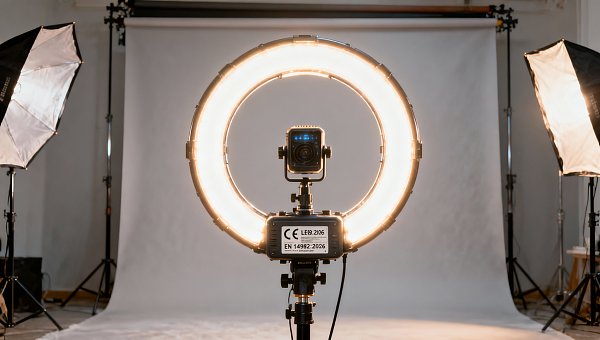
 Commercial LEDEN 14982:2026 Effective: LED Softlight Devices for Wedding Photography Must Pass Enhanced EMC Immunity TestsLED softlight devices for wedding photography must now pass enhanced EMC immunity tests per EN 14982:2026 — ensure CE compliance before EU market entry!Commercial Tech EditorApr 24, 2026
 Carton & PlasticsUS CPSC Recalls 7 Chinese Wedding Backdrop Makers for FormaldehydeUS CPSC recalls 7 Chinese wedding backdrop makers for formaldehyde—critical alert for婚纱摄影 exporters, MDF suppliers & US importers. Act now to avoid detention & liability.Packaging Supply ExpertApr 24, 2026