Industry News
Curation by industry experts
Hot Articles
Popular Tags
Are High Back Ergonomic Office Chairs Better for Full Day Use
For buyers evaluating high back ergonomic office chairs for full-day use, comfort is only one part of the decision. From ergonomic office chairs with headrest to office furniture for small spaces, today’s sourcing choices must balance health, durability, design, and commercial value. This guide helps procurement teams, distributors, and market researchers compare what truly matters before selecting the right seating solution.
In the furniture and decor segment, seating is closely linked to textile and leather material performance. For full-day office use, the real question is not simply whether a high back ergonomic office chair feels supportive in a showroom. It is whether the upholstery, foam, frame, and adjustment system can deliver reliable comfort for 6 to 10 hours per day, hold up across 2 to 5 years of commercial use, and match the buyer’s target market positioning.
That makes high back ergonomic office chairs a sourcing topic with direct relevance for textile buyers, leather product evaluators, office furniture distributors, and commercial procurement teams. Fabric breathability, PU or genuine leather wear resistance, stitching quality, abrasion performance, and cleaning requirements all influence long-term value. For B2B decision-makers, these factors matter as much as lumbar support or seat height range.
Why High Back Ergonomic Office Chairs Often Perform Better in Full-Day Work Environments
A high back ergonomic office chair is generally better for full-day use when the user remains seated for extended blocks of time, typically 4 hours or more without frequent movement. The extended backrest supports not only the lumbar area but also the thoracic spine, shoulder zone, and, in many designs, the head and neck through an integrated or adjustable headrest. This broader contact area reduces pressure concentration across the lower back.
However, the benefit depends on build quality and material selection. A poorly designed high back chair can create heat buildup, shoulder restriction, or premature upholstery failure. This is especially relevant in textile and leather-based seating, where the choice between mesh, woven fabric, microfiber, bonded leather, PU leather, or top-grain leather changes airflow, touch, maintenance, and service life.
For procurement teams furnishing open-plan offices, call centers, design studios, and executive rooms, high back models are most effective when users spend 6 to 9 hours seated and require support during typing, virtual meetings, and short recline intervals. In environments with shared seating, adjustability matters even more because one chair may need to fit users from roughly 160 cm to 190 cm in height range.
Where the High Back Design Adds Practical Value
The strongest advantage appears in commercial settings where employees work in fixed desk positions for most of the day. High back ergonomic office chairs with headrest support can reduce upper-body fatigue during long monitor-based tasks, especially when recline angles of 100° to 120° are used periodically. That makes them suitable for management teams, analysts, customer support centers, and hybrid work environments.
From a buyer’s perspective, the value also extends to product positioning. High back chairs are often perceived as more premium than mid-back chairs, which helps distributors serving executive office furniture channels or commercial fit-out projects. In mid- to upper-tier projects, the visual profile of a high back chair can influence purchasing decisions as much as the technical specification.
Key use conditions to assess
- Average daily sitting time: less than 4 hours, 4–6 hours, or 6–10 hours.
- User turnover: single user assignment or shared workstation rotation.
- Climate exposure: air-conditioned office, humid region, or hot environment.
- Brand positioning: value segment, project grade, or executive-grade seating.
How Textile and Leather Upholstery Affect Full-Day Comfort and Product Life
In full-day seating, upholstery material directly affects thermal comfort, surface wear, cleaning cycle, and visual aging. For textile and leather product buyers, this is where many sourcing mistakes occur. Two chairs can share the same frame and mechanism, yet perform very differently after 12 to 18 months because of the cover material, foam density, seam construction, and abrasion resistance.
Fabric office chairs usually offer better breathability for long sitting periods. Woven polyester, nylon blends, and technical upholstery fabrics are common in commercial projects because they are cost-efficient, available in multiple colors, and easier to align with modern workspace aesthetics. In warm climates or high-occupancy offices, breathable textiles can improve user acceptance over an 8-hour day.
Leather and leather-look surfaces appeal to premium channels, but not all options perform equally. Genuine leather offers a more refined hand feel and better aging characteristics in executive settings, while PU leather is often selected for price-sensitive distribution. For intensive use, buyers should pay attention to surface cracking risk, hydrolysis resistance, backing strength, and cleaning compatibility with common commercial disinfectants.
Material comparison for B2B buyers
The table below compares typical upholstery choices used in high back ergonomic office chairs for full-day commercial applications. The ranges are general sourcing references and should be verified during sample approval and testing.
For most all-day operational seating, mesh-backed or fabric-upholstered high back chairs deliver the most balanced result in comfort and maintenance. Leather-based options are better suited to image-led spaces or lower daily sitting intensity unless the buyer is targeting a premium executive segment with a clear maintenance plan.
What to request from suppliers
- Abrasion or wear test range for textile surfaces.
- Foam density information, often in the 30–55 kg/m³ range for commercial seats and backs.
- Cleaning guidance for fabric, PU, or leather finishes.
- Sample swatches showing seam quality, backing, and color consistency.
The Core Specifications Buyers Should Compare Before Sourcing
When comparing high back ergonomic office chairs for full-day use, buyers should evaluate the chair as a system rather than as a silhouette. Upholstery matters, but seat depth, lumbar function, armrest adjustability, tilt mechanism, gas lift stability, and caster quality all influence commercial performance. A well-upholstered chair with weak mechanics will still generate complaints within the first 6 to 12 months.
For general office procurement, the most practical specification set includes adjustable seat height, reclining lock positions, defined lumbar support, and a headrest that supports natural neck alignment rather than pushing the head forward. In project sourcing, buyers also need to check carton dimensions, assembly time, replacement part availability, and warranty terms because these factors affect total deployment cost.
Office furniture for small spaces adds another layer of evaluation. High back does not always mean oversized. Some slim-profile chairs combine a narrower back frame, compact base footprint, and breathable textile structure, making them suitable for dense workstation layouts where aisle width and workstation clearance are limited.
Recommended specification checkpoints
The following matrix is useful for sourcing teams reviewing quotations from multiple factories or distributors. It focuses on practical parameters that affect daily use, after-sales risk, and buyer satisfaction.
This comparison shows that the best full-day chair is usually the one with balanced adjustability and durable material construction rather than the tallest backrest alone. Buyers should match these numbers to the user group, target price band, and expected replacement cycle.
Shortlisting criteria for procurement teams
- Set the project category: staff seating, executive seating, or mixed-use allocation.
- Define target use hours per day and expected service life, such as 2 years, 3 years, or 5 years.
- Confirm upholstery preference by climate, cleaning frequency, and brand image.
- Review adjustment features against real user needs instead of paying for unused complexity.
- Request samples for sit-testing and material evaluation before volume commitment.
Commercial Risks, Cost Traps, and Common Buying Mistakes
One of the most common mistakes in office chair procurement is assuming that a high back structure automatically means better ergonomics. In reality, chairs with fixed lumbar shapes, low-resilience foam, or low-grade upholstery may create discomfort after 2 to 3 hours of use. Full-day suitability depends on how the seating components work together under repeated load, not on appearance alone.
Another cost trap is overbuying premium surface materials for environments that do not need them. Genuine leather may be appropriate for executive suites or boardrooms, but it can be inefficient in high-turnover staff areas where stain resistance, airflow, and simplified replacement matter more. In many cases, a durable technical fabric or mesh-backed option delivers lower total ownership cost over a 24- to 36-month period.
Distributors and sourcing teams should also watch for hidden post-purchase costs. Chairs that arrive with high assembly complexity, weak packaging, or inconsistent parts can generate extra labor time, product returns, and project delays. Even a 10-minute increase in assembly time per unit becomes significant in installations of 100 to 500 chairs.
Red flags during supplier evaluation
- No clear material description for fabric composition, PU thickness, or leather grade.
- No information on foam density, load guidance, or recline mechanism type.
- Only showroom photos without seam, edge, zipper, or underside construction details.
- Unclear spare parts policy for casters, arm pads, headrests, or gas lifts.
- Unrealistically broad warranty claims without usage limitations or replacement procedures.
How to reduce sourcing risk
A practical risk-control method is to run a 3-stage evaluation: document review, sample inspection, and pilot use. In the document stage, verify material descriptions and commercial specifications. In the sample stage, inspect stitching, foam recovery, upholstery tension, and base stability. In the pilot stage, place 5 to 10 units in actual use for 2 to 4 weeks and collect user feedback before signing larger orders.
This process is especially valuable in textile and leather-backed office furniture because wear behavior is not always visible on day one. Surface wrinkling, seam stress, and heat retention often become clear only after repeated use. A short pre-deployment trial can prevent costly replacement cycles later.
A Practical Buying Framework for Procurement Teams and Distributors
For B2B buyers, the best decision framework combines user ergonomics, material suitability, commercial durability, and distribution practicality. A high back ergonomic office chair is usually the better choice for full-day use when the end user spends more than 6 hours seated, needs upper-back and neck support, and works in a role with extended screen time. But that recommendation should always be filtered through material performance and layout realities.
Textile and leather product specialists should work closely with furniture sourcing teams because upholstery choices affect both user comfort and market fit. For example, distributors targeting startup offices and co-working projects may prioritize breathable fabric, compact dimensions, and faster replacement logistics. By contrast, dealers serving executive renovations may place greater emphasis on leather appearance, finer stitching, and presentation value.
The table below can be used as a quick decision guide when matching chair type to application. It helps compare seating strategy by user profile, finish preference, and commercial priorities.
The most effective sourcing strategy is rarely one-size-fits-all. Instead, it aligns material, ergonomics, and use intensity. Buyers that evaluate chairs through this lens usually achieve better user satisfaction, fewer returns, and stronger assortment logic across different office furniture channels.
FAQ for sourcing and evaluation
Are high back ergonomic office chairs always better than mid-back chairs?
Not always. They are usually better for users seated 6 hours or more per day, especially when neck and shoulder support matters. Mid-back chairs can still be suitable for meeting rooms, touchdown spaces, and lower-duration tasks of 2 to 4 hours.
Which upholstery is best for warm climates?
Mesh backs and breathable woven fabrics are generally the safest choice for warm or humid environments. They reduce heat buildup and are often better for continuous use than dense PU surfaces.
What is a reasonable commercial testing approach before volume purchase?
A practical route is sample review followed by a 2- to 4-week pilot with 5 to 10 chairs. This gives enough time to evaluate fit, upholstery behavior, cleaning ease, and user feedback before scaling the order.
How important is the headrest in full-day use?
It is useful when users recline periodically, work long screen hours, or experience neck fatigue. It is less critical in highly active seating environments where users stand and move frequently.
For full-day office use, high back ergonomic office chairs are often the better option when they combine sound ergonomic engineering with upholstery materials suited to the actual work environment. Textile, mesh, PU, and leather choices each serve different commercial goals, and the right selection depends on sitting duration, climate, maintenance needs, and market positioning.
For procurement teams, distributors, and market researchers, the strongest buying decisions come from comparing not only chair features but also material performance, durability expectations, and deployment efficiency. If you are reviewing sourcing options in office seating, GSR can help you assess supplier capabilities, product positioning, and commercial-fit solutions across furniture, textiles, and leather-based applications. Contact us to discuss tailored sourcing insights, product comparisons, or category-specific recommendations.
Recommended News
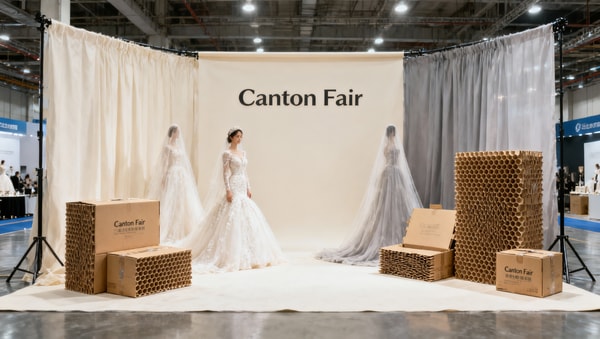
 Eco PackagingCanton Fair Wedding Photo Props Zone Sees 37% YoY GrowthWedding photo props at Canton Fair surge 37% YoY—biodegradable packaging & magnetic modular backdrops lead global demand. Discover key trends now!Packaging Supply ExpertApr 24, 2026
 Export UpdatesChina Customs Launches Beta 'Wedding Photo Props Export Compliance Self-Check Platform'Wedding photo props exporters: Use China Customs’ new beta Self-Check Platform for real-time export compliance guidance on HS codes like 9405.40, 4202.92 & 6307.90 — avoid delays in US, EU, ASEAN & Middle East markets.Apr 24, 2026
 Commercial LEDEN 14982:2026 Effective: LED Softlight Devices for Wedding Photography Must Pass Enhanced EMC Immunity TestsLED softlight devices for wedding photography must now pass enhanced EMC immunity tests per EN 14982:2026 — ensure CE compliance before EU market entry!Commercial Tech EditorApr 24, 2026
 Carton & PlasticsUS CPSC Recalls 7 Chinese Wedding Backdrop Makers for FormaldehydeUS CPSC recalls 7 Chinese wedding backdrop makers for formaldehyde—critical alert for婚纱摄影 exporters, MDF suppliers & US importers. Act now to avoid detention & liability.Packaging Supply ExpertApr 24, 2026