Industry News
Curation by industry experts
Hot Articles
Popular Tags
Why Some Stainless Steel Heavy Duty Hinges Still Rust
Many buyers assume heavy duty hinges stainless steel will never corrode, yet real-world performance depends on alloy grade, surface treatment, environment, and installation quality. For sourcing teams in industrial, commercial, and textile manufacturing company supply chains, understanding why some heavy duty hinges for cabinets still rust is essential to avoiding product failure, warranty claims, and procurement risk.
In textile and leather goods production, hinges are not a minor accessory. They are used on machine guards, chemical storage cabinets, drying room doors, maintenance access panels, sample archives, tool enclosures, and transport cases. When rust appears after 3 to 12 months instead of the expected multi-year lifecycle, the result can be contamination risk, difficult cleaning, reduced load performance, and avoidable replacement cost.
For procurement specialists, distributors, and commercial evaluators, the question is not simply whether a hinge is labeled “stainless steel.” The more relevant question is whether the hinge specification matches the real operating environment: humidity above 70%, chloride exposure from cleaning agents, tannery chemicals, dye-house vapors, coastal storage, or repeated washdown cycles. This article explains why some stainless steel heavy duty hinges still rust and how to source the right option for textile and leather industry applications.
Why “Stainless” Does Not Mean Rust-Proof in Textile and Leather Facilities
Stainless steel resists corrosion because chromium in the alloy forms a passive oxide film. In many industrial hinge applications, that layer is only a few nanometers thick, yet it is critical. If the film is damaged and cannot reform properly, visible rust spots, tea staining, or crevice corrosion may follow. That is why stainless steel is corrosion-resistant, not corrosion-immune.
In textile mills, finishing plants, and leather workshops, the environment is often harsher than buyers expect. Relative humidity can remain between 60% and 85% in some areas. Steam, detergent residue, tanning chemicals, acidic compounds, and airborne lint can trap moisture on hinge surfaces. Even a hinge installed indoors may experience a corrosion load similar to a semi-industrial outdoor setting if ventilation is poor and cleaning frequency is high.
Another issue is contamination from carbon steel tools or nearby components. If installers use grinding discs, drills, or fasteners that leave iron particles on the hinge surface, those particles can rust first and create the impression that the stainless steel itself has failed. In practice, this is a common root cause on mixed-material production lines where stainless hardware is mounted onto painted steel cabinets or machine frames.
Common corrosion triggers in factory hardware zones
Procurement teams should map hinge placement before ordering. Corrosion performance on a sample board in a dry office does not predict performance in a dye house, wet processing corridor, or leather finishing room. A hinge near wash stations may face 2 to 5 cleaning cycles per week, while a hinge on a rarely opened archive cabinet may only need moderate corrosion resistance.
- High humidity zones above 70% RH for extended periods
- Exposure to chlorides from cleaners, salt air, or process water
- Contact with acidic or alkaline residues from textile and leather chemicals
- Crevice areas where lint, dust, or moisture remain trapped for 24 to 72 hours
- Iron contamination during fabrication, installation, or maintenance
The table below summarizes how typical corrosion drivers affect heavy duty hinges for cabinets and equipment enclosures in textile and leather operations.
The key takeaway is simple: corrosion risk rises when alloy choice, finishing quality, and the real process environment are not aligned. This is especially important when the same facility contains both dry assembly zones and wet chemical zones that require different hinge specifications.
Material Grade and Surface Finish: The Most Overlooked Sourcing Variables
One of the main reasons some stainless steel heavy duty hinges still rust is the use of an unsuitable grade. In the market, 201, 202, 304, and 316 stainless steel may all be described casually as stainless, but their corrosion performance is not equal. For indoor dry storage, 201 or 202 may appear acceptable on price. For humid textile finishing rooms or leather processing areas, 304 is often the practical minimum, while 316 is preferred where chloride exposure is recurring.
Surface finish also matters. A rough or poorly polished hinge creates more sites for moisture retention and contaminant buildup. A smoother finish, such as a properly controlled brushed or polished surface, is easier to clean and less likely to trap fibers, finishing dust, or chemical residue. In cabinet and enclosure applications, the difference between a low-finish stamped part and a passivated, consistently polished part becomes visible within 6 to 18 months.
Pin material is another weak point. Some low-cost hinges use a stainless leaf but a lower-grade pin, bushing, or washer. Corrosion often begins at the pin line, then spreads outward. Buyers evaluating only the visible leaf material can miss the true failure point. This is particularly relevant for heavy duty hinges for cabinets that are opened more than 20 to 50 times per day in maintenance or process control areas.
Practical grade selection for industry use
The table below offers a practical, non-branded selection guide for textile and leather sector buyers comparing common hinge material options.
The sourcing lesson is not to default to the cheapest stainless option. Instead, match grade, finish, and assembly details to duty cycle and exposure profile. A 15% to 30% increase in unit price can be justified if it prevents line disruption, rework, or contamination complaints later.
What to ask suppliers before approval
- Is the leaf, pin, and washer material the same grade, or are mixed metals used?
- What is the surface finish process, and is passivation available?
- What door weight range is recommended, such as 20 kg, 40 kg, or 80 kg per pair?
- Has the hinge been used in high-humidity industrial cabinets rather than only residential furniture?
- Can the supplier provide a salt spray reference range or environmental suitability statement without overclaiming?
Installation and Maintenance Errors That Cause Premature Rust
Even a correctly specified hinge can corrode early if installation practices are poor. In textile and leather factories, maintenance teams often work under shutdown pressure and may mix fasteners, skip surface cleaning, or mount hardware onto contaminated panels. If carbon steel screws are used with stainless hinges, galvanic and contact corrosion risks increase, especially where moisture is present for more than 8 to 12 hours at a time.
Alignment also affects corrosion. A misaligned heavy duty hinge creates abnormal friction at the knuckle and pin. This can wear the protective surface, expose fresh metal, and retain debris in microscopic gaps. Once chemical residue or wet lint enters the stressed area, the hinge becomes harder to clean and corrosion accelerates. The issue may first appear as brown staining around the pivot rather than across the full leaf.
Maintenance routines frequently focus on lubrication but ignore cleaning chemistry. Some facilities use highly chlorinated or acidic agents to clean cabinets, machine covers, or storage boxes. If residues remain on the hinge after each washdown, corrosion risk compounds over time. In a weekly cleaning program, that means more than 50 exposure events per year on the same part.
A 5-step installation control checklist
A practical installation protocol reduces early failure and gives procurement teams a measurable acceptance standard across sites and contractors.
- Verify material consistency between hinge, screws, washers, and mounting surface inserts.
- Clean the installation area to remove iron dust, grinding residue, oils, and chemical splashes.
- Check door alignment and load distribution before final torqueing.
- Use non-abrasive tools or protective methods to avoid scratching visible surfaces.
- Rinse and dry hinges after aggressive cleaning cycles, especially in wet process areas.
The table below can be used as a simple receiving and maintenance review guide for industrial cabinet hinges in textile and leather environments.
These are low-cost controls, yet they have a direct effect on lifecycle value. For buyers managing multiple plants, standardizing a 4-point or 5-point hinge installation checklist can reduce inconsistent field performance more effectively than repeatedly changing suppliers.
How Procurement Teams Should Evaluate Heavy Duty Hinges for Cabinets and Equipment
A strong sourcing decision starts with application segmentation. Not every hinge in a textile or leather operation needs the same specification. It is more efficient to group demand into at least 3 categories: dry interior cabinets, humid process-zone enclosures, and washdown or chemical-adjacent doors. This prevents overbuying premium material for low-risk areas while reducing under-specification in critical zones.
Commercial evaluators should also compare total cost of ownership rather than unit price only. If a lower-cost hinge must be replaced every 9 to 18 months, while a better-specified hinge lasts 24 to 60 months in the same environment, the labor, downtime, and safety impact can outweigh initial savings. This is particularly relevant for distributors or agents supporting end users with maintenance contracts.
Four decision criteria that matter most
- Environmental fit: humidity, chemical exposure, indoor or semi-outdoor use, and cleaning frequency.
- Mechanical fit: door weight, opening frequency, hinge size, and mounting style.
- Material consistency: same-grade leaf, pin, and related hardware to avoid hidden weak points.
- Supplier response capability: sample lead time, document clarity, and ability to support replacement planning.
For example, a maintenance cabinet in a sewing assembly hall may only need 304 stainless with moderate duty performance. A chemical storage door in a dyeing or finishing section may justify 316 stainless and tighter cleaning procedures. Buyers should document these distinctions in RFQs rather than requesting a single “stainless heavy duty hinge” for every plant location.
Typical RFQ details worth including
Better RFQs produce better quotations and fewer disputes after delivery. Include measurable details whenever possible.
- Door or panel weight per hinge set, such as 25 kg, 50 kg, or 80 kg.
- Opening frequency range, for example less than 10 cycles per day or more than 40 cycles per day.
- Cleaning method and frequency, such as weekly washdown or daily wipe-down with detergent.
- Installation environment: humidity range, proximity to process chemicals, and coastal distance if relevant.
- Expected service interval before inspection or planned replacement.
For sourcing hubs like GSR serving global buyers, this level of specification supports more reliable supplier comparisons, clearer negotiation, and stronger long-term vendor qualification across hardware used in textile and leather production assets.
FAQ and Action Plan for Reducing Corrosion Risk
How can a stainless hinge rust if the material is genuine?
The most common reasons are unsuitable grade selection, iron contamination, trapped moisture, chloride exposure, and poor cleaning practice. Genuine stainless steel can still stain or pit when the passive layer is repeatedly attacked. In textile and leather settings, this often happens around pin joints, mounting holes, and areas exposed to chemical residue.
Is 304 stainless enough for all textile factory cabinet hinges?
No. 304 is often suitable for general indoor use, but it may be inadequate in high-chloride or frequent washdown zones. If cabinets are located near dyeing, wet finishing, or coastal ventilation paths, 316 may be a better risk-control choice. The correct answer depends on exposure conditions, not just indoor versus outdoor classification.
What early warning signs should maintenance teams watch for?
Look for discoloration around the pin, rust-like spotting near screw heads, binding during opening, residue buildup in the knuckle, and repeat staining after cleaning. A quarterly check every 3 months is a reasonable starting point in moderate-risk areas, while wet zones may justify monthly inspection.
What is the most practical way to reduce procurement risk?
Segment applications, define environmental conditions in the RFQ, request material consistency details, and test samples in the real operating zone for a short review period. Even a 30-day to 90-day field observation can reveal whether a hinge finish is likely to hold up under actual cleaning and humidity exposure.
Recommended next steps for buyers and channel partners
- Audit current hinge failures by location, environment, and time-to-rust.
- Separate dry-area demand from wet or chemical-exposed demand.
- Revise supplier questionnaires to include grade, pin material, finish, and cleaning compatibility.
- Introduce receiving inspection and installation controls across all relevant sites.
- Use lifecycle cost, not just piece price, when approving future orders.
Some stainless steel heavy duty hinges still rust because the label alone does not define performance. In textile and leather industry environments, corrosion resistance depends on the right grade, the right finish, the right installation method, and the right maintenance routine. Buyers who evaluate these 4 factors together are far more likely to reduce failure rates, stabilize operating cost, and improve procurement decisions across cabinets, enclosures, and equipment access doors.
If you are reviewing hinge specifications for textile or leather production assets, now is the right time to compare materials by actual environment rather than by generic catalog description. Contact GSR to discuss sourcing benchmarks, request tailored evaluation guidance, or explore more hardware and supply chain solutions aligned with industrial manufacturing needs.
Recommended News
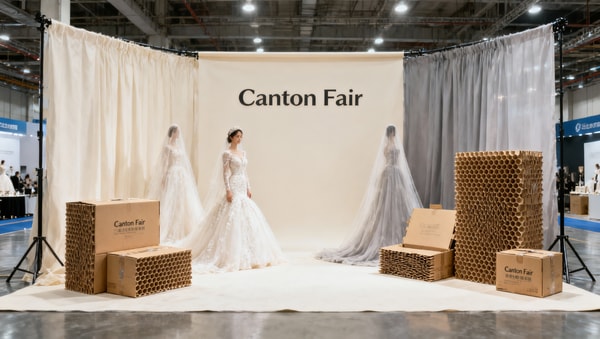
 Eco PackagingCanton Fair Wedding Photo Props Zone Sees 37% YoY GrowthWedding photo props at Canton Fair surge 37% YoY—biodegradable packaging & magnetic modular backdrops lead global demand. Discover key trends now!Packaging Supply ExpertApr 24, 2026
 Export UpdatesChina Customs Launches Beta 'Wedding Photo Props Export Compliance Self-Check Platform'Wedding photo props exporters: Use China Customs’ new beta Self-Check Platform for real-time export compliance guidance on HS codes like 9405.40, 4202.92 & 6307.90 — avoid delays in US, EU, ASEAN & Middle East markets.Apr 24, 2026
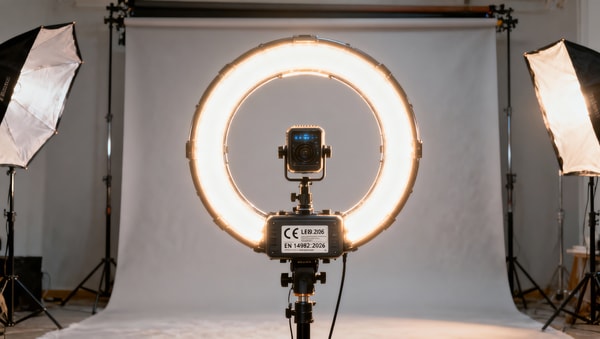
 Commercial LEDEN 14982:2026 Effective: LED Softlight Devices for Wedding Photography Must Pass Enhanced EMC Immunity TestsLED softlight devices for wedding photography must now pass enhanced EMC immunity tests per EN 14982:2026 — ensure CE compliance before EU market entry!Commercial Tech EditorApr 24, 2026
 Carton & PlasticsUS CPSC Recalls 7 Chinese Wedding Backdrop Makers for FormaldehydeUS CPSC recalls 7 Chinese wedding backdrop makers for formaldehyde—critical alert for婚纱摄影 exporters, MDF suppliers & US importers. Act now to avoid detention & liability.Packaging Supply ExpertApr 24, 2026