Industry News
Curation by industry experts
Hot Articles
Popular Tags
What Restaurants Overlook When Replacing Patio Umbrellas
Replacing patio umbrellas for a restaurant is rarely just a styling refresh. In commercial outdoor dining, the biggest mistakes happen when buyers focus on size, color, or unit price and ignore wind performance, frame strength, fabric grade, base stability, lighting integration, and replacement logistics. For hospitality procurement teams, the better question is this: will the new umbrellas reduce operational risk, support brand presentation, and hold up under daily use without creating hidden maintenance costs?
That is where many restaurant teams miscalculate. A patio umbrella that looks acceptable on a product page may fail quickly in a windy terrace, fade within one season, wobble under repeated opening and closing, or create service issues once LED components or replacement parts are needed. For buyers comparing patio umbrellas for restaurants, especially wind resistant patio umbrellas and patio umbrellas with LED lights, replacement decisions should be treated as an operational and sourcing decision, not a decorative purchase.
What restaurants most often overlook when replacing patio umbrellas
The most common oversight is assuming the replacement criteria are the same as the original buying criteria. In reality, once a restaurant has experienced wear, complaints, breakage, or poor weather performance, the replacement phase should be based on field performance data, not initial visual preference.
Restaurants often overlook five practical issues:
- Actual wind exposure at the site, not just the supplier’s generic wind claim
- Commercial-duty opening frequency, especially for venues that open and close umbrellas daily
- Fabric degradation from UV, grease, moisture, and cleaning chemicals
- Base compatibility and anchoring with existing furniture layouts and flooring conditions
- Spare parts and after-sales support for ribs, canopies, hubs, lights, and fasteners
These are not minor technicalities. They directly affect safety, guest comfort, visual consistency, and replacement cycle cost. A cheaper model that fails in one season is often more expensive than a higher-grade unit that lasts through several peak periods.
Why style and price alone are poor decision filters
Many replacements begin with a simple goal: match the previous look, stay within budget, and install quickly. That approach is understandable, but in commercial hospitality settings it often leads to repeat procurement problems.
Style matters because umbrellas influence curb appeal, branding, and guest perception. Price matters because outdoor fit-outs must meet budget targets. But neither factor predicts lifecycle value on its own.
A low-cost umbrella may carry hidden costs such as:
- More frequent canopy replacement due to fading or tearing
- Frame instability during moderate wind
- Staff time spent moving, securing, or troubleshooting units
- Negative guest experience from poor shade coverage or rattling structures
- Unexpected full-set replacement because parts are unavailable
For procurement and business evaluation teams, the more useful metric is total cost of ownership. That includes purchase price, expected service life, maintenance burden, downtime risk, parts availability, and visual consistency across locations.
Wind resistance is not just a product feature, but a site-specific requirement
One of the biggest errors buyers make is treating “wind resistant” as a universal specification. In practice, wind performance depends on where and how the umbrella will be used.
A sidewalk café on a sheltered street has very different needs from a rooftop bar, beachfront venue, hotel terrace, or restaurant with open-corner exposure. Procurement teams should evaluate:
- Average and peak wind conditions by location
- Whether gusts are funnelled between buildings
- Whether umbrellas stay open for long daytime service windows
- How often staff can realistically close units during weather changes
- Whether local regulations or insurance considerations apply
When assessing wind resistant patio umbrellas, buyers should look beyond broad marketing claims and ask more specific sourcing questions:
- What frame material is used: aluminum, steel, fiberglass, or mixed construction?
- How are ribs reinforced at stress points?
- What base weight is recommended for this exact canopy size?
- Is the umbrella vented, and how is the vent engineered?
- Are there tested wind thresholds under controlled conditions?
- What are the usage limitations during gusty or storm-prone periods?
For restaurants, true wind suitability is usually a system issue, not just a canopy issue. Frame design, rib flexibility, venting, base mass, anchoring method, and operating discipline all work together.
Frame and base selection often matter more than canopy appearance
Many replacement projects pay close attention to canopy fabric and color while under-evaluating the mechanical structure underneath. Yet frame and base failures are among the most common reasons commercial umbrellas are retired early.
Buyers should pay particular attention to:
- Frame material: Powder-coated aluminum is common for corrosion resistance and weight balance; steel may offer strength but can create rust concerns in humid or coastal areas.
- Rib construction: Heavy-duty ribs and reinforced joints are essential for repeated commercial use.
- Mast diameter and wall thickness: These affect stability and long-term rigidity.
- Opening mechanism: Pulley, crank, push-up, or cantilever systems should match staff capability and service frequency.
- Base design: Freestanding, bolted, in-ground, or table-integrated solutions have different safety and layout implications.
A common mistake is reusing old bases without confirming compatibility with the new umbrella’s mast size, height, canopy span, and center of gravity. Restaurants may save short-term cost this way but increase tipping risk and structural stress.
If the site is exposed, base calculations should be conservative. If layouts are tight, ensure bases do not create trip hazards or interfere with chair movement and service routes.
Fabric performance affects brand image more than many teams expect
To guests, the umbrella canopy is the most visible part of the product. When it fades, wrinkles excessively, stains easily, or sags unevenly, the entire outdoor dining area looks neglected. This is especially important for chains, hotels, premium cafés, and restaurants with strong visual branding.
Commercial buyers should assess fabric based on more than color matching. Useful criteria include:
- UV resistance and colorfastness
- Water repellency and drying performance
- Mildew resistance in humid climates
- Tear strength and seam durability
- Ease of cleaning food, grease, and beverage stains
- Print suitability for logos or branded graphics
In the textiles and outdoor furnishing supply chain, fabric quality has a major impact on replacement intervals. Solution-dyed acrylic and other higher-grade outdoor textiles generally perform better than lower-cost polyester in demanding hospitality use, although the right choice still depends on climate, budget, and branding needs.
For sourcing managers, the real issue is consistency. Can the supplier reproduce the same fabric shade, finish, and construction across multiple orders or multiple sites? That is often more important than a single sample looking good at the beginning.
LED lighting features can add value, but only if operations and maintenance are considered
Patio umbrellas with LED lights are increasingly attractive for restaurants that want to extend evening trading hours, improve atmosphere, or reduce the need for separate outdoor lighting fixtures. But many buyers evaluate the visual effect without checking the operational details.
Before specifying illuminated umbrellas, ask:
- What powers the lights: battery, solar, wired, or rechargeable system?
- How long does the lighting last during real evening service?
- What is the brightness level and color temperature?
- Are components weather-protected for commercial outdoor use?
- Can LED strips, batteries, or control modules be replaced easily?
- Will the lighting system complicate cleaning, folding, or off-season storage?
For some venues, integrated lighting creates a clear business case by improving ambience and reducing dependence on overhead fixtures. For others, especially high-turnover or weather-exposed operations, the added maintenance may outweigh the benefit.
The decision should come down to service model. If evening dining, premium presentation, and guest experience are central to revenue, LED-equipped umbrellas may justify a higher investment. If the patio is mainly daytime overflow seating, a simpler commercial umbrella may produce a better return.
Replacement timing and procurement planning are often underestimated
Restaurants frequently replace umbrellas too late, usually when damage is already affecting service or aesthetics. This creates rushed purchasing, limited customization options, and higher risk of stock shortages during peak season.
Better procurement planning starts with a structured review of the existing umbrella fleet:
- Which failures happened most often: fading, broken ribs, unstable bases, torn fabric, lighting faults?
- How long did current models actually last in each location?
- Which sites experienced the highest weather stress?
- Were maintenance teams able to source spare parts quickly?
- Did guests or staff raise recurring complaints?
This information helps procurement teams avoid repeating the same mistake across multiple locations. It also improves supplier discussions by turning vague preferences into measurable requirements.
For multi-site buyers, standardization can also reduce cost and complexity. Using a controlled range of canopy sizes, frame types, fabrics, and parts across branches makes replacements easier and supports more predictable inventory planning.
Questions procurement teams should ask suppliers before placing a commercial order
Supplier evaluation is where many risks can be removed early. Instead of only asking for quotations and color cards, buyers should verify whether the supplier understands commercial hospitality use.
Useful questions include:
- Do you supply projects specifically for restaurants, cafés, hotels, or resort patios?
- What fabrics and frame materials are recommended for high-traffic outdoor dining?
- What warranty applies to canopy, frame, finish, and LED components?
- Are spare parts available separately, and for how long?
- Can branding, logo printing, or custom colors be matched consistently?
- What compliance, material, or performance documentation can you provide?
- What packaging and delivery method best protects long-format frames and bases?
- What is the lead time for repeat orders during peak season?
For B2B buyers, reliable after-sales support can be more valuable than a small upfront saving. A supplier with stable production, clear specifications, and parts support usually lowers long-term risk more effectively than a vendor competing only on price.
How to judge whether a patio umbrella replacement option is truly fit for restaurant use
A practical commercial evaluation should balance four decision areas:
- Operational fit: Can staff use it easily, safely, and repeatedly?
- Environmental fit: Will it perform under the site’s sun, wind, humidity, and cleaning conditions?
- Brand fit: Does it support the venue’s visual identity in daylight and evening service?
- Supply fit: Can the supplier support repeat orders, customization, and replacement parts?
If one of these four areas is weak, the umbrella may still look attractive but fail as a commercial purchase.
For example, a visually premium model may still be a poor fit if the lead time is unstable, bases are underspecified, or the fabric cannot maintain color consistency for expansion locations. Likewise, a durable frame may still disappoint if the canopy design clashes with brand requirements or seating layouts.
Conclusion: the best replacement decision is usually more technical than decorative
What restaurants overlook when replacing patio umbrellas is rarely a lack of taste. It is a lack of technical and operational scrutiny. In hospitality settings, the right umbrella should not only look good on installation day. It should perform reliably in wind, resist visible wear, support guest comfort, align with branding, and remain serviceable over time.
For buyers evaluating patio umbrellas for restaurants, especially where wind resistant patio umbrellas or patio umbrellas with LED lights are under consideration, the most effective approach is to compare products through the lens of lifecycle value, site conditions, maintenance needs, and supplier reliability.
In short, the smarter replacement is not necessarily the cheapest or the most decorative option. It is the one that reduces risk, supports operations, and delivers consistent performance in a demanding commercial environment.
Recommended News
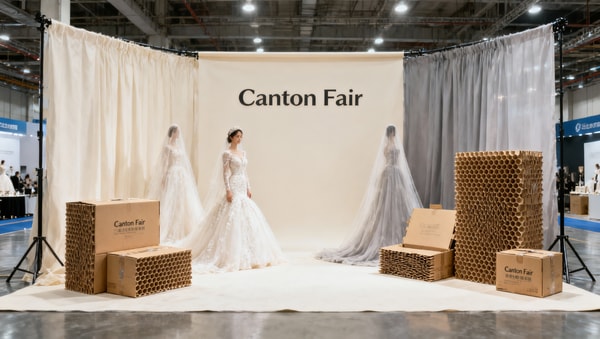
 Eco PackagingCanton Fair Wedding Photo Props Zone Sees 37% YoY GrowthWedding photo props at Canton Fair surge 37% YoY—biodegradable packaging & magnetic modular backdrops lead global demand. Discover key trends now!Packaging Supply ExpertApr 24, 2026
 Export UpdatesChina Customs Launches Beta 'Wedding Photo Props Export Compliance Self-Check Platform'Wedding photo props exporters: Use China Customs’ new beta Self-Check Platform for real-time export compliance guidance on HS codes like 9405.40, 4202.92 & 6307.90 — avoid delays in US, EU, ASEAN & Middle East markets.Apr 24, 2026
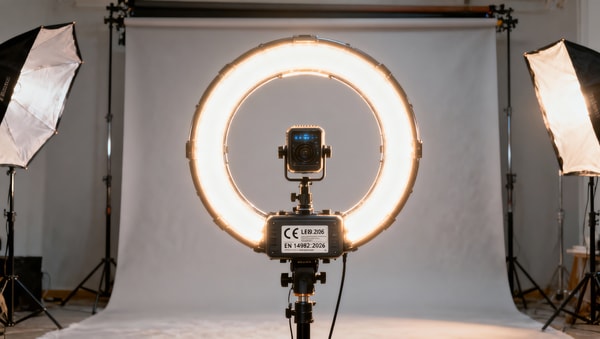
 Commercial LEDEN 14982:2026 Effective: LED Softlight Devices for Wedding Photography Must Pass Enhanced EMC Immunity TestsLED softlight devices for wedding photography must now pass enhanced EMC immunity tests per EN 14982:2026 — ensure CE compliance before EU market entry!Commercial Tech EditorApr 24, 2026
 Carton & PlasticsUS CPSC Recalls 7 Chinese Wedding Backdrop Makers for FormaldehydeUS CPSC recalls 7 Chinese wedding backdrop makers for formaldehyde—critical alert for婚纱摄影 exporters, MDF suppliers & US importers. Act now to avoid detention & liability.Packaging Supply ExpertApr 24, 2026