Industry News
Curation by industry experts
Hot Articles
Popular Tags
How Long Do LED Lights for Outdoor Use Last in Humid Climates
In humid climates, outdoor LED lights do not fail simply because they are LEDs. They fail when moisture enters the housing, heat cannot escape, drivers are poorly protected, or the fixture runs too long without smart controls. In practical terms, a well-built outdoor LED fixture used in humid conditions can last roughly 30,000 to 50,000 hours, while lower-grade products may lose output, corrode, or fail far earlier. For buyers evaluating patio umbrellas with LED lights, commercial decorative fixtures, or supply options from a stage lighting equipment supplier, the real question is not only “how long do LED lights last,” but “what construction, testing, and sourcing standards make them last in humidity?”
That distinction matters for procurement teams, distributors, and business evaluators. A lower upfront price can quickly turn into higher replacement cycles, warranty claims, installation labor, and reputational risk. In sectors connected to hospitality, outdoor retail, events, landscaping, and integrated product sourcing, understanding humidity durability helps buyers choose products with better lifecycle value rather than simply lower unit cost.
How long do outdoor LED lights typically last in humid climates?
The short answer is that quality outdoor LED lights for humid environments typically last between 5 and 10 years in real-world use, depending on daily operating hours, enclosure quality, driver protection, and thermal design. If the fixture runs 8 to 12 hours a day, that often translates into around 30,000 to 50,000 hours before noticeable lumen depreciation or component failure becomes a concern.
However, lifespan in humid climates is rarely determined by the LED chip alone. The diode may be rated for long service life, but the system can still fail early because of:
- Moisture intrusion into the housing
- Corrosion on electrical contacts or circuit boards
- Driver failure caused by condensation
- Poor heat dissipation in enclosed fixtures
- Inferior seals, gaskets, or cable entry points
- Overuse without controls such as timers, dimmers, or motion sensors
For sourcing professionals, this means the advertised LED lifespan on a datasheet should never be accepted at face value without reviewing the full fixture design. In humid regions, the practical operating life of an outdoor LED product is the result of the entire assembly, not just the light source.
What causes LED lights to fail faster in humid outdoor environments?
Humidity creates a different risk profile than dry outdoor exposure. Even where direct rain is limited, airborne moisture, condensation, salt-laden air in coastal areas, and day-to-night temperature swings can steadily degrade outdoor lighting systems.
The most common failure drivers include:
1. Moisture ingress
If a fixture has weak sealing around lenses, housing joints, or wiring entries, water vapor can enter and condense inside. Over time, this damages drivers, connectors, and boards.
2. Corrosion
Humid air accelerates corrosion on metal parts, especially if housings, screws, or terminals are made with low-grade materials. Corrosion can disrupt electrical continuity and weaken structural integrity.
3. Heat buildup
Many buyers assume humidity alone is the problem, but heat is often the hidden factor. LEDs are efficient, yet they still generate heat. In poorly designed fixtures, trapped heat shortens driver life and speeds lumen loss.
4. Condensation cycling
Repeated temperature changes can pull moisture into the fixture even when it appears sealed. This is especially common in tropical, coastal, or monsoon-prone regions.
5. Continuous operation
Lights that run every night for extended periods naturally wear faster. In humid climates, long run times combined with thermal stress amplify the risk of earlier system failure.
For distributors and commercial buyers, these are not theoretical concerns. They directly affect replacement frequency, after-sales service cost, and customer satisfaction.
Which product specifications matter most when evaluating outdoor LED lifespan?
For procurement decisions, buyers should focus less on generic marketing claims and more on a shortlist of technical indicators that strongly influence service life in humid climates.
Ingress Protection rating
Look for an IP rating appropriate to the installation environment. For many outdoor humid applications, IP65 is a minimum benchmark, while harsher environments may call for IP66 or higher. The rating should apply to the complete fixture, not just one component.
Housing and fastener materials
Powder-coated aluminum, corrosion-resistant stainless steel hardware, and UV-stable polymers generally perform better outdoors than lower-cost mixed materials prone to rust or cracking.
Driver quality
The LED driver is often the first component to fail. Buyers should verify whether the driver is designed for outdoor use, moisture resistance, surge protection, and stable performance under temperature variation.
Thermal management design
Heat sinks, venting strategies, and housing geometry all influence real operating life. A product with strong thermal design often outlasts a fixture with a similar LED chip specification but weaker system engineering.
Operating temperature and humidity range
Reliable suppliers should provide clear environmental performance parameters. This is particularly important for projects in tropical or coastal zones.
Testing and certification
Ask for evidence of salt spray testing, humidity testing, waterproof verification, and relevant market certifications. These are stronger trust signals than broad “outdoor suitable” claims.
For business evaluators, the key takeaway is simple: the best outdoor LED lights for humid climates are usually identified by engineering discipline and testing transparency, not by the highest wattage or lowest quote.
Do smart controls help LED lights last longer in humid regions?
Yes. Smart controls can meaningfully extend the usable life of outdoor LED systems because they reduce unnecessary operating hours and thermal stress. In humid climates, that matters more than many buyers realize.
Useful control options include:
- Timers that limit runtime to required hours only
- Motion sensors for pathways, entrances, and security areas
- Dimming controls to lower output during low-traffic periods
- Photocells that prevent daytime operation
- Remote monitoring for commercial or multi-site installations
For example, in patio umbrellas with LED lights used in hospitality settings, the LEDs may not need full output or continuous operation every evening. Simple control logic can reduce wear, save energy, and improve maintenance intervals. The same principle applies to decorative event installations sourced through a stage lighting equipment supplier or broader outdoor commercial display projects.
From a procurement perspective, smart control compatibility also supports better ROI modeling. Lower power consumption is only part of the benefit; reduced replacement and labor cost can be equally important.
How should buyers compare products for patios, hospitality, events, and commercial outdoor use?
Different outdoor applications face different humidity risks, so buyers should assess fit-for-purpose rather than relying on a one-size-fits-all LED claim.
Patio umbrellas with LED lights
These products often combine decorative appeal with functional lighting. Buyers should check whether the LED strips or modules are well sealed, whether battery or power compartments resist moisture, and whether replacement parts are available. In hospitality environments, ease of service is nearly as important as the nominal lifespan.
Event and stage-related outdoor lighting
Products sourced from a stage lighting equipment supplier may face repeated transport, setup, teardown, and variable weather. Here, connector quality, enclosure durability, and moisture protection around cable interfaces are critical.
Architectural or landscape lighting
Permanent installations demand stronger long-term sealing, better corrosion resistance, and documented driver durability. Labor to replace failed units can quickly exceed the value of the fixture itself.
Retail and commercial exterior lighting
For storefronts, public-facing installations, and branded environments, consistency matters. Uneven lumen loss or partial failures can negatively affect brand image, customer perception, and maintenance budgets.
Procurement teams should align technical requirements with application realities instead of selecting solely on price band or basic brightness specifications.
What sourcing questions should procurement teams ask suppliers before buying?
For B2B buyers, the right supplier questions often reveal more than a catalog sheet. Whether sourcing within lighting and displays or alongside broader categories such as textiles, furniture, or eco friendly packaging for cosmetics, disciplined supplier evaluation reduces downstream risk.
Ask suppliers:
- What is the tested IP rating of the complete fixture?
- What humidity and temperature conditions has the product been validated under?
- What driver brand or driver protection standard is used?
- What housing, fastener, and sealing materials are used?
- Has the product passed salt spray or corrosion resistance testing?
- What is the lumen maintenance target, such as L70 or L80?
- What is covered under warranty, and what common exclusions apply in humid environments?
- Are spare parts or replacement modules available?
- Can the fixture integrate with timers, sensors, or smart controls?
- Can the supplier provide case references for coastal, tropical, or high-humidity projects?
Reliable manufacturers and exporters should answer these questions clearly and consistently. If documentation is vague, that is often a warning sign, especially for distributors or agents who will bear post-sale service pressure.
How do you judge total value instead of just purchase price?
For commercial buyers, product lifespan in humid climates should be evaluated as a lifecycle cost issue, not only a technical one. A lower-cost fixture that fails two years earlier may end up far more expensive after factoring in replacement units, technician visits, project disruption, and customer dissatisfaction.
Consider these value factors:
- Expected years of service under actual humidity conditions
- Warranty length and practical warranty support
- Replacement labor cost
- Downtime impact for hospitality, retail, or public environments
- Energy savings from controls and efficient operation
- Availability of replacement components
- Brand and reputational risk from visible failures
This approach is especially relevant to sourcing managers handling mixed portfolios. A buyer may work with a textile manufacturing company for soft goods, review eco friendly packaging for cosmetics for sustainability goals, and source outdoor lighting for brand spaces or hospitality applications. In each case, the strongest procurement outcomes come from balancing compliance, durability, serviceability, and total cost of ownership.
Final takeaway: what should buyers remember about LED lifespan in humid climates?
Outdoor LED lights can last a long time in humid climates, but only when the fixture is engineered for moisture resistance, thermal control, and realistic operating conditions. In many cases, quality products will deliver 30,000 to 50,000 hours of useful life, while lower-spec fixtures may fail much sooner because of driver breakdown, corrosion, or poor sealing.
For information researchers, procurement teams, business evaluators, and channel partners, the smartest buying decision is not based on headline lifespan claims alone. It comes from verifying IP rating, material quality, thermal design, testing evidence, warranty support, and control compatibility. If a product will be installed in patios, hospitality spaces, outdoor retail, event venues, or coastal environments, these factors are what separate long-term value from avoidable replacement cost.
In short, humid climates do not automatically shorten LED life beyond practicality. Poor product selection does. Buyers who evaluate construction quality and lifecycle value carefully are far more likely to secure durable performance, lower maintenance burden, and better long-term sourcing outcomes.
Recommended News
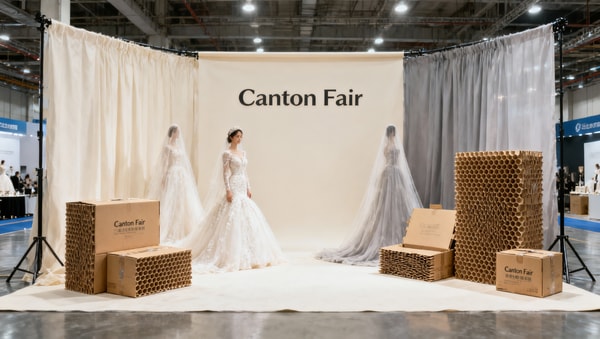
 Eco PackagingCanton Fair Wedding Photo Props Zone Sees 37% YoY GrowthWedding photo props at Canton Fair surge 37% YoY—biodegradable packaging & magnetic modular backdrops lead global demand. Discover key trends now!Packaging Supply ExpertApr 24, 2026
 Export UpdatesChina Customs Launches Beta 'Wedding Photo Props Export Compliance Self-Check Platform'Wedding photo props exporters: Use China Customs’ new beta Self-Check Platform for real-time export compliance guidance on HS codes like 9405.40, 4202.92 & 6307.90 — avoid delays in US, EU, ASEAN & Middle East markets.Apr 24, 2026
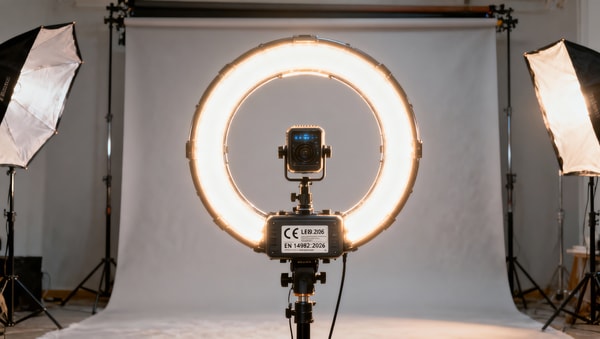
 Commercial LEDEN 14982:2026 Effective: LED Softlight Devices for Wedding Photography Must Pass Enhanced EMC Immunity TestsLED softlight devices for wedding photography must now pass enhanced EMC immunity tests per EN 14982:2026 — ensure CE compliance before EU market entry!Commercial Tech EditorApr 24, 2026
 Carton & PlasticsUS CPSC Recalls 7 Chinese Wedding Backdrop Makers for FormaldehydeUS CPSC recalls 7 Chinese wedding backdrop makers for formaldehyde—critical alert for婚纱摄影 exporters, MDF suppliers & US importers. Act now to avoid detention & liability.Packaging Supply ExpertApr 24, 2026