Industry News
Curation by industry experts
Hot Articles
Popular Tags
China Customs Pilots Smart Classification for Hardware Exports in Shenzhen, Ningbo, Qingdao
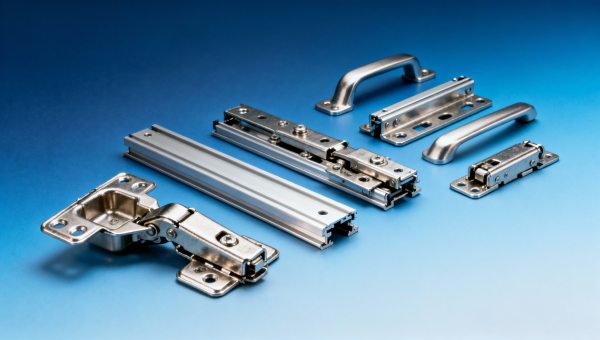
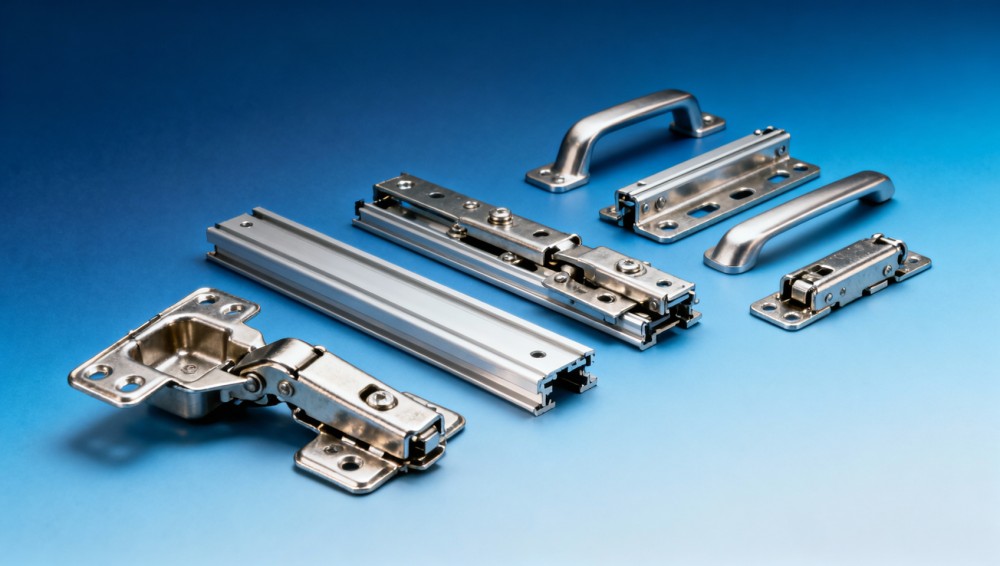
China Customs has launched a pilot program for 'Smart Classification Pre-Ruling for Hardware Exports' in Shenzhen, Ningbo, and Qingdao starting April 1, 2026. The initiative targets high-frequency HS codes for construction hardware like hinges, pivots, sliding supports, and handles. This development is particularly relevant for export-oriented manufacturers, traders, and logistics providers in the hardware and construction sectors, as it significantly enhances customs clearance efficiency and reduces classification errors.
Event Overview
The 'Smart Classification Pre-Ruling' system, implemented by China Customs on April 1, 2026, provides AI-generated pre-ruling results within 24 hours of document submission. The pilot covers key export hubs—Shenzhen, Ningbo, and Qingdao—and focuses on construction hardware products. Early data shows a 40% reduction in clearance time and a 62% drop in inspection rates due to misclassification.
Impact on Sub-Sectors
Export-Oriented Manufacturers
Manufacturers of hinges, handles, and other construction hardware benefit from faster clearance and reduced delays. The system minimizes shipment holds caused by classification disputes, improving delivery reliability for overseas buyers.
Logistics and Supply Chain Providers
Freight forwarders and customs brokers must adapt to the streamlined process, as AI pre-rulings reduce manual intervention. Service providers offering classification consulting may face reduced demand.
Overseas Buyers
Importers gain predictability in lead times, lowering risks of contractual breaches due to customs delays. Buyers sourcing from pilot cities should verify suppliers' adoption of the system.
Key Considerations and Actions
Monitor Expansion Plans
Businesses should track whether the pilot extends to additional ports or product categories, which could reshape regional competitiveness.
Verify HS Code Updates
Exporters must cross-check AI rulings with their historical classifications to identify discrepancies early.
Adjust Inventory Planning
With faster clearance, companies can optimize stock levels but must confirm the system’s consistency before overhauling logistics models.
Industry Observation
Analysis suggests this pilot signals China’s broader push toward AI-driven trade facilitation. While promising, its long-term impact depends on system accuracy and scalability. The 62% drop in inspection rates indicates strong initial performance, but businesses should treat this as an evolving tool rather than a finalized solution.
Conclusion
The pilot represents a meaningful step in reducing friction for hardware exports, particularly benefiting time-sensitive shipments. Companies should engage with customs brokers to understand implementation nuances while remaining cautious about over-reliance on automated rulings during the pilot phase.
Sources
China Customs General Administration (Official Announcement, April 2026). Pilot performance metrics are preliminary and subject to ongoing review.
Recommended News
 Industrial FastenersH65 Brass Sheet Prices Hit Record High at 78,500 Yuan/Ton Amid Supply CrunchH65 brass sheet prices surge to record 78,500 yuan/ton amid supply crunch, impacting hardware manufacturers and procurement strategies. Learn key action points for cost management.Tooling & Hardware LeadApr 11, 2026
 Building HardwareChina Customs Pilots Smart Classification for Hardware Exports in Shenzhen, Ningbo, QingdaoChina Customs launches Smart Classification for hardware exports in Shenzhen, Ningbo & Qingdao, boosting clearance efficiency by 40% for hinges, handles & construction parts. Learn how exporters can benefit.Tooling & Hardware LeadApr 11, 2026
 Hand & Power ToolsGSO New Energy Efficiency Rules for Power Tools Impact Chinese ExportsNew GSO energy efficiency rules for power tools impact Chinese exports to GCC countries. Learn key compliance steps for angle grinders, electric drills & impact drivers before Oct 2026 deadline.Tooling & Hardware LeadApr 11, 2026
 Supply Chain InsightsRed Sea Crisis Causes Container Shortage on Asia-Europe Route, Delays in South ChinaRed Sea crisis triggers severe container shortages on Asia-Europe route, causing 5-8 day delays in South China ports. Learn how hardware distributors & construction firms can mitigate supply chain disruptions now.Apr 11, 2026