Industry News
Curation by industry experts
Hot Articles
Popular Tags
H65 Brass Sheet Prices Hit Record High at 78,500 Yuan/Ton Amid Supply Crunch
H65 Brass Sheet Prices Hit Record High at 78,500 Yuan/Ton Amid Supply Crunch

Introduction
In early April 2026, H65 brass sheet prices surged to 75,000–78,500 yuan/ton due to concentrated maintenance at over 12 domestic copper smelters, reducing refined copper output by 28% from March peaks. This supply squeeze directly impacts lock, hinge, and hardware manufacturers relying on zinc/copper alloys, prompting OEMs to reassess Q2 procurement budgets and long-term contracts.
Event Overview
As of April 1, 2026, China's brass supply chain faces tightening availability as major smelters undergo synchronized maintenance. Daily refined copper production dropped sharply, driving H65 thin-sheet brass quotations to historic highs. Industry data confirms this marks the steepest monthly decline in output since Q3 2025.
Impacted Industries
1. Hardware Component Manufacturers
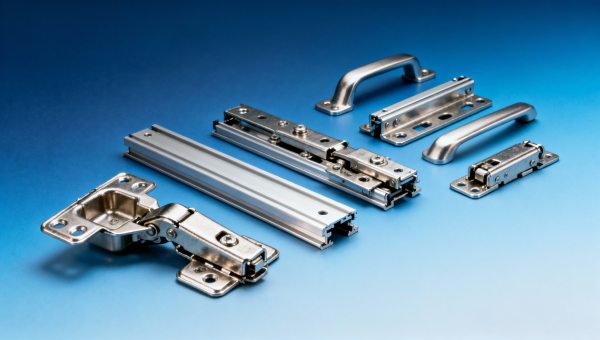
Lock bodies, architectural hinges, and door handle producers face immediate cost pressures. Analysis shows brass alloys constitute 40–60% of raw material costs for mid-range hardware, necessitating urgent price adjustment clauses with buyers.
2. OEM Procurement Departments
International purchasers must reevaluate quarterly budgets, particularly for projects with fixed-price contracts. Current quotes exceed most Q1 forecasts by 12–15%, creating potential margin erosion.
3. Metal Distributors
Spot market traders report shrinking inventory turnover cycles. From an industry perspective, this volatility favors suppliers with pre-existing stockpiles but strains just-in-time delivery models.
Key Action Points
1. Monitor Smelter Restart Timelines
Track official announcements from major producers like Jiangxi Copper and Tongling Nonferrous. Current maintenance schedules suggest partial capacity resumption by late April.
2. Revisit Contract Pricing Mechanisms
For procurement teams, now is critical to negotiate metal surcharge clauses or index-linked pricing with suppliers, especially for H65-specific applications.
3. Diversify Supply Channels
Evaluate alternative brass grades (e.g., H62) or regional suppliers where feasible. Observers note Southeast Asian mills currently maintain 5–7% price advantages for equivalent specifications.
Industry Perspective
This event signals structural tightness in China's nonferrous supply chain rather than temporary fluctuation. Three factors warrant attention: (1) concentrated maintenance reflects regulatory pressure on emission controls, (2) global copper inventories remain at 8-year lows, and (3) no swift resolution appears likely before Q3. Manufacturers should treat this as a catalyst for supply chain resilience planning.
Conclusion
The brass sheet price surge underscores systemic vulnerabilities in metal procurement strategies. While smelter restarts may ease short-term pressure, the industry should interpret this as a wake-up call to strengthen supplier diversification and dynamic pricing models. Current data suggests maintaining 10–15% higher budget allocations for copper-based components through Q2.
Sources
- China Nonferrous Metals Industry Association (April 2026 production report)
- Shanghai Metals Market spot price bulletins
- Note: Smelter maintenance durations require ongoing verification
Recommended News
 Industrial FastenersH65 Brass Sheet Prices Hit Record High at 78,500 Yuan/Ton Amid Supply CrunchH65 brass sheet prices surge to record 78,500 yuan/ton amid supply crunch, impacting hardware manufacturers and procurement strategies. Learn key action points for cost management.Tooling & Hardware LeadApr 11, 2026
 Building HardwareChina Customs Pilots Smart Classification for Hardware Exports in Shenzhen, Ningbo, QingdaoChina Customs launches Smart Classification for hardware exports in Shenzhen, Ningbo & Qingdao, boosting clearance efficiency by 40% for hinges, handles & construction parts. Learn how exporters can benefit.Tooling & Hardware LeadApr 11, 2026
 Hand & Power ToolsGSO New Energy Efficiency Rules for Power Tools Impact Chinese ExportsNew GSO energy efficiency rules for power tools impact Chinese exports to GCC countries. Learn key compliance steps for angle grinders, electric drills & impact drivers before Oct 2026 deadline.Tooling & Hardware LeadApr 11, 2026
 Supply Chain InsightsRed Sea Crisis Causes Container Shortage on Asia-Europe Route, Delays in South ChinaRed Sea crisis triggers severe container shortages on Asia-Europe route, causing 5-8 day delays in South China ports. Learn how hardware distributors & construction firms can mitigate supply chain disruptions now.Apr 11, 2026