Industry News
Curation by industry experts
Hot Articles
- Industrial Power SuppliesGSPEI Rises 2.1% in Early May: Rare-Earth Motor Costs Drive Up Wedding Photography Equipment Export Prices
- Printing EquipmentTurkey Customs AI Scans All Imported Wedding Backdrops for IP
- Commercial LEDIndia BIS Mandate for LED Soft Lights: 90-Day Deadline to IS 13252(Part 1):2023
Popular Tags
India BIS Mandate for LED Soft Lights: 90-Day Deadline to IS 13252(Part 1):2023
India’s Bureau of Indian Standards (BIS) has confirmed a 90-day transition period ending 2 August 2026 for mandatory certification of LED soft lights used in bridal photography under IS 13252(Part 1):2023. The update, published on 4 May 2026, directly affects exporters, manufacturers, and importers handling HS Code 9405.40.90 products — particularly Chinese LED lighting suppliers serving the Indian wedding and studio photography market.
Event Overview
On 4 May 2026, the Bureau of Indian Standards (BIS) updated its official schedule of mandatory certification requirements, listing LED soft lights for bridal photography (HS Code 9405.40.90) under the scope of IS 13252(Part 1):2023. The transition period ends on 2 August 2026 — exactly 90 days from the announcement date. From that date onward, non-BIS-certified units will be prohibited from import and sale in India.
Industries Affected
Direct Exporters (China-based LED Lighting Manufacturers)
These companies supply LED soft lights to Indian distributors or e-commerce platforms under HS Code 9405.40.90. They are directly impacted because BIS certification requires local representation in India — meaning they must appoint an Authorized Indian Representative (AIR) before applying. Without this step, no application can be filed, and shipments post-2 August 2026 risk customs rejection.
Supply Chain Intermediaries (Trading Companies & Export Agents)
Firms acting as intermediaries between Chinese factories and Indian buyers face increased compliance coordination responsibilities. Their role now includes verifying AIR registration status, coordinating sample dispatch to BIS-recognized labs, and validating test reports against IS 13252(Part 1):2023 — not just generic safety standards. Delays or misalignment at this stage may halt consignments.
Indian Importers & Distributors
Importers holding inventory of uncertified LED soft lights must assess stock turnover timelines against the 2 August 2026 deadline. Unsold pre-certification stock cannot be legally sold after that date unless retroactively certified — which is not permitted under current BIS transition rules. This creates near-term working capital and inventory valuation pressure.
What Relevant Enterprises Should Monitor and Do Now
Confirm AIR Appointment Status Immediately
Chinese manufacturers without an existing Authorized Indian Representative must initiate appointment formalities without delay. BIS requires signed authorization documents, company registration proof, and a letter of undertaking — all submitted via the BIS online portal. Processing time for AIR approval typically takes 10–15 working days; delays here compress the remaining window for testing and certification.
Prioritize Sample Submission to BIS-Recognized Labs
Testing against IS 13252(Part 1):2023 covers electrical safety, photobiological safety (IEC 62471), and electromagnetic compatibility (EMC). Only labs accredited by BIS — such as CPRI, STQC, or international partners like TÜV SÜD India — are accepted. Samples must reflect final production configuration (including driver, housing, and firmware); design revisions after submission invalidate prior test reports.
Verify HS Code Classification with Indian Customs Documentation
While HS Code 9405.40.90 is cited in the BIS notice, classification must align with actual product specifications and Indian customs declarations. Misclassification — e.g., listing under general-purpose LED lamps (9405.40.10) — may result in non-applicability of the mandate but also invites scrutiny and potential reclassification penalties upon entry.
Map Inventory and Shipment Schedules Against the Deadline
Exporters and importers should audit all open orders and scheduled shipments for delivery before 2 August 2026. Shipments arriving in India after that date require valid BIS license numbers on shipping bills and invoices. Customs authorities are expected to enforce this at major ports including Nhava Sheva and Chennai.
Editorial Perspective / Industry Observation
Observably, this update signals a tightening of BIS enforcement beyond household lighting into niche professional equipment — reflecting broader regulatory attention toward photobiological safety in high-intensity, close-proximity LED applications. Analysis shows it is not merely a procedural update but an operational inflection point: unlike previous voluntary or phased implementations, this mandate carries explicit import prohibition language and fixed cutoff timing. From an industry perspective, it more closely resembles a binding compliance milestone than an early-warning signal — meaning readiness must be verified, not assumed. Continuous monitoring of BIS circulars remains essential, as minor amendments to lab acceptance criteria or AIR documentation formats have occurred in past transitions.
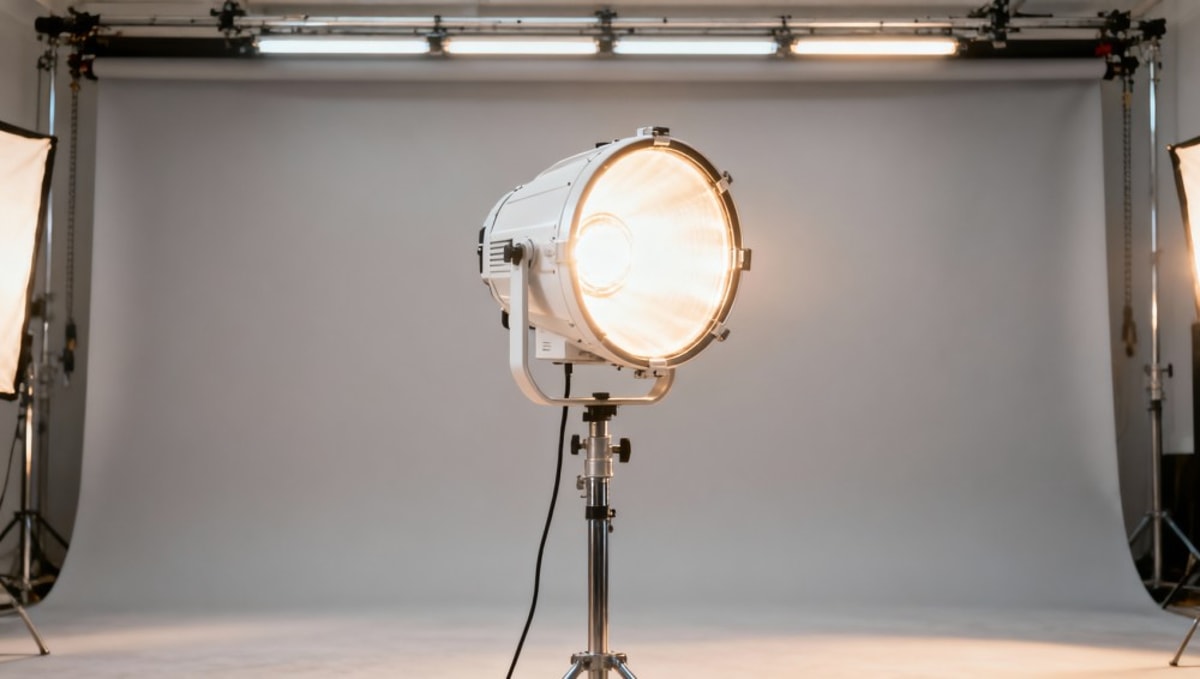
In summary, the BIS directive on LED soft lights represents a targeted regulatory escalation affecting cross-border trade logistics, product compliance workflows, and inventory planning — not a broad market shift. It is best understood as a time-bound compliance checkpoint requiring coordinated action across manufacturing, representation, and customs functions — rather than a structural change to India’s lighting import regime.
Source: Bureau of Indian Standards (BIS) official website, Certification Schedule Update dated 4 May 2026.
Note: Further clarifications on test report validity, AIR renewal procedures, or post-deadline enforcement protocols remain pending BIS public notices and are subject to ongoing observation.
Recommended News
 Industrial Power SuppliesGSPEI Rises 2.1% in Early May: Rare-Earth Motor Costs Drive Up Wedding Photography Equipment Export PricesWedding photography equipment export prices rise 2.1% amid rare-earth motor cost surge—key insight for exporters, OEMs & procurement teams.Lighting & DisplaysMay 05, 2026
 Printing EquipmentTurkey Customs AI Scans All Imported Wedding Backdrops for IPTurkey Customs AI scans all imported wedding backdrops for IP — learn how this impacts婚纱摄影 importers, manufacturers & studios. Act now to avoid shipment delays.Packaging Supply ExpertMay 05, 2026
:2023") Commercial LEDIndia BIS Mandate for LED Soft Lights: 90-Day Deadline to IS 13252(Part 1):2023India BIS mandates IS 13252(Part 1):2023 for LED soft lights in bridal photography — act now! 90-day deadline ends 2 Aug 2026. Ensure compliance, avoid customs rejection.Commercial Tech EditorMay 05, 2026
Commercial LEDIndia BIS Mandate for LED Soft Lights: 90-Day Deadline to IS 13252(Part 1):2023India BIS mandates IS 13252(Part 1):2023 for LED soft lights in bridal photography — act now! 90-day deadline ends 2 Aug 2026. Ensure compliance, avoid customs rejection.Commercial Tech EditorMay 05, 2026 Fabrics & YarnsVietnam Imposes 28.1% Anti-Dumping Duty on Chinese Wedding BackdropsVietnam imposes 28.1% anti-dumping duty on Chinese wedding backdrops—key impact for photographers, studios & e-commerce sellers. Act now!Textile Industry AnalystMay 05, 2026