Industry News
Curation by industry experts
Hot Articles
Popular Tags
Turkey TSE Enforces EN ISO 11925-2:2025 for Backdrop Fabrics
Turkey’s Turkish Standards Institute (TSE) has introduced new fire performance requirements for imported photography backdrop fabrics—effective 1 June 2026. This update directly impacts exporters, manufacturers, and supply chain stakeholders in the wedding photography, event staging, and textile sectors, as non-compliant goods will be barred from the Turkish market.
Event Overview
On 24 April 2026, TSE issued Technical Circular No. 2026/11, mandating that all imported backdrop fabrics—including non-woven, PVC-coated, and canvas materials—undergo vertical ignition testing per EN ISO 11925-2:2025. The requirement specifies a maximum flame spread length of ≤150 mm. Concurrently, the prior national standard TSE 1447 has been officially withdrawn. Compliance becomes mandatory for all shipments cleared in Turkey on or after 1 June 2026.
Industries Affected
Direct Exporters (Especially Chinese Manufacturers)
Exporters supplying backdrop fabrics to Turkey must now retest existing product lines against EN ISO 11925-2:2025—not just TSE 1447—and issue updated CE Declarations of Conformity reflecting the new test standard. Previously accepted test reports under older editions or alternative methods are no longer valid.
Textile Fabric Producers & Converters
Manufacturers producing base fabrics (e.g., polyester non-wovens, coated cottons) used in backdrops face upstream pressure to adjust formulations or surface treatments to meet the stricter vertical ignition threshold. Flame-retardant finishing processes may require recalibration or revalidation to consistently achieve ≤150 mm flame spread.
Importers & Distributors in Turkey
Turkish importers must verify documentation—including test reports issued by TSE-recognized labs—and ensure CE declarations explicitly reference EN ISO 11925-2:2025. Customs clearance delays or rejection at port are likely if documentation lacks alignment with Circular No. 2026/11.
Third-Party Testing & Certification Providers
Laboratories accredited for EN ISO 11925-2:2025 (not earlier versions) are now essential partners. Providers not yet authorized for the 2025 edition may need to complete scope extension audits with TSE or EU notified bodies before issuing valid reports for Turkish market access.
Key Actions for Relevant Businesses
Monitor official updates from TSE and Turkish customs authorities
TSE may issue supplementary guidance—such as acceptable lab accreditation pathways or transitional arrangements—prior to 1 June 2026. Stakeholders should subscribe to TSE’s technical circular notifications and review updates on tse.org.tr.
Prioritize retesting for high-volume or best-selling backdrop SKUs
Given lead times for EN ISO 11925-2:2025 testing (typically 10–15 working days per sample), exporters should identify priority items early—especially those already in production or scheduled for shipment between May–July 2026—to avoid delivery disruption.
Distinguish between regulatory signal and operational readiness
The 24 April 2026 announcement is a formal enforcement notice—not a draft proposal. Its effective date (1 June 2026) is fixed, and no grace period for legacy certifications is indicated in Circular No. 2026/11. Compliance must be demonstrable upon import, not merely planned.
Update technical files and CE declarations before shipping
CE Declarations must cite EN ISO 11925-2:2025 explicitly—not generic references like “EN ISO 11925-2” or “latest version.” Supporting test reports must include full lab accreditation details, sample identification, and measured flame spread values (≤150 mm).
Editorial Perspective / Industry Observation
From an industry perspective, this change signals Turkey’s ongoing alignment with EU harmonized fire safety frameworks—notably for decorative textiles in public-use settings. While TSE retains authority over national implementation, the adoption of EN ISO 11925-2:2025 suggests increased scrutiny of ignition resistance in transient indoor environments (e.g., studios, pop-up venues). Analysis来看, this is less a standalone technical shift and more part of a broader regional trend toward standardized, test-based verification—reducing reliance on national classifications. Current monitoring focus should be on whether TSE extends similar requirements to other textile categories (e.g., stage curtains, exhibition banners) in upcoming circulars.
It is better understood as an enforceable regulatory outcome—not a policy signal under discussion. The timeline is fixed, the standard is specified, and the scope is clearly defined. Industry attention should therefore shift from interpretation to execution.
Conclusion
This TSE update marks a concrete step in tightening fire safety compliance for decorative textiles entering Turkey. It does not introduce new hazard categories but raises the evidentiary bar for conformity—requiring precise, up-to-date test validation. For affected businesses, the priority is procedural readiness: verifying lab capability, updating documentation, and aligning internal quality protocols with EN ISO 11925-2:2025—not anticipating further revisions or exemptions.
Source Attribution
Main source: Turkish Standards Institute (TSE), Technical Circular No. 2026/11, published 24 April 2026.
Areas requiring ongoing observation: Potential issuance of TSE-recognized laboratory lists; clarification on acceptance of test reports issued outside Turkey; possible future extension to additional textile applications.
Recommended News
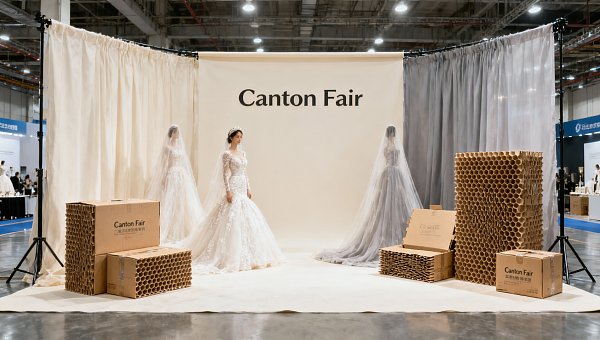
 Eco PackagingCanton Fair Wedding Photo Props Zone Sees 37% YoY GrowthWedding photo props at Canton Fair surge 37% YoY—biodegradable packaging & magnetic modular backdrops lead global demand. Discover key trends now!Packaging Supply ExpertApr 24, 2026
 Export UpdatesChina Customs Launches Beta 'Wedding Photo Props Export Compliance Self-Check Platform'Wedding photo props exporters: Use China Customs’ new beta Self-Check Platform for real-time export compliance guidance on HS codes like 9405.40, 4202.92 & 6307.90 — avoid delays in US, EU, ASEAN & Middle East markets.Apr 24, 2026
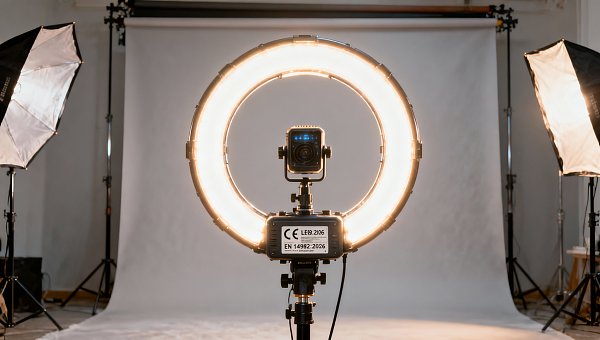
 Commercial LEDEN 14982:2026 Effective: LED Softlight Devices for Wedding Photography Must Pass Enhanced EMC Immunity TestsLED softlight devices for wedding photography must now pass enhanced EMC immunity tests per EN 14982:2026 — ensure CE compliance before EU market entry!Commercial Tech EditorApr 24, 2026
 Carton & PlasticsUS CPSC Recalls 7 Chinese Wedding Backdrop Makers for FormaldehydeUS CPSC recalls 7 Chinese wedding backdrop makers for formaldehyde—critical alert for婚纱摄影 exporters, MDF suppliers & US importers. Act now to avoid detention & liability.Packaging Supply ExpertApr 24, 2026