Industry News
Curation by industry experts
Hot Articles
Popular Tags
Red Sea Crisis Causes Container Space Shortage on Asia-Europe Route, Delays at Southern China Ports
Introduction
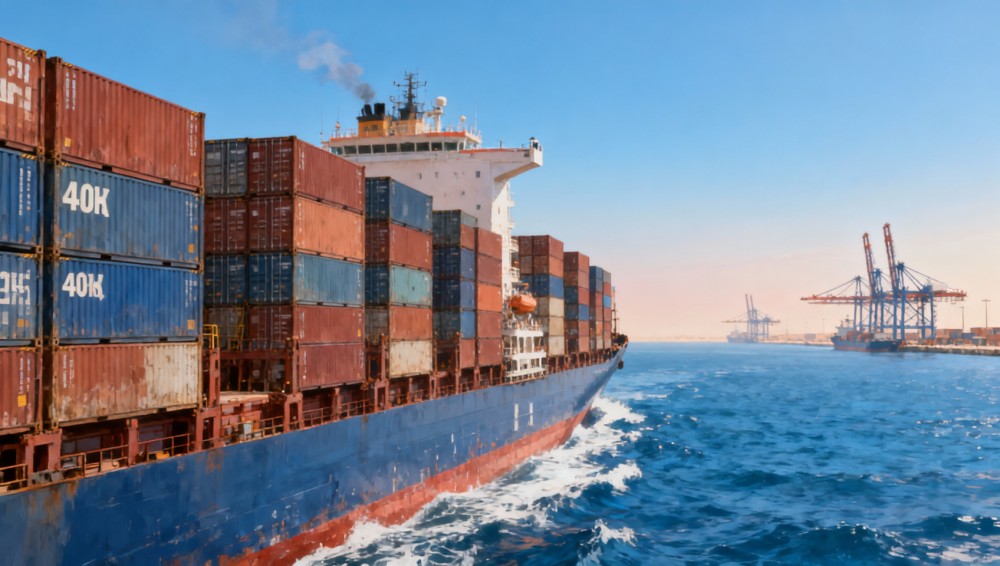
Since April 2026, the ongoing Red Sea conflict has significantly disrupted Asia-Europe shipping routes, leading to a sharp decline in 40HQ container booking success rates to 58%. Major southern Chinese ports, including Shenzhen, Guangzhou, and Xiamen, are experiencing delays of 5–8 days for printing and packaging cargo shipments. This development particularly impacts international FMCG brands and their supply chain partners, who now face heightened pressure to ensure delivery stability.
Event Overview
According to joint monitoring by the Shanghai Shipping Exchange and Drewry, the Asia-Europe shipping route has seen severe container space shortages since April 2026 due to prolonged Red Sea tensions. The booking success rate for 40HQ containers dropped to 58%, while the lead time from booking to loading for printing and packaging goods at southern Chinese ports extended to 12–15 days, an increase of 5–8 days compared to March. Several global FMCG brands have already activated dual-sourcing strategies (China + Vietnam) to mitigate risks.
Impact on Key Industries
Printing and Packaging Manufacturers
Delays in container availability directly affect production scheduling and on-time delivery commitments. Manufacturers must now account for longer lead times when planning shipments, potentially impacting client relationships and contractual obligations.
FMCG Brands and Retailers
Brands relying on Chinese packaging suppliers face inventory risks. The extended shipping times may disrupt promotional calendars and product launches, especially for time-sensitive campaigns.
Logistics and Supply Chain Providers
Freight forwarders and 3PLs must navigate reduced capacity while managing client expectations. Alternative routing options (e.g., via Cape of Good Hope) entail higher costs and extended transit times that require clear communication.
Key Considerations and Recommended Actions
Monitor Shipping Capacity Trends
Track weekly container availability reports from shipping alliances. Early identification of capacity constraints allows for proactive adjustments to production and logistics plans.
Diversify Supply Chain Options
Evaluate nearshoring or multi-country sourcing strategies for packaging materials, as exemplified by brands implementing China-Vietnam dual sourcing. This approach requires vetting suppliers for consistent quality across regions.
Revise Contractual Terms
Review force majeure clauses and delivery timelines with clients. Transparent communication about potential delays helps maintain trust while protecting against penalties.
Optimize Inventory Buffers
Increase safety stock levels for critical packaging components, particularly for seasonal or promotional items where delays could have cascaling effects on marketing investments.
Industry Perspective
Analysis suggests this situation reflects broader supply chain vulnerabilities in global trade routes. While current delays primarily affect printing/packaging shipments, the congestion may spread to other commodities if the Red Sea crisis persists. The shift toward dual-sourcing strategies indicates a potential long-term recalibration of Asian manufacturing networks rather than a temporary workaround.
Conclusion
The current disruptions highlight the interconnected nature of global logistics, where geopolitical risks in one region can ripple through entire supply chains. Businesses should treat this as both an immediate operational challenge and a catalyst for building more resilient sourcing frameworks. The coming months will be critical for assessing whether these delays represent a temporary bottleneck or the new normal for Asia-Europe trade flows.
Source Information
Primary Data: Shanghai Shipping Exchange and Drewry joint monitoring report (April 2026)
Additional Context: Industry reports on FMCG sourcing strategies
Ongoing Monitoring: Weekly container capacity updates from major shipping lines
Recommended News
 Commercial DisplaysWuxi Expo Signals New Export Focus for Bridal Retail TechWuxi Expo signals a new export focus for bridal retail tech, from AR mirrors to RFID and AI tools. Discover what bridal suppliers should track now in compliance, delivery, and overseas demand.Commercial Tech EditorJun 19, 2026
 Supply Chain InsightsNingbo Opens Fast-Track for High-Value Bridal ExportsBridal exports gain speed as Ningbo opens a fast-track channel for high-value wedding dresses and formalwear, helping brands improve customs efficiency, delivery planning, and buyer confidence.Jun 19, 2026
 Eco PackagingEU EPR Registration Takes Effect for Compostable Bridal BoxesEU EPR Registration takes effect for compostable bridal boxes, reshaping bridal packaging compliance, order approval, and EU delivery continuity. Learn what wedding box suppliers must do now.Packaging Supply ExpertJun 19, 2026
 Garment MfgCBP Requires E-Filing for Bridal Textile ImportsCBP requires e-filing for bridal textile imports, impacting wedding dresses and custom bridal gowns. Learn the new ACE compliance rules, delay risks, and what bridal businesses must do now.Textile Industry AnalystJun 19, 2026