Industry News
Curation by industry experts
Hot Articles
Popular Tags
How to Evaluate a Pudding Sofa for Hotel Lounge and Guest Room Use
Why This Seating Decision Matters in Hotels
In hotel design and operations, seating is rarely a minor detail. A sofa influences first impressions in the lounge, guest comfort in the room, cleaning workload for housekeeping, and replacement costs for procurement teams. When a property is selecting a softer, more sculptural seating style such as a pudding-inspired sofa, the decision becomes more complex because appearance and performance must work together. A piece that looks inviting in a showroom may perform very differently after months of heavy traffic, luggage impact, beverage spills, and frequent cleaning.
For hotel owners, operators, project managers, and buyers, the key question is not whether a curved or playful sofa form is visually attractive. The real question is whether that design can support the realities of hospitality use. In lounges, seating often serves as both a social hub and a waiting zone. In guest rooms, it may function as a reading chair, secondary seating, or a decorative accent that also has to remain practical. Evaluating suitability requires attention to ergonomics, upholstery, frame stability, maintenance, fire safety expectations, and the supplier’s ability to deliver consistent quality across projects.
What Makes This Sofa Type Different
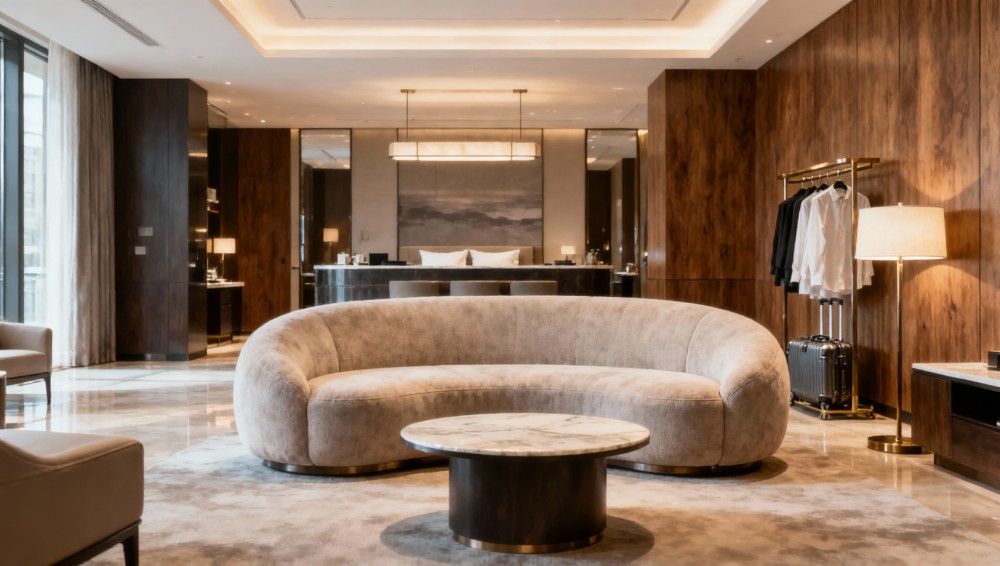
A pudding-style sofa is generally associated with rounded edges, a compact silhouette, and a softer visual language than more angular commercial seating. This makes it appealing for hospitality environments that want to create warmth, informality, or a modern residential feeling. Many hotels are moving away from overly rigid public-space furniture and toward pieces that help guests feel relaxed. In boutique hotels, serviced apartments, resorts, and upgraded business hotels, softer forms can help bridge the gap between design identity and everyday comfort.
That said, soft form should not be confused with soft standards. Rounded furniture often hides construction details, which means specifiers need to ask more questions rather than fewer. Seam placement, foam density, upholstery tension, and the way the base supports weight are especially important. Curved furniture can also create challenges in room planning, especially where circulation space is limited or where cleaning equipment must move efficiently around the piece.
Core Evaluation Criteria for Hotel Use
1. Comfort Under Real Use Conditions
Comfort should be tested in the context of actual guest behavior, not only short showroom trials. In a lounge, guests may sit briefly while waiting, or remain for longer periods with drinks and laptops. In a guest room, the sofa may be used for reading, dressing, or placing personal items. The seat height should allow easy entry and exit for a wide age range. If the seat is too low, it may look stylish but become inconvenient for elderly guests or those carrying bags. If back support is too shallow or too upright, dwell time and satisfaction may decrease.
2. Upholstery Durability and Cleanability
Hotels should evaluate fabric or leather-like materials not just for look and touch, but for stain resistance, abrasion performance, and ease of routine maintenance. Lounge furniture is exposed to higher spill risk, while guest room furniture faces repeated contact with clothing, luggage, and cosmetics. Textured fabrics may support a premium aesthetic, but they can also trap dust or complicate spot cleaning. Smooth surfaces may be easier to wipe down, yet they can show scratches or wrinkles faster if the substrate quality is poor. Procurement teams usually benefit from confirming whether the upholstery can be maintained with standard housekeeping procedures rather than specialist treatment.
3. Structural Stability
A hotel sofa should feel stable under repeated use from guests of different body types and sitting habits. Rounded forms are often used casually, with people sitting on the edge, leaning sideways, or placing luggage on top. The frame, joints, and base support should therefore be assessed for torsion, load distribution, and long-term shape retention. A sofa that shifts, creaks, or compresses too quickly can create a perception of poor quality even if the visible finish still looks attractive.
4. Foam Performance and Shape Retention
The visual identity of this seating category depends heavily on its smooth, rounded profile. Once the foam loses resilience, the sofa can appear tired much earlier than a boxier piece. Hotels should pay close attention to how well the cushion returns to shape after repeated compression. This affects not only comfort, but also the consistency of the property’s visual standards across rooms and public areas.
Operational Questions Buyers and Project Teams Should Ask
Beyond product appearance, purchasing decisions should reflect the full operating cycle of the furniture. For example, can the piece fit through elevators, guest room doors, and corridor turns without damage or difficult disassembly? Does the footprint allow comfortable circulation in compact layouts? Can housekeeping clean beneath or around the base efficiently? Is the upholstery replaceable or repairable if a section is damaged? These practical questions are often more important in hospitality than in residential buying.
For teams comparing sourcing options, Pudding Sofa should be reviewed as part of a broader commercial furniture assessment that includes installation constraints, maintenance planning, expected usage intensity, and supplier coordination capability across design, production, and delivery stages.
Common Evaluation Mistakes
- Over-prioritizing visual novelty: A distinctive form may support branding, but if it sacrifices comfort or cleaning efficiency, lifecycle value may decline.
- Ignoring room function differences: The same sofa specification may not be ideal for both a high-traffic lounge and a guest room corner.
- Failing to test maintenance realities: Materials that look elegant can become difficult in daily operations if they show marks easily or require special care.
- Assuming all curved furniture is equally durable: Construction quality varies significantly, especially where seams, padding, and hidden support structures are concerned.
- Neglecting project execution: Even a suitable design can create delays if customization details, production consistency, or delivery planning are weak.
Different Standards for Lounge and Guest Room Applications
In lounge environments, buyers usually need to think like operators. The sofa must perform through repeated daily contact, support the overall atmosphere, and remain easy to maintain. Fabrics may need stronger resistance to staining and abrasion, while the base and frame should tolerate luggage contact and more unpredictable use patterns. In guest rooms, the emphasis shifts slightly toward personal comfort, space efficiency, and design coordination with beds, casegoods, lighting, and circulation routes.
Why Supplier Capability Also Matters
In hotel projects, furniture evaluation does not stop at the object itself. Buyers and project leaders often need a supplier that can support specification alignment, customization, production consistency, and coordinated delivery. This becomes especially important when a hotel group wants the same design language across multiple rooms or properties, or when a project requires adaptation to local installation conditions. A supplier with integrated design, manufacturing, and project support may help reduce communication gaps between concept approval and on-site use.
For hospitality furniture specialists, the ability to connect product development with production control and global project service can influence lead time reliability and finish consistency. In many cases, this matters as much as aesthetics, because delays or quality variation can affect opening schedules, snagging work, and long-term brand presentation.
Practical Selection Advice for Decision Makers
- Request material and construction details early, including upholstery type, cushion composition, and frame information.
- Review the piece in the exact intended setting whenever possible, especially for room scale and guest circulation.
- Align the specification with usage intensity rather than copying the same option across all hotel areas.
- Discuss cleaning methods with operations staff before final approval.
- Confirm project delivery capacity, customization coordination, and post-installation support expectations.
A well-chosen pudding-style sofa can help a hotel create a softer and more memorable environment, but only when visual appeal is matched by commercial-grade practicality. The best evaluations balance guest experience, operational efficiency, procurement discipline, and project execution. For hotels, that balance is what turns a stylish seating concept into a reliable asset rather than a short-lived design decision.
Recommended News
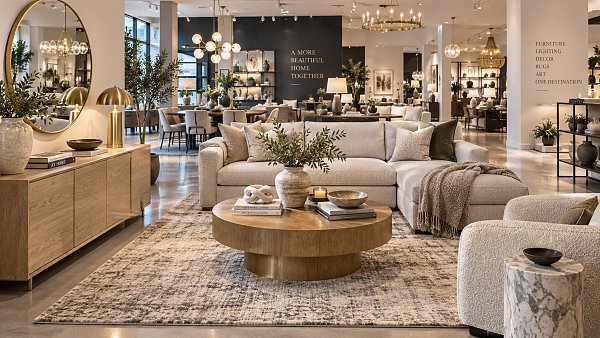
 Home DecorWhich decor exhibition in the USA best fits a home decor sourcing trip?Decor exhibition USA guide: compare High Point Market, Las Vegas Market, NY NOW, and HD Expo to choose the best event for your home decor sourcing trip.Interior Sourcing LeadOct 08, 2026
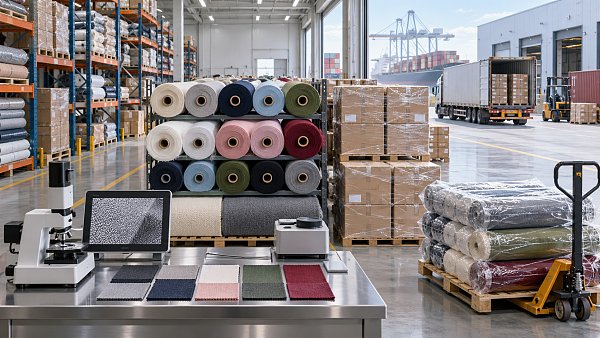
 Fabrics & YarnsWhat drives textile procurement cost beyond the quoted fabric price?Textile procurement cost goes far beyond the quoted fabric price. Discover how freight, quality, MOQ, compliance, payment terms, and supplier reliability shape total sourcing cost.Textile Industry AnalystOct 07, 2026
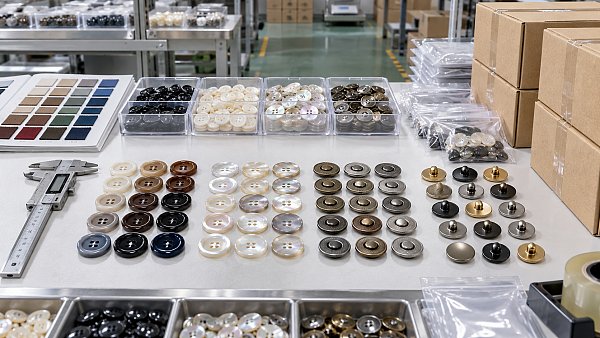
 Garment MfgWhat drives unit costs when buying garment buttons wholesale?Garment buttons wholesale costs depend on material, tooling, finish, MOQ, quality, packing, and freight. Learn how to compare true landed costs and source reliably.Textile Industry AnalystOct 06, 2026
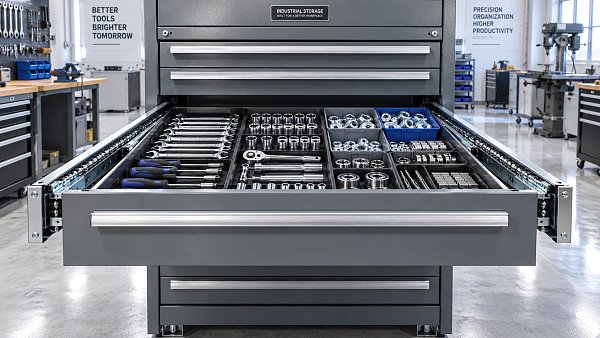
 Building HardwareWhat load rating should you specify for wholesale ball bearing slides?Wholesale ball bearing slides: learn how to specify the right load rating for drawer weight, extension, mounting, and durability. Source smarter and reduce failures.Tooling & Hardware LeadOct 05, 2026