Industry News
Curation by industry experts
Hot Articles
Popular Tags
Furniture OEM Indonesia: Cost, MOQ, and Lead Time Factors to Compare
Furniture OEM Indonesia: Cost, MOQ, and Lead Time Factors to Compare
Evaluating furniture OEM Indonesia options requires more than comparing unit prices.
For procurement teams, total cost, MOQ flexibility, and lead time stability shape margins, inventory exposure, and on-time delivery.
This guide breaks down the commercial factors that matter most when comparing Indonesian furniture manufacturers.
The goal is simple: make furniture OEM Indonesia sourcing decisions faster, clearer, and less risky.
Why furniture OEM Indonesia stays on the shortlist
Indonesia remains attractive for wood furniture, rattan products, indoor collections, and selected outdoor ranges.
The country combines material access, craft skill, and export experience across both handmade and semi-industrial production.
That said, supplier capability varies widely.
One factory may be strong in teak dining sets but weak in upholstered frames or mixed-material assembly.
So any furniture OEM Indonesia comparison needs to go beyond a catalog review.
Start with total landed cost, not ex-factory price
A lower quote does not always mean lower procurement cost.
In furniture OEM Indonesia projects, landed cost usually tells the real story.
This includes material grade, packaging method, inspection cost, inland transport, and container utilization.
- Wood species and certification status
- Finish type, hardware quality, and carton protection
- Knock-down design versus assembled shipping
- Rework rate, defect allowance, and replacement policy
- Port distance and local trucking cost
- Container loading efficiency per SKU mix
A supplier with slightly higher pricing may still reduce landed cost through better packing density.
That matters especially for bulky categories where freight absorbs margin quickly.
When comparing furniture OEM Indonesia suppliers, request a quote breakdown by material, finish, packing, and loading assumptions.
What really drives OEM furniture cost in Indonesia
Cost differences usually come from five practical areas.
Understanding them makes supplier discussions much more productive.
1. Raw material selection
Teak, mahogany, mindi, plywood, MDF, rattan, and metal each change the cost base.
Certified timber or legally traceable sourcing can add cost, but it lowers compliance risk.
2. Construction complexity
Curved profiles, handwoven details, hidden joinery, and mixed materials increase labor time.
In furniture OEM Indonesia sourcing, labor content often explains large quote gaps.
3. Finishing requirements
Open grain, distressed finishes, weather-resistant coatings, and custom color matching all add process time.
Finishing is also where quality inconsistency often appears first.
4. Packaging specification
Export-grade packaging can be expensive, but underpacking is usually more expensive later.
Corner protection, moisture control, and drop-test logic matter for long transit lanes.
5. Order structure
A single high-volume SKU is easier to price than many low-volume customized items.
This is one reason furniture OEM Indonesia programs often price better after assortment rationalization.
How to evaluate MOQ without creating inventory risk
MOQ is not only a negotiation point.
It affects working capital, launch speed, warehouse pressure, and SKU survival.
Many furniture OEM Indonesia suppliers quote MOQ by item, material batch, or container share.
Those are not equivalent, so they should not be compared loosely.
A practical approach is to separate trial MOQ from repeat MOQ.
That gives room for market testing without locking into a large first order.
For furniture OEM Indonesia negotiations, ask whether mixed-SKU production can share material and finish batches.
Lead time comparison needs more than one number
A supplier saying “60 days” is not enough.
In furniture OEM Indonesia sourcing, lead time should be split into clear stages.
- Sample development and approval
- Raw material procurement
- Production and finishing
- Inspection and rework buffer
- Packing, booking, and port dispatch
This stage view reveals whether delays usually happen before production or after it.
It also helps compare factories with very different planning discipline.
More importantly, stable lead time is often more valuable than the shortest lead time.
A realistic 75-day plan is easier to manage than a promised 55-day plan that slips repeatedly.
Questions that expose supplier reliability early
Commercial comparison works better when paired with operational questions.
These questions are especially useful during furniture OEM Indonesia supplier screening.
- What share of production is export-focused versus domestic?
- Which materials are stocked, and which are bought order by order?
- How many active OEM customers run similar product types?
- What is the standard defect threshold before shipment?
- How are replacement parts handled for damaged or missing items?
- What happened in the last delayed order, and why?
Specific answers usually signal real control.
Vague answers often mean the factory is still quoting before understanding its own constraints.
Compliance, quality, and packaging can change the economics
Cost, MOQ, and lead time should never be reviewed in isolation.
In furniture OEM Indonesia projects, compliance and quality controls often shape the final result just as much.
For wood-based items, documentation on legality and traceability can affect market access.
For upholstered items, flammability rules and chemical restrictions may apply by destination.
Packaging standards also deserve attention because furniture damage claims are expensive and slow to resolve.
A supplier that prices slightly higher but protects sell-through can still be the better sourcing choice.
A simple comparison framework for faster sourcing decisions
To compare furniture OEM Indonesia suppliers fairly, use a weighted scorecard.
Keep it focused on the factors that affect commercial performance.
- Unit price and landed cost clarity
- MOQ flexibility for launch and replenishment
- Lead time stability across recent orders
- Material traceability and compliance readiness
- Quality consistency and claim response speed
- Packaging performance and shipment efficiency
This method avoids overreacting to the lowest quotation.
It also helps internal teams align faster around trade-offs.
In practice, the best furniture OEM Indonesia partner is often the one with the clearest operating logic.
That means transparent costing, realistic MOQ discussion, and honest lead time planning.
Those signals usually matter more than an aggressive first quote.
When the next furniture OEM Indonesia shortlist is built, compare factories on decision quality, not price alone.
Recommended News
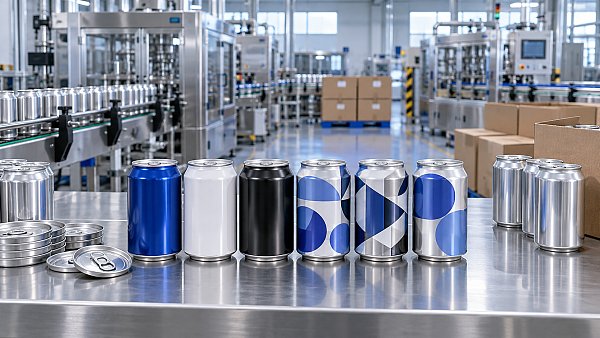
 Supply Chain InsightsHow to find a custom-printed ring-pull can supplier for small ordersFind a custom printed ring pull cans supplier for small orders. Compare MOQs, printing options, samples, and delivered costs to launch confidently without excess inventory.Oct 15, 2026
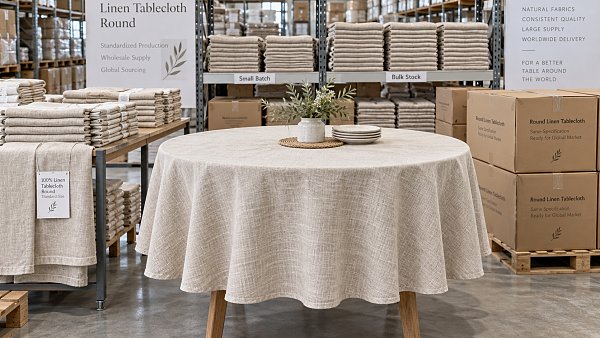
 Home DecorHow order size affects wholesale prices for round linen tableclothsBuying round linen tablecloths wholesale? Discover how order size, freight, and inventory costs affect pricing—and choose the right quantity to maximize real savings.Interior Sourcing LeadOct 14, 2026
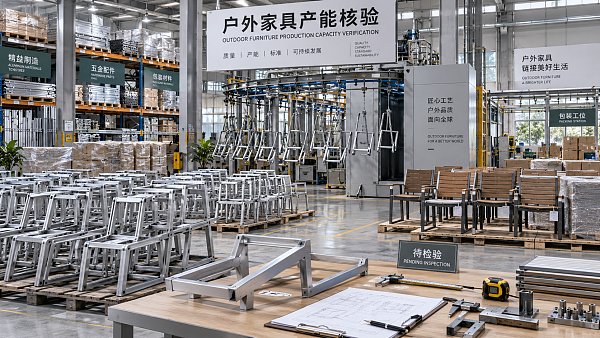
 Outdoor FurnitureHow to verify outdoor furniture manufacturers' production capacityCan outdoor furniture manufacturers deliver on time? Learn how to verify production capacity, uncover bottlenecks, and validate supplier commitments before placing your next order.Interior Sourcing LeadOct 13, 2026
 Commercial DisplaysWhat makes an outdoor digital signage display manufacturer reliable?Discover how to choose a reliable outdoor digital signage display manufacturer with proven weather protection, quality control, smart visibility, and responsive after-sales support.Commercial Tech EditorOct 12, 2026