Industry News
Curation by industry experts
Hot Articles
Popular Tags
How to Choose Upholstered Restaurant Seating for Heavy Daily Use
Choosing upholstered restaurant seating for heavy daily use is rarely just a style decision. It shapes cleaning routines, replacement cycles, guest comfort, and the way a venue is judged after thousands of covers, spills, and turnovers.
That is why upholstered restaurant seating sits at the intersection of furniture design, material engineering, and sourcing discipline. In hospitality settings, appearance matters, but performance under pressure matters more.
For organizations reviewing suppliers across furniture and decor, the real question is not which chair looks best in a showroom. It is which seating system continues to look credible after constant use.
What Heavy Daily Use Really Means
Heavy use is not only about high customer volume. It also includes frequent cleaning, staff movement, bag contact, food residue, moisture exposure, and repeated shifts in weight.
In practical terms, upholstered restaurant seating in a busy cafe faces different stress than seating in a hotel dining room. A quick-service concept may see higher abrasion. Fine dining may demand longer seated comfort.
This distinction matters because durability is never one number. It is the combined result of fabric wear resistance, seam quality, frame integrity, foam recovery, and finish maintenance.
Why the Category Deserves Closer Attention
Restaurant interiors are now expected to deliver brand consistency, hygiene confidence, and longer asset life. That raises the standard for upholstered restaurant seating across global sourcing programs.
At the same time, procurement has become more technical. Material traceability, ESG alignment, fire compliance, and maintenance cost now influence furniture decisions as much as visual appeal.
This is where a source such as Global Supply Review adds context. In sectors like furniture and decor, buying decisions increasingly rely on verified manufacturing insight rather than catalog claims alone.
A seating program that fails early does not only create replacement expense. It can also disrupt operations, weaken guest perception, and complicate multi-site standardization.
Start With the Upholstery Material, Not the Color
The upholstery surface determines how seating handles abrasion, stains, disinfectants, and daily cleaning pressure. This should be reviewed before pattern, texture, or fashion-led finish selection.
Fabric and coated surface priorities
Commercial vinyl, polyurethane, treated woven textiles, and performance blends each solve different problems. No single option is universally best.
- Vinyl is often selected for wipeability and moisture resistance.
- Performance woven fabrics can offer a warmer look with strong abrasion ratings.
- Polyurethane surfaces may support a softer hand feel, but quality differences are significant.
- Textiles with stain barriers can work well where branding requires a fabric-rich interior.
Abrasion testing, cleanability data, and chemical resistance are more useful than broad claims such as commercial grade. Ask how the material performs after repeated disinfectant contact, not only first installation.
Seams, stitching, and edge treatment
Many failures begin at the seams, not on the seating surface. Tight corners, poorly tensioned covers, and weak stitching often break down before the upholstery face shows obvious wear.
For upholstered restaurant seating used every day, seam reinforcement and replaceable upholstered panels can add practical value. They reduce the cost of partial refurbishment.
The Frame Carries the Long-Term Cost
An attractive seat with an unstable frame becomes an operating issue quickly. In heavy-use environments, guests notice wobble, flex, and noise almost immediately.
Wood, metal, and mixed-material frames each have strengths. What matters most is joinery quality, weld consistency, load handling, and floor contact protection.
Frame design also affects housekeeping efficiency. A chair that is too heavy slows resets. A base that traps debris increases cleaning labor.
Comfort Should Be Measured Against Turnover Goals
Comfort is not a vague luxury detail. It affects dwell time, repeat visits, and the perceived quality of the dining experience.
However, ideal comfort depends on the operating model. Lounge-level softness may suit hotel dining or upscale venues. It may be less appropriate where faster turnover is essential.
Seat depth, back angle, cushion firmness, and edge profile should match the intended duration of use. Upholstered restaurant seating performs best when ergonomic choices support the business model.
Different Layouts Need Different Seating Logic
A common sourcing mistake is applying one specification across every zone. In practice, banquet seating, booths, side chairs, and bar-height options face different wear patterns.
Typical use scenarios
- Booths handle wall contact, fixed installation stress, and concentrated seam pressure.
- Side chairs need strong stacking, moving, and floor-drag resistance where layouts shift often.
- Bar stools require reinforced footrest areas and stable bases.
- Banquette systems benefit from modular upholstery replacement planning.
This is why upholstered restaurant seating should be specified by zone, not only by collection. Matching construction to use conditions usually improves lifecycle value more than cosmetic standardization alone.
Cleanability, Compliance, and Supply Reliability
In heavy daily use, cleaning protocol can shorten furniture life if the wrong materials are selected. Hospitality-grade seating must tolerate frequent wipe-downs without cracking, fading, or sticky residue buildup.
Fire regulations, indoor emissions standards, and sustainability documentation also need early review. These requirements vary by market, but ignoring them can delay projects or force late substitutions.
Supply resilience matters just as much. A technically sound upholstery program can still fail if replacement lots, color continuity, or spare parts are unavailable during expansion or refurbishment cycles.
From a sourcing perspective, upholstered restaurant seating should be evaluated as part of a broader risk framework. Material availability, factory capability, QA process, and after-sales support all shape total value.
Questions That Improve the Decision
Better buying outcomes usually come from better questions. The most useful discussions move beyond finish boards and unit price.
- What abrasion and cleanability tests support the upholstery specification?
- Which parts are field-replaceable without removing the full unit?
- How does foam density change across seat and back applications?
- What warranty exclusions apply in hospitality environments?
- Can the supplier maintain consistency across future reorder batches?
- Which certifications or compliance records are available by market?
These questions reveal whether a supplier understands operational realities. They also help compare upholstered restaurant seating offers that appear similar on the surface.
A Practical Way to Move Forward
The strongest seating decisions usually come from a short evaluation framework: define use zones, set performance thresholds, review maintenance methods, and compare suppliers against lifecycle evidence.
Sample review should include sit testing, seam inspection, finish cleaning trials, and frame stability checks. A lower initial price rarely offsets weak durability in a high-turn environment.
For teams using market intelligence platforms such as GSR, upholstered restaurant seating is best assessed through both product data and sourcing context. That means looking at materials, manufacturing discipline, and long-term supply confidence together.
Before committing, align the seating brief with actual operating conditions rather than design intent alone. That step usually makes the difference between furniture that photographs well and furniture that performs well.
Recommended News
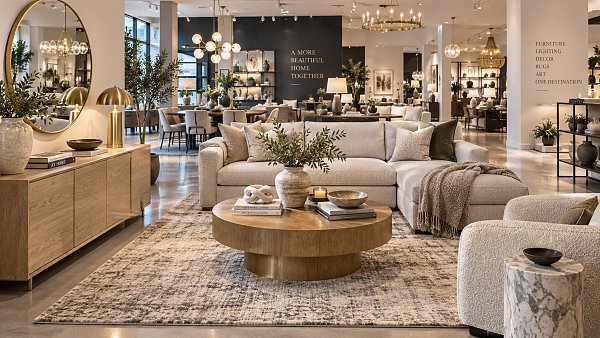
 Home DecorWhich decor exhibition in the USA best fits a home decor sourcing trip?Decor exhibition USA guide: compare High Point Market, Las Vegas Market, NY NOW, and HD Expo to choose the best event for your home decor sourcing trip.Interior Sourcing LeadOct 08, 2026
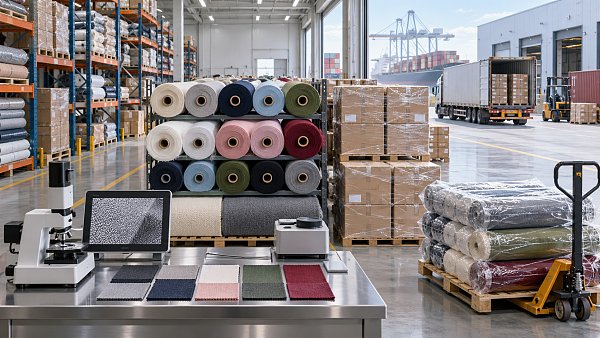
 Fabrics & YarnsWhat drives textile procurement cost beyond the quoted fabric price?Textile procurement cost goes far beyond the quoted fabric price. Discover how freight, quality, MOQ, compliance, payment terms, and supplier reliability shape total sourcing cost.Textile Industry AnalystOct 07, 2026
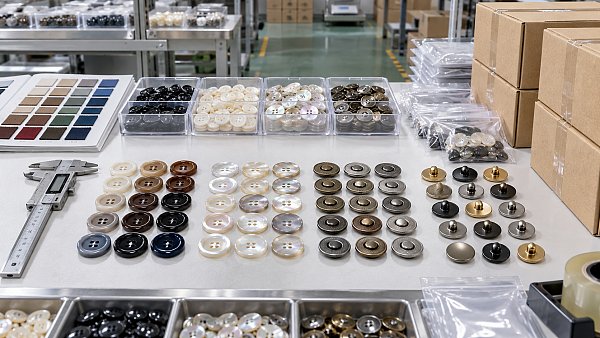
 Garment MfgWhat drives unit costs when buying garment buttons wholesale?Garment buttons wholesale costs depend on material, tooling, finish, MOQ, quality, packing, and freight. Learn how to compare true landed costs and source reliably.Textile Industry AnalystOct 06, 2026
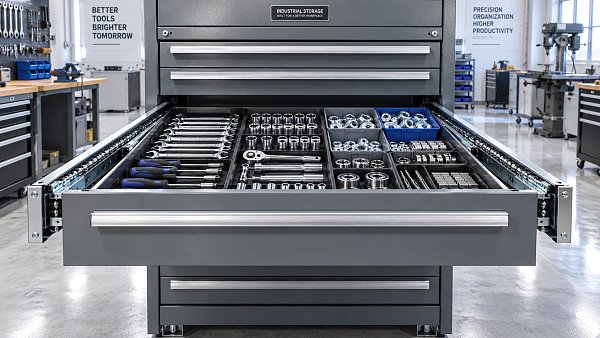
 Building HardwareWhat load rating should you specify for wholesale ball bearing slides?Wholesale ball bearing slides: learn how to specify the right load rating for drawer weight, extension, mounting, and durability. Source smarter and reduce failures.Tooling & Hardware LeadOct 05, 2026