Industry News
Curation by industry experts
Hot Articles
Popular Tags
Self Tapping Screws Material Comparison: Stainless Steel vs. Carbon Steel
In the competitive world of packaging and printing, material choice defines product durability and performance. This article explores the essential comparison between stainless steel and carbon steel self tapping screws—hardware components that ensure stability across industrial assemblies, from corrugated carton boxes to blister packaging applications. Whether you’re a procurement officer evaluating cost-efficiency, a quality controller analyzing strength, or a distributor assessing corrosion resistance, understanding the distinct properties of each material empowers smarter sourcing decisions within the global supply chain.
Understanding Self Tapping Screws in Packaging and Printing

Self tapping screws are designed to create their own threads in materials such as plastic, wood, and thin metal sheets. In packaging and printing machinery, these fasteners are integral for assembling carton press frames, mounting cutting dies, and securing rollers or guard panels. The two most common materials—stainless steel and carbon steel—offer distinct advantages depending on mechanical load, environmental conditions, and cost requirements.
Typically, stainless steel grades like A2 (304) and A4 (316) are selected for their corrosion resistance and hygienic properties, making them ideal for packaging environments with exposure to moisture or solvents. Carbon steel variants, often surface-treated or zinc-plated, provide higher tensile strength and are cost-effective for dry, controlled production lines.
In packaging plants where rapid assembly is critical, the time to fasten and the torque stability of self tapping screws directly affect efficiency. Studies show that stainless steel screws require about 10–15% more torque due to material hardness, while carbon steel screws perform consistently under torque inserts ranging from 1.8–2.2 N·m.
For equipment designers and procurement teams, understanding the interplay between material and application scenario can reduce equipment downtime by up to 25%, reinforcing the importance of correct material selection in light manufacturing infrastructure.
Material Comparison: Stainless Steel vs. Carbon Steel

When evaluating self tapping screws for packaging machinery, material composition drives performance outcomes. Below is a comparative table summarizing major technical properties observed in stainless and carbon steel fasteners used within the packaging and printing sector.
The mechanical comparison reveals that carbon steel screws have a 15–30% advantage in tensile load capacity but a significantly weaker resistance against oxidation and cleaning solvents. Stainless steel, particularly grade 316, demonstrates continuous anti-corrosion performance even after 500 hours of salt spray exposure, aligning with ISO 9227 testing conditions common in packaging machinery evaluations.
Procurement officers should also consider service life cycles: carbon steel screws typically serve 18–24 months in non-humid environments, while stainless steel fasteners retain integrity for over 36 months in similar operations. This durability directly affects maintenance planning and total cost of ownership.
Application Scenarios and Performance in Packaging Systems
In the packaging and printing industry, self tapping screws are deployed across five primary use clusters: die-cutting presses, case erectors, rotary printing cylinders, conveyor frames, and inspection enclosures. Within each cluster, temperature, humidity, and vibration frequency differ, demanding selective material strategy.
Stainless steel screws excel in high-moisture environments, such as labeling lines and shrink film wrapping, where the relative humidity often ranges from 60–85%. In contrast, carbon steel variants suit semi-dry post-press stations and corrugator assembly lines where ambient humidity is typically under 50% and mechanical vibration rates stay below 15 Hz.
Below is a condensed scenario-based table aligning common packaging applications with recommended screw materials and surface treatments for optimized service performance.
The choice often extends beyond simple corrosion or strength judgment; it involves vibration tolerance, coefficient of thermal expansion, and the speed of tool replacement. In automated packaging lines operating 16–20 hours per day, selecting screws rated for repeated insertion cycles (> 500 uses) enhances reliability and reduces mechanical failure rates by up to 30%.
Procurement and Quality Evaluation Guidelines
Procurement decision-making in the packaging hardware sector depends on three primary dimensions: technical specification, environmental durability, and logistical consistency. Each dimension influences equipment uptime and ESG compliance metrics increasingly demanded by corporate buyers.
For procurement teams, a structured evaluation checklist covering mechanical properties, cost index, and supplier credentials is essential. On average, leading packaging OEMs conduct screw material audits semi-annually, verifying dimensional accuracy (±0.3 mm by ISO 898-1 standards) and coating adhesion quality after 72-hour neutral salt spray testing.
Key procurement checkpoints include:
- Confirm material certification (e.g., EN 10088 for stainless steel, SAE J403 for carbon steel).
- Check plating thickness between 8–15 μm for corrosion protection adequacy.
- Evaluate batch torque tolerance spread within ±5% of nominal values.
- Record delivery cycle (typically 10–20 working days depending on order size).
- Define reorder trigger levels aligned with quarterly maintenance schedules.
Global sourcing managers partnering with verified intelligence platforms such as GSR can benchmark multiple vendor capabilities through centralized material comparison databases. This provides comparable metrics on tensile testing, plating uniformity, and price fluctuations across regional markets, streamlining supplier qualification processes.
Common Misconceptions and Practical Tips
A frequent misconception in screw material selection is assuming stainless steel automatically offers better mechanical stability. In high-vibration presses, carbon steel with appropriate plating actually delivers more predictable clamping force due to reduced thread galling. Another error is over-specifying corrosion resistance for strictly indoor, climate-controlled installations where cost efficiency outweighs environmental risk.
Engineers should also consider galvanic compatibility: using stainless screws with carbon steel frames can induce galvanic corrosion when moisture presence exceeds 0.05%, especially near ink or solvent zones. Employing nylon washers or special surface barriers mitigates this risk.
A simple three-step verification improves implementation outcomes:
- Cross-check screw material certificates against project environmental standards.
- Simulate 100 insertion-removal cycles under production torque to test thread performance.
- Track post-installation corrosion outcomes over 30-day humid chamber testing (RH 80%, 25℃).
By integrating these practices into packaging line assembly and maintenance procedures, operators can extend component lifespan by 20–35% without significantly increasing procurement budgets.
Why Partner with GSR for Packaging Hardware Intelligence
Global Supply Review (GSR) empowers packaging and printing enterprises to make data-driven component decisions through curated insights across hardware and fastener markets. With access to comparative datasets covering over 200 verified manufacturers and ISO 9001/14001 compliant production facilities, GSR bridges the gap between field-level technical validation and strategic sourcing objectives.
By working with GSR, procurement specialists gain structured intelligence on lead time optimization (typical 2–4-week delivery windows), cost structure modeling, and material substitution feasibility for ESG alignment. For exporters, our analytical publishing ecosystem builds digital authority, helping increase international buyer engagement rates by up to 40% through content-driven visibility.
Contact GSR today to validate specific self tapping screw configurations tailored for your packaging systems. Our engineering advisors can assist with:
- Material grade validation and corrosion rate assessment.
- Thread form optimization for thin sheet assemblies.
- Customized screw specification tables for OEM design alignment.
- Quotation and lead time planning for multi-region delivery.
Aligning with GSR means integrating reliable technical intelligence into every procurement decision—transforming ordinary sourcing into a sustainable, globally competitive advantage.
Recommended News
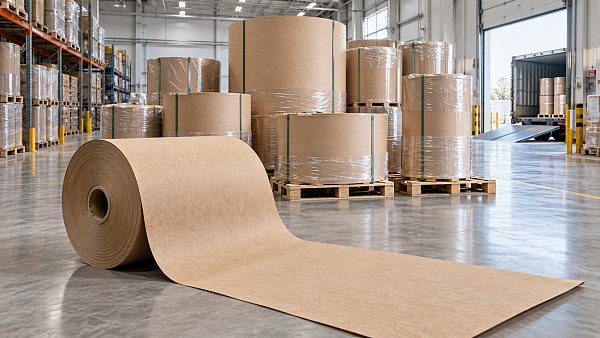
 Eco PackagingWhat affects the price of kraft paper rolls bought wholesale?Kraft paper rolls wholesale pricing depends on grade, basis weight, roll size, order volume, freight, and certifications. Learn how to compare landed costs and choose reliable value.Packaging Supply ExpertOct 03, 2026
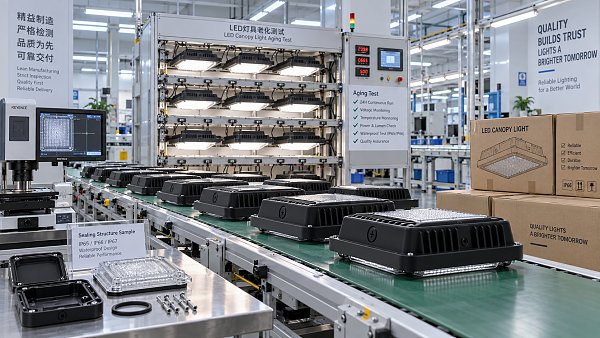
 Commercial LEDHow to evaluate a canopy lights factory before placing a bulk orderCanopy lights factory evaluation guide: verify specifications, compliance, quality control, capacity, and after-sales support before placing a bulk order.Commercial Tech EditorOct 02, 2026
 Commercial LEDHow to choose lighting systems that meet workplace safety needsLighting systems for workplace safety: learn how to control glare, improve visibility, meet environmental demands, and protect workers with reliable, compliant lighting choices.Commercial Tech EditorOct 01, 2026
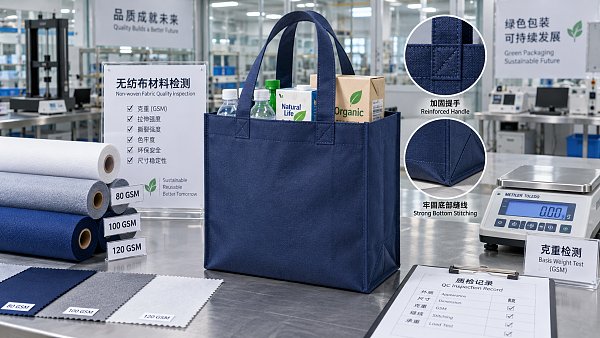
 Fabrics & YarnsWhat fabric weight works best for reusable non woven fabric bags?Non woven fabric for bags: discover the best GSM range for durability, load capacity, print quality, and cost-effective reusable bag sourcing.Textile Industry AnalystSep 30, 2026