Industry News
Curation by industry experts
Hot Articles
Popular Tags
When Stainless Steel Hex Bolts and Nuts Are Worth the Cost
For finance approvers, the key issue is not the sticker price.
It is whether stainless steel hex bolts and nuts lower lifetime cost.
In wet, corrosive, or maintenance-heavy environments, fastener choice changes risk exposure.
A cheaper bolt can trigger leaks, downtime, labor waste, and repeated replacement.
That is why stainless steel hex bolts and nuts increasingly appear in total-cost reviews across industries.
The current shift is clear: buyers are comparing service life, corrosion resistance, and maintenance burden, not unit price alone.
Why the cost conversation around stainless steel hex bolts and nuts is changing
Several market signals are reshaping fastener decisions.
Assets are expected to run longer with fewer shutdowns.
At the same time, environmental exposure is becoming harsher.
Outdoor installations, washdown zones, and chemical-contact assemblies are now common in many sectors.
This raises the hidden cost of using plated carbon steel where corrosion is predictable.
As a result, stainless steel hex bolts and nuts are moving from premium option to risk-control tool.
Trend signals visible across projects
- Longer asset life targets are increasing lifecycle evaluation.
- Maintenance labor costs are rising in most operating regions.
- Water, salt, humidity, and cleaners accelerate coating failure.
- ESG reviews favor durable components with fewer replacement cycles.
- Downtime costs now outweigh small component savings in many installations.
Where the premium on stainless steel hex bolts and nuts usually pays back
Not every application needs stainless.
The premium pays back fastest when corrosion can compromise function, appearance, safety, or service access.
In those cases, stainless steel hex bolts and nuts protect both the assembly and the maintenance budget.
High-value applications
This is especially relevant in hardware, packaging equipment, lighting structures, and decorative outdoor systems.
In these settings, failed fasteners often damage more expensive surrounding parts.
The main drivers behind the shift toward lifecycle fastener decisions
The move toward stainless steel hex bolts and nuts is not just technical.
It is also operational and financial.
Key factors pushing adoption
- Maintenance economics: labor, travel, and stoppage costs have risen.
- Performance reliability: corrosion can reduce clamp load and cause loosening.
- Asset reputation: visible rust harms product and facility appearance.
- Compliance pressure: cleaner, longer-lasting materials support quality systems.
- Supply strategy: fewer replacements simplify inventory planning and service schedules.
These drivers explain why stainless steel hex bolts and nuts are often approved in upgraded specifications.
The decision is strongest where downtime has a measurable revenue impact.
How different business functions feel the impact
A fastener change can influence more than maintenance cost.
It affects inspection routines, installation quality, warranty exposure, and asset presentation.
That is why stainless steel hex bolts and nuts matter across several business stages.
Operational effects
- Installation teams spend less time removing seized hardware during servicing.
- Quality teams face fewer cosmetic rust complaints.
- Facility operators gain longer intervals between replacement events.
- Inventory planners can reduce emergency spare requirements.
In export-oriented industries, material choice also influences buyer confidence.
A visible commitment to durability supports trust signals in global sourcing evaluations.
When standard alternatives still make financial sense
Stainless is not automatically the best answer.
There are many low-risk conditions where coated or carbon steel fasteners remain practical.
This is important for cost discipline and realistic specification management.
Situations where the premium may not return value
The smart approach is not full substitution everywhere.
It is selective use where stainless steel hex bolts and nuts remove expensive failure modes.
What deserves close review before approving stainless steel hex bolts and nuts
A good decision depends on more than material name.
Grade, environment, mating parts, and installation practices all matter.
Core review points
- Match grade to exposure, especially in chloride-rich environments.
- Check strength requirements, not just corrosion performance.
- Consider galvanic compatibility with surrounding metals.
- Use proper lubrication or anti-seize where galling risk exists.
- Confirm standards, traceability, and dimensional consistency.
- Compare service intervals instead of only purchase price.
This review method prevents over-specifying and under-specifying at the same time.
It also improves discussions around total ownership cost.
A practical decision path for the next evaluation cycle
The best results come from a simple, evidence-based framework.
- Identify assemblies exposed to water, chemicals, salt, or frequent washdown.
- Calculate replacement labor, downtime risk, and access difficulty.
- Separate critical joints from low-risk general fastening points.
- Apply stainless steel hex bolts and nuts first to high-cost failure zones.
- Track service outcomes and adjust specification based on field evidence.
When applied this way, stainless steel hex bolts and nuts become a targeted investment.
They are worth the cost when they cut maintenance frequency, preserve reliability, and avoid cascading repair expense.
For the next sourcing review, compare lifetime risk per joint, not unit price per piece.
That is usually where the strongest financial case appears.
Recommended News
 Home DecorWhich decor exhibition in the USA best fits a home decor sourcing trip?Decor exhibition USA guide: compare High Point Market, Las Vegas Market, NY NOW, and HD Expo to choose the best event for your home decor sourcing trip.Interior Sourcing LeadOct 08, 2026
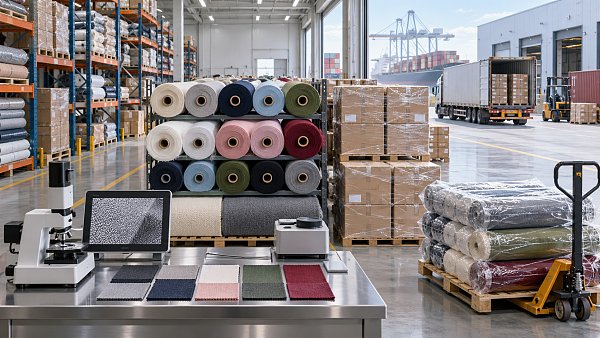
 Fabrics & YarnsWhat drives textile procurement cost beyond the quoted fabric price?Textile procurement cost goes far beyond the quoted fabric price. Discover how freight, quality, MOQ, compliance, payment terms, and supplier reliability shape total sourcing cost.Textile Industry AnalystOct 07, 2026
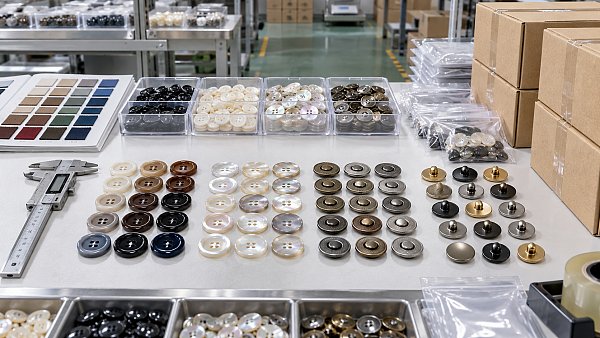
 Garment MfgWhat drives unit costs when buying garment buttons wholesale?Garment buttons wholesale costs depend on material, tooling, finish, MOQ, quality, packing, and freight. Learn how to compare true landed costs and source reliably.Textile Industry AnalystOct 06, 2026
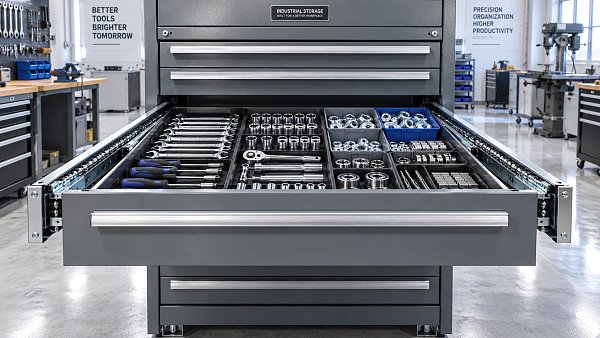
 Building HardwareWhat load rating should you specify for wholesale ball bearing slides?Wholesale ball bearing slides: learn how to specify the right load rating for drawer weight, extension, mounting, and durability. Source smarter and reduce failures.Tooling & Hardware LeadOct 05, 2026