Industry News
Curation by industry experts
Hot Articles
Popular Tags
China Customs Launches Smart Classification Pilot, Cuts Export Clearance Time by 40%
Introduction
China Customs has initiated a pilot program for its 'Smart Classification Pre-Ruling System for Hardware Exports' starting April 1, 2026, in Shenzhen, Ningbo, and Qingdao. This system targets 21 HS subcategories, including hand tools, power tools, and fasteners, reducing average clearance time from 3.8 to 2.3 days. Industries involved in hardware exports, manufacturing, and global trade should take note of this development as it significantly enhances efficiency and reduces operational delays.
Event Overview
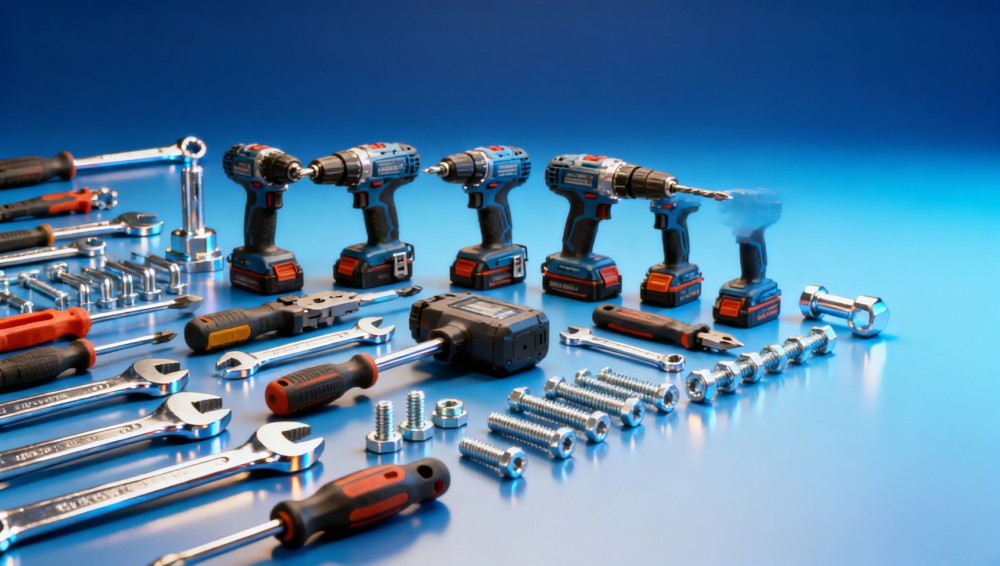
On April 1, 2026, China Customs launched a pilot program for its Smart Classification Pre-Ruling System, focusing on hardware tool exports. The system covers 21 HS subcategories, such as hand tools, electric tools, and fasteners. Companies can now receive electronic rulings within two working days after submitting their documents, cutting the average clearance time from 3.8 days to 2.3 days. The system supports English declarations and API integration, with data interfaces already available to B2B platforms like Global Sources and TradeKey.
Impact on Sub-Sectors
Direct Trade Enterprises
Exporters of hardware tools will benefit from faster clearance times, reducing lead times and improving supply chain reliability. The system's efficiency could lower logistics costs and enhance competitiveness in international markets.
Manufacturing and Processing Firms
Producers of hand tools, power tools, and fasteners may see smoother export processes, allowing for better production planning and inventory management. The reduced clearance time could also minimize delays in fulfilling orders.
Supply Chain and Logistics Providers
Logistics and freight forwarders handling hardware exports should adapt to the faster clearance process, optimizing their operations to align with the new timelines. API integration with B2B platforms may also streamline data exchange.
Key Considerations for Businesses
Monitor Policy Updates
Companies should stay informed about potential expansions of the pilot program to other regions or product categories, as well as any adjustments in the HS code classifications.
Leverage API Integration
Firms using B2B platforms like Global Sources or TradeKey should explore API connectivity to automate data submission and reduce manual processing.
Optimize Documentation
Ensure all export documentation is accurate and complete to avoid delays, as the system’s efficiency relies on prompt and correct submissions.
Editor’s Perspective
From an industry standpoint, this pilot represents a significant step toward digitizing and streamlining China’s export processes. While the immediate impact is limited to three cities and specific product categories, the success of this initiative could lead to broader adoption. Businesses should view this as a signal of China’s commitment to improving trade efficiency and prepare for potential wider implementation.
Conclusion
The Smart Classification Pre-Ruling System pilot marks a notable advancement in China’s export clearance procedures, offering tangible benefits for hardware tool exporters. While the current scope is limited, its success could pave the way for broader application. Companies in affected sectors should proactively adapt to these changes to maximize operational efficiency.
Source
China Customs General Administration, official announcement dated April 1, 2026. Further updates on the pilot’s expansion are pending.
Recommended News
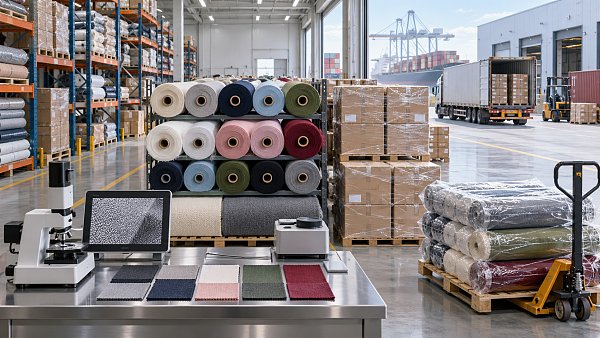
 Fabrics & YarnsWhat drives textile procurement cost beyond the quoted fabric price?Textile procurement cost goes far beyond the quoted fabric price. Discover how freight, quality, MOQ, compliance, payment terms, and supplier reliability shape total sourcing cost.Textile Industry AnalystOct 07, 2026
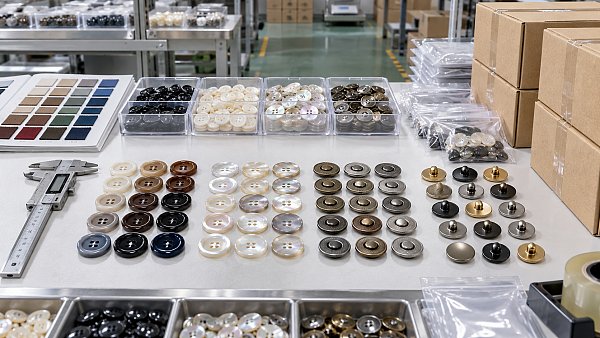
 Garment MfgWhat drives unit costs when buying garment buttons wholesale?Garment buttons wholesale costs depend on material, tooling, finish, MOQ, quality, packing, and freight. Learn how to compare true landed costs and source reliably.Textile Industry AnalystOct 06, 2026
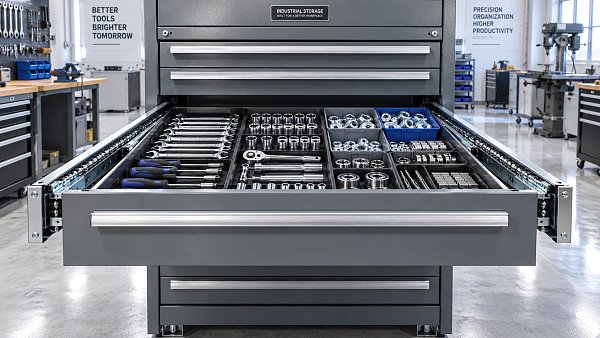
 Building HardwareWhat load rating should you specify for wholesale ball bearing slides?Wholesale ball bearing slides: learn how to specify the right load rating for drawer weight, extension, mounting, and durability. Source smarter and reduce failures.Tooling & Hardware LeadOct 05, 2026
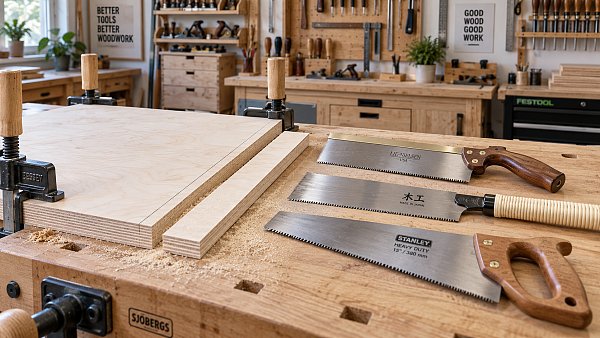
 Hand & Power ToolsHow to choose a hand saw for woodworking without tear-outHand saw for woodworking guide: choose the right tooth pattern, blade, and technique to achieve clean, precise cuts with less tear-out. Explore practical buying tips.Tooling & Hardware LeadOct 04, 2026