Industry News
Curation by industry experts
Hot Articles
Popular Tags
GSO New Energy Label Rules for Power Tools: Key Impacts & Compliance Guide
GSO New Energy Label Rules for Power Tools: Key Impacts & Compliance Guide
Introduction
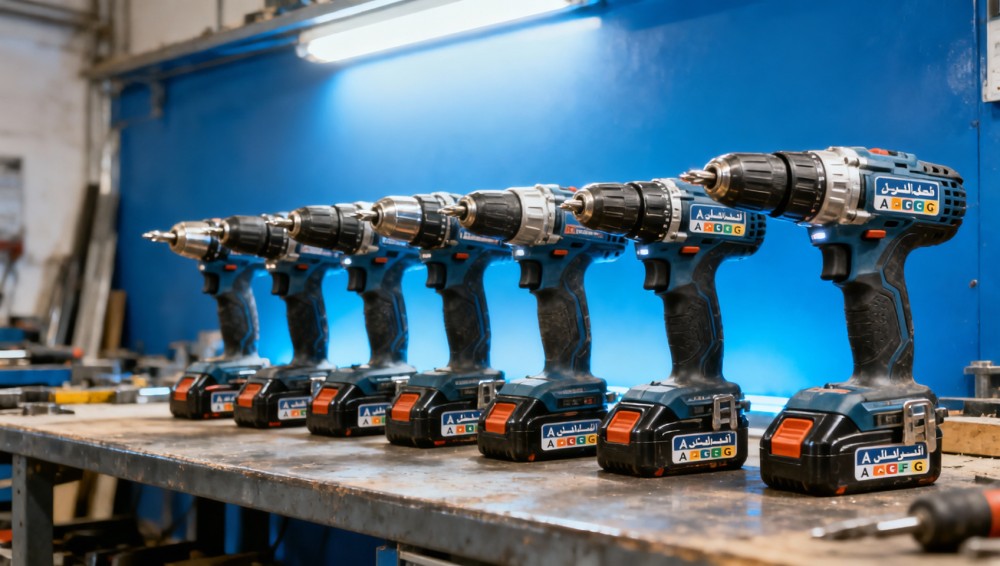
The Gulf Standardization Organization (GSO) has introduced mandatory energy efficiency labeling requirements for power tools across six Middle Eastern countries, effective April 6, 2026. This regulation directly impacts manufacturers, exporters, and supply chain operators serving Saudi Arabia, UAE, and other GCC markets. With a 90-day transition period before full enforcement begins on July 5, 2026, industry players must prioritize compliance testing and Arabic labeling adaptations to maintain market access.
Event Overview
The GSO IEC 62841-2-3:2026 regulation mandates:
- Energy efficiency testing at locally accredited laboratories
- Arabic-language energy labels (A-G rating scale) on all imported power tools
- Full compliance required by Q3 2026 (July 5 enforcement date)
Affected Industry Segments
Power Tool Manufacturers
Production lines must accommodate new labeling requirements while maintaining existing certifications. Analysis shows potential cost increases of 8-12% for dual-language packaging and compliance documentation.
Export-Oriented Suppliers
Chinese exporters face urgent testing timelines - current lead times at GCC-approved labs suggest bookings should be made by Q1 2026 to meet the deadline.
Distribution Channels
Importers and wholesalers must verify supplier compliance documentation before accepting shipments after July 5, 2026, to avoid customs clearance issues.
Key Action Points
Prioritize Testing Certification
Identify GSO-recognized laboratories immediately for energy efficiency verification testing.
Labeling System Overhaul
Implement Arabic-language labeling solutions that meet GSO's formatting requirements for permanent product marking.
Supply Chain Coordination
From industry perspective, manufacturers should confirm component suppliers understand the new regulations to prevent non-compliant materials from entering production streams.
Documentation Preparedness
Maintain updated technical files including test reports and Arabic label specifications for customs clearance.
Industry Observation
This regulation appears to signal GCC's broader push toward energy efficiency standardization. Current market intelligence suggests similar requirements may extend to other electrical equipment categories within 18-24 months. The 90-day transition period indicates urgency - companies with existing GCC market share should treat this as immediate operational priority rather than long-term compliance project.
Conclusion
The GSO energy labeling mandate represents a strategic shift in Middle Eastern market access requirements. While adding compliance burdens, it also creates differentiation opportunities for manufacturers demonstrating superior energy efficiency. Industry players should view this as both a regulatory hurdle and potential competitive advantage in sustainability-conscious markets.
Information Sources
- Gulf Standardization Organization (GSO) official release
- GSO IEC 62841-2-3:2026 technical documentation
- Note: Local implementation details may vary by GCC member state - ongoing monitoring recommended
Recommended News
 Fabrics & YarnsWhat drives textile procurement cost beyond the quoted fabric price?Textile procurement cost goes far beyond the quoted fabric price. Discover how freight, quality, MOQ, compliance, payment terms, and supplier reliability shape total sourcing cost.Textile Industry AnalystOct 07, 2026
 Garment MfgWhat drives unit costs when buying garment buttons wholesale?Garment buttons wholesale costs depend on material, tooling, finish, MOQ, quality, packing, and freight. Learn how to compare true landed costs and source reliably.Textile Industry AnalystOct 06, 2026
 Building HardwareWhat load rating should you specify for wholesale ball bearing slides?Wholesale ball bearing slides: learn how to specify the right load rating for drawer weight, extension, mounting, and durability. Source smarter and reduce failures.Tooling & Hardware LeadOct 05, 2026
 Hand & Power ToolsHow to choose a hand saw for woodworking without tear-outHand saw for woodworking guide: choose the right tooth pattern, blade, and technique to achieve clean, precise cuts with less tear-out. Explore practical buying tips.Tooling & Hardware LeadOct 04, 2026