Industry News
Curation by industry experts
Hot Articles
Popular Tags
Vietnam Raises Tariff on Chinese Smart LED Photo Lights to 12%
On July 14, 2026, Vietnam’s Ministry of Industry and Trade announced that a special import surtax on adjustable color temperature smart LED photographic lighting products from China will rise from 7% to 12%, effective August 1, 2026. The measure directly concerns Chinese exporters, Vietnamese distributors, and end users such as wedding photography studios that use these products for lighting system upgrades, because it affects both import cost expectations and the practical handling of product classification and origin documentation.

What the announced tariff change covers
The announced adjustment applies to adjustable color temperature smart LED photographic lighting products classified under HS 9405.40.90 and originating in China. According to the information provided, Vietnam will raise the special import additional tax rate on this category from 7% to 12% starting on August 1, 2026.
The stated purpose of the measure is to ease competitive pressure on domestic LED lighting manufacturers in Vietnam. The same information also indicates that this product category is widely used in overseas wedding photography studios when upgrading lighting systems.
It has also been noted that Chinese exporters need to provide Vietnamese distributors with certificates of origin, specifically Form E, in advance in order to optimize tariff classification handling.
Where the pressure points may emerge across the supply chain
Export transactions may face tighter documentation demands
From an industry perspective, Chinese exporters are likely to feel the impact first in quotation, customs preparation, and distributor coordination. The tariff increase changes the landed-cost calculation for shipments entering Vietnam, while the need to provide Form E in advance puts more weight on document timing and consistency in cross-border transactions.
Vietnamese distributors may need to reassess product mix and purchasing rhythm
For distributors in Vietnam, the main pressure may appear in procurement planning and margin management. A higher special import surcharge can affect inventory decisions, customer pricing discussions, and the pace of orders for products used in studio lighting upgrades. What deserves closer attention is how distributors align product classification, origin paperwork, and delivery schedules before the August 1 implementation date.
Wedding photography studios may see changes in upgrade budgeting
For end-use buyers such as wedding photography studios, the effect is less about policy administration and more about equipment acquisition cost and purchasing timing. Since the affected products are used in lighting system upgrades, any increase in import-side tax burden may influence purchase timing, model selection, or negotiation with local suppliers.
Supply chain service providers may need closer customs coordination
For logistics, customs, and trade service participants, the issue is operational rather than strategic. The combination of a specific HS code, a revised tax rate, and advance origin documentation means customs handling accuracy becomes more important. Businesses involved in shipment execution should pay attention to whether product descriptions and supporting documents are aligned before cargo arrival.
Operational issues companies should watch now
Track the implementation date against shipment planning
The announced effective date is August 1, 2026. Companies with goods moving into Vietnam around that date should pay close attention to shipment timing, customs clearance arrangements, and any commercial terms that depend on the applicable tariff rate.
Review classification and origin paperwork early
The provided information specifically highlights adjustable color temperature smart LED photographic lights under HS 9405.40.90 and calls for advance provision of Form E. In practice, that makes document preparation a near-term priority for exporters and distributors working on this product line.
Separate confirmed rules from business interpretation
Analysis shows the confirmed rule is limited to the announced tax increase, the covered product category, the origin condition, the effective date, and the stated policy purpose. Businesses should avoid treating broader market outcomes as settled facts and instead focus on the immediate compliance and pricing implications already identified in the announcement summary.
Prepare customer communication around cost and delivery
For companies serving Vietnamese distributors or studio buyers, it is sensible to clarify how the tariff adjustment may affect quotations, order confirmation, and lead-time expectations. This is especially relevant where projects involve lighting system upgrades and purchasing decisions are tied to budget cycles.
Why this reads as more than a routine rate change
Observably, this is not just a technical customs update for one lighting category. The stated rationale, easing pressure on domestic LED manufacturers, gives the adjustment a clearer industrial-policy signal. At the same time, the information provided does not support a broad conclusion about all lighting imports or a wider structural shift beyond this named category.
It is more appropriate to understand this as a targeted near-term policy move with practical commercial consequences, especially for businesses directly shipping, distributing, or buying smart LED photographic lighting products connected to studio upgrade demand in Vietnam. Continued observation is still necessary because the current input does not establish how enforcement details or market responses may evolve after the measure takes effect.
How the market may best interpret this development
At this stage, the most grounded reading is that Vietnam’s tariff adjustment creates an immediate operating issue for a specific imported LED lighting category rather than a fully defined long-term market outcome. The industry significance lies in the combination of higher import cost, a clearly identified HS classification, and the need for earlier origin-document coordination.
For companies exposed to this trade flow, the development is best treated as a concrete short-term change with broader policy implications worth monitoring, rather than as a finalized long-term market verdict.
Basis of this report and what still needs verification
This article is based on the user-provided news title, event date, and event summary. For developments of this type, common reference categories typically include official government announcements, company notices, industry association releases, authoritative media reporting, and standard or customs-related documentation.
No specific official source link was provided in the input, so the exact official publication path still requires ongoing verification. What deserves continued attention is whether any follow-up clarification appears regarding implementation practice, tariff classification handling, documentation requirements, or additional guidance affecting shipments after August 1, 2026.
Recommended News
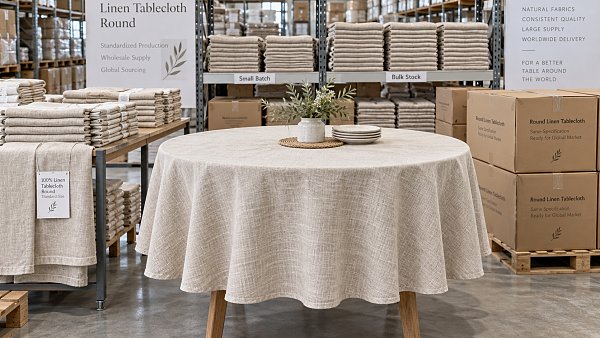
 Home DecorHow order size affects wholesale prices for round linen tableclothsBuying round linen tablecloths wholesale? Discover how order size, freight, and inventory costs affect pricing—and choose the right quantity to maximize real savings.Interior Sourcing LeadOct 14, 2026
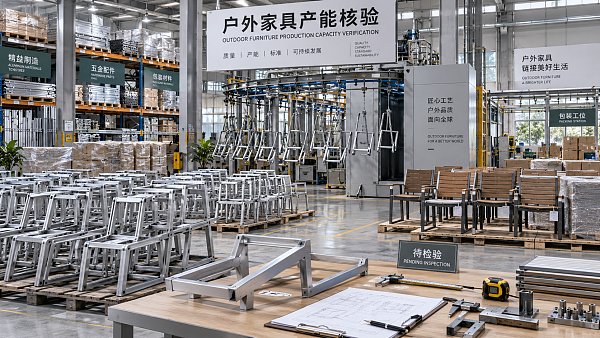
 Outdoor FurnitureHow to verify outdoor furniture manufacturers' production capacityCan outdoor furniture manufacturers deliver on time? Learn how to verify production capacity, uncover bottlenecks, and validate supplier commitments before placing your next order.Interior Sourcing LeadOct 13, 2026
 Commercial DisplaysWhat makes an outdoor digital signage display manufacturer reliable?Discover how to choose a reliable outdoor digital signage display manufacturer with proven weather protection, quality control, smart visibility, and responsive after-sales support.Commercial Tech EditorOct 12, 2026
 Garment MfgWhen do bulk embroidered hoodies offer better value than printed ones?Bulk embroidered hoodies deliver lasting value for uniforms and premium branding. Compare durability, design, comfort, and cost to choose the right decoration.Textile Industry AnalystOct 11, 2026