Industry News
Curation by industry experts
Hot Articles
Popular Tags
China Customs Adds Eco-Fabric Filing for Bridal Photo Textiles
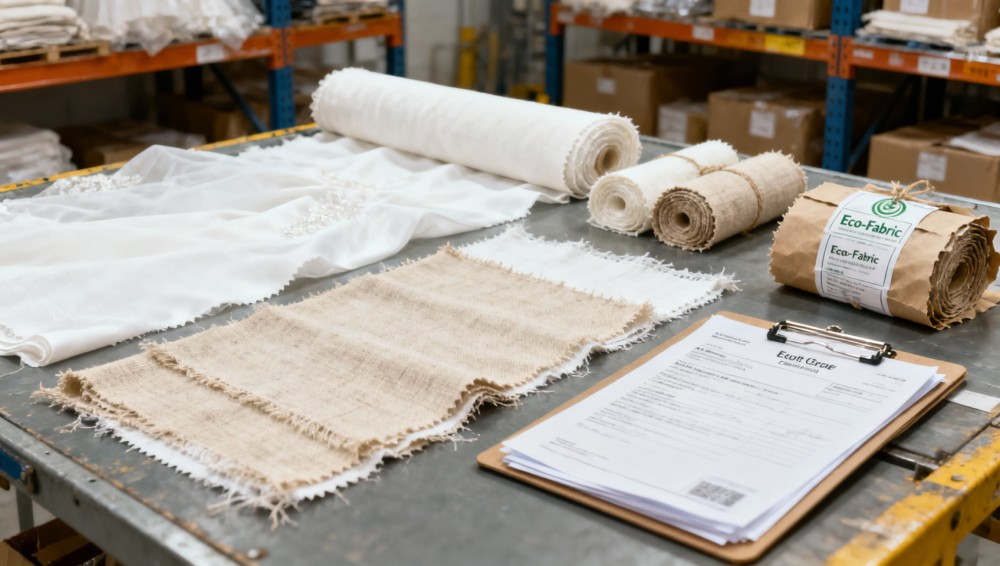
On July 7, 2026, China’s General Administration of Customs put a new filing requirement into effect for exports of wedding photography cotton-linen blended fabrics to the EU, Canada, and South Korea. The change centers on a dedicated “Eco-Fabric” declaration channel for products under HS codes 5210.51 and 5309.21, with certificate documents now tied more directly to customs filing. For exporters, sourcing teams, certification coordinators, and delivery planners, the development matters because it links shipment release conditions more closely to product certification and document readiness at the port stage.
What the New Customs Requirement Covers
According to Announcement No. 42 of 2026 issued by the General Administration of Customs of China, the measure took effect on July 7. It applies to wedding photography-use cotton-linen blended fabrics exported to the EU, Canada, and South Korea under HS codes 5210.51 and 5309.21.
The announcement introduced a dedicated “Eco-Fabric” declaration channel for those exports. The filing must be accompanied by either an OEKO-TEX Standard 100 Class I certificate or a GOTS v7.0 certificate, and the certificate must be issued by a CNAS-accredited laboratory.
The notice also states that failure to declare under this requirement will trigger stricter port inspection.
Where the Pressure Shifts Along the Trade Chain
Export filing moves closer to certification control
From an industry perspective, exporters are the first group directly affected because the new requirement sits at the customs declaration stage rather than only in commercial negotiation or buyer-side compliance review. The immediate impact is on document preparation, declaration accuracy, and shipment timing for covered fabric categories and destination markets.
What deserves closer attention is whether the certificate on hand matches the product scope, destination shipment, and customs filing rhythm. For export teams, the practical issue is no longer only whether certification exists in general, but whether valid supporting documents can be presented in a form that aligns with the new declaration channel.
Procurement and production coordination may tighten
For raw material buyers and processing manufacturers serving the wedding photography fabric segment, the rule change may affect upstream planning even though the customs obligation falls at export. If an order is intended for the EU, Canada, or South Korea and falls within the specified HS codes, sourcing and production teams may need to confirm earlier in the cycle whether the fabric can be supported by the required OEKO-TEX Standard 100 Class I or GOTS v7.0 documentation from a CNAS-accredited laboratory.
Analysis shows the operational effect is likely to appear in material selection, order confirmation, batch document matching, and handoff between factory and exporter. Any disconnect between goods, test documentation, and shipment paperwork could create friction near delivery.
Testing and compliance service work becomes more time-sensitive
Certification-related companies and testing service providers may also feel the change through tighter delivery expectations from clients. The announcement does not add broader new certification categories beyond the two listed standards, but it does make certificate availability more relevant to customs processing for the covered exports.
Observably, this increases the importance of certificate validity review, laboratory accreditation status, and document issuance timing. For compliance support teams, the key business impact lies in response speed and document consistency rather than in broader market expansion assumptions.
What Companies Should Check Now
Confirm product scope and destination alignment
Companies handling cotton-linen blended fabrics for wedding photography use should first verify whether their shipments fall within HS codes 5210.51 or 5309.21 and whether the destination market is the EU, Canada, or South Korea. This is the threshold question for deciding whether the “Eco-Fabric” declaration channel applies.
Review certificate readiness before shipment booking
Where the rule applies, firms should check whether they hold an OEKO-TEX Standard 100 Class I certificate or a GOTS v7.0 certificate issued by a CNAS-accredited laboratory, and whether that document can be submitted together with the declaration package. The announcement does not provide additional operational detail beyond that requirement, so companies should treat document completeness as a current point of attention rather than assume a settled execution practice.
Recheck handoff between sales, compliance, and customs teams
Analysis shows an internal coordination gap could become a practical risk area. Sales teams may commit delivery schedules, production teams may prepare goods, and customs teams may only discover late in the process that the required certificate package is incomplete or not aligned with the filing. For that reason, firms should pay closer attention to document handoff, internal review checkpoints, and shipment release preparation for covered orders.
Watch for follow-on wording in trade documents
It is more appropriate to understand this as a rule change that may also influence downstream paperwork expectations. Companies should monitor whether purchase documents, product specifications, or shipment support files begin to reflect the new declaration requirement more explicitly. Since the input does not provide further implementation detail, this remains a point to watch rather than a confirmed market-wide outcome.
Why This Looks Like an Execution Signal
Observably, this development is more than a general policy statement because it took effect on a stated date, identifies product scope through HS codes, specifies destination markets, names accepted certification routes, and sets out a consequence for non-declaration in the form of stricter port inspection. That combination makes it more appropriate to understand the change as an executed customs control measure rather than a loose policy direction.
At the same time, analysis shows there is still room for continued observation around how consistently the requirement is applied in practice, how strictly supporting documents are reviewed at filing, and whether market participants adjust tender, sourcing, or delivery processes in response. The current significance lies in the formal linkage between customs declaration and recognized eco-textile certification documents for a defined export segment.
How to Read the Change at This Stage
For the industry, the immediate meaning of this notice is not that the entire textile trade environment has shifted, but that a specific export category now faces a more explicit customs-document interface tied to certification. The practical consequence is greater sensitivity around compliance preparation for affected shipments.
From an industry perspective, the most reasonable reading at this stage is that the rule has already landed as an operational requirement for covered exports, while the broader execution rhythm still deserves monitoring. Companies involved in these products should therefore treat the notice as an active filing and inspection signal, with follow-up attention on document practice, certification alignment, and port-level implementation feedback.
Basis of This Article
This article is generated from the user-provided news title, event date, and event summary. The factual basis used here is limited to the provided description of China Customs Announcement No. 42 of 2026, its July 7, 2026 effective date, the specified HS codes, destination markets, certificate requirements, and the stated inspection consequence for non-declaration.
For this type of development, source categories typically relevant to further verification include official announcements, customs or trade authority releases, industry association updates, standards organization documents, and reporting by authoritative trade media. A specific official source link was not provided in the input, so that link still needs to be verified on an ongoing basis.
What still warrants continued checking includes any detailed implementation wording, certificate review practice, filing interpretation, changes in trade documentation, and market feedback from companies handling affected exports.
Recommended News
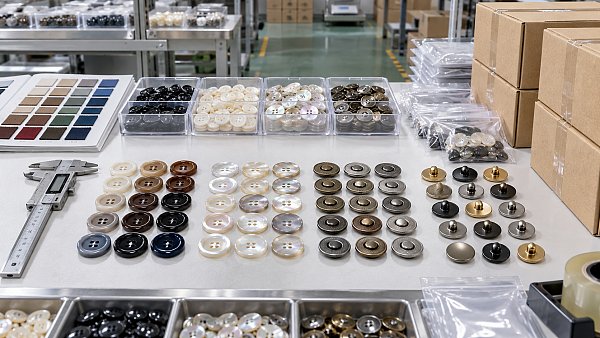
 Garment MfgWhat drives unit costs when buying garment buttons wholesale?Garment buttons wholesale costs depend on material, tooling, finish, MOQ, quality, packing, and freight. Learn how to compare true landed costs and source reliably.Textile Industry AnalystOct 06, 2026
 Building HardwareWhat load rating should you specify for wholesale ball bearing slides?Wholesale ball bearing slides: learn how to specify the right load rating for drawer weight, extension, mounting, and durability. Source smarter and reduce failures.Tooling & Hardware LeadOct 05, 2026
 Hand & Power ToolsHow to choose a hand saw for woodworking without tear-outHand saw for woodworking guide: choose the right tooth pattern, blade, and technique to achieve clean, precise cuts with less tear-out. Explore practical buying tips.Tooling & Hardware LeadOct 04, 2026
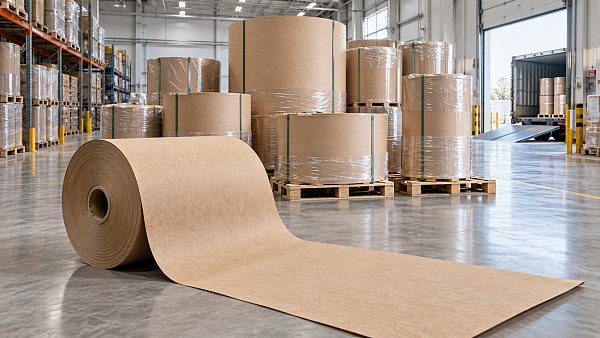
 Eco PackagingWhat affects the price of kraft paper rolls bought wholesale?Kraft paper rolls wholesale pricing depends on grade, basis weight, roll size, order volume, freight, and certifications. Learn how to compare landed costs and choose reliable value.Packaging Supply ExpertOct 03, 2026