Industry News
Curation by industry experts
Hot Articles
Popular Tags
New Textile Standards Target Pet and Healthcare Sectors
On March 31, 2026, three Chinese ministries jointly released the "Textile Industry Optimization and Upgrade Action Plan," explicitly listing pet textiles and healthcare textiles as key areas for standardization. This marks the first time these emerging sectors have been prioritized in national textile standards, signaling new opportunities for manufacturers and exporters in high-value niche markets.
Event Overview
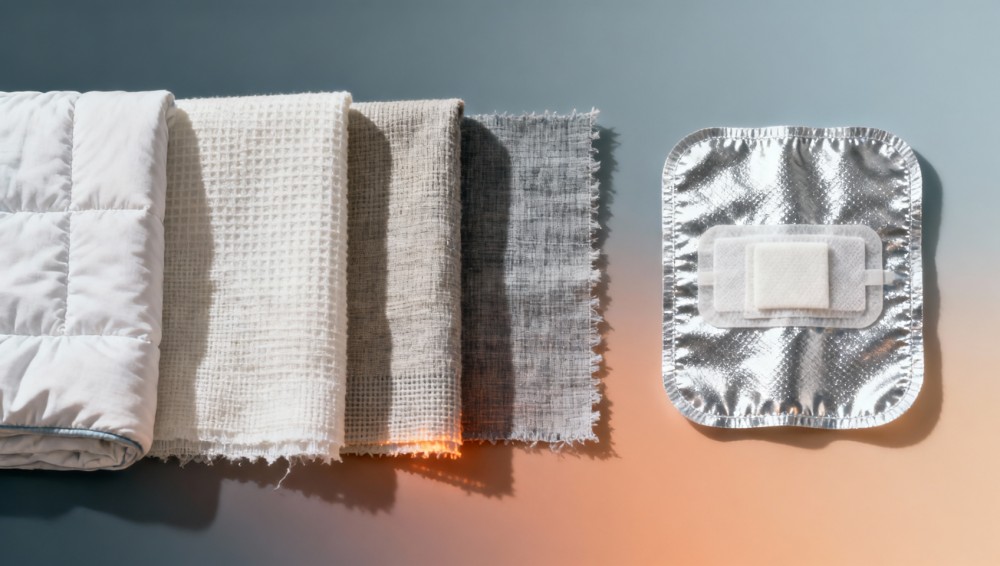
The action plan specifies the development of technical standards for antibacterial bedding, flame-retardant fabrics for pets, and silver-ion medical dressings. The policy aligns with global trends, including 12% annual growth in Western pet economies and surging imports of elderly-care textiles in Japan.
Impact on Sub-Sectors
Pet Textile Manufacturers
Producers of pet apparel and accessories gain certified production benchmarks, particularly for flame-resistant materials. The standards create export advantages for companies targeting Western markets where safety certifications are mandatory.
Medical Textile Suppliers
Healthcare fabric manufacturers receive clear guidelines for antimicrobial and geriatric-care products, reducing compliance risks for exports to aging societies like Japan and the EU.
Raw Material Providers
Specialty fiber suppliers should anticipate increased demand for silver-ion threads and high-performance synthetics, with standardized testing methods reducing buyer-seller disputes.
Key Action Points
Monitor Certification Timelines
Track the phased implementation schedule for specific standards between Q2 2026 and 2027.
Audit Current Production
Conduct gap analyses against draft standards for antimicrobial efficacy (ISO 20743) and flame resistance (ISO 15025).
Engage Testing Agencies
Pre-register with CNAS-accredited labs for future compliance testing to avoid bottlenecks.
Industry Perspective
Analysis suggests this represents preparatory policy signaling rather than immediate regulatory change. The standards framework enables Chinese firms to compete in premium segments currently dominated by European and Japanese manufacturers. However, actual market penetration will depend on subsequent implementation rules and international mutual recognition agreements.
Conclusion
While not yet creating immediate compliance requirements, the plan provides strategic direction for textile enterprises to diversify into higher-margin segments. Companies should treat this as a 12-18 month preparation window for technical upgrades and certification planning.
Sources
1. Official release by Ministry of Industry and Information Technology (March 31, 2026)
2. Pending: Detailed technical specifications (Expected Q3 2026)
Recommended News
 Fabrics & YarnsWhat drives textile procurement cost beyond the quoted fabric price?Textile procurement cost goes far beyond the quoted fabric price. Discover how freight, quality, MOQ, compliance, payment terms, and supplier reliability shape total sourcing cost.Textile Industry AnalystOct 07, 2026
 Garment MfgWhat drives unit costs when buying garment buttons wholesale?Garment buttons wholesale costs depend on material, tooling, finish, MOQ, quality, packing, and freight. Learn how to compare true landed costs and source reliably.Textile Industry AnalystOct 06, 2026
 Building HardwareWhat load rating should you specify for wholesale ball bearing slides?Wholesale ball bearing slides: learn how to specify the right load rating for drawer weight, extension, mounting, and durability. Source smarter and reduce failures.Tooling & Hardware LeadOct 05, 2026
 Hand & Power ToolsHow to choose a hand saw for woodworking without tear-outHand saw for woodworking guide: choose the right tooth pattern, blade, and technique to achieve clean, precise cuts with less tear-out. Explore practical buying tips.Tooling & Hardware LeadOct 04, 2026