Industry News
Curation by industry experts
Hot Articles
Popular Tags
RCEP Upgrade Enters Force: Zero Tariffs for Wedding Photo Fabrics Between China, Japan, Korea
On May 24, 2026, the RCEP Secretariat confirmed the entry into force of the RCEP Origin Rules Amendment Protocol, granting zero-tariff treatment to 17 additional tariff lines—including polyester-cotton blended fabric for wedding and photography use (HS 551421)—for trade among China, Japan, and South Korea. This development directly affects textile exporters, garment manufacturers, and supply chain service providers engaged in cross-border trade under RCEP, warranting close attention due to its operational implications for origin certification and market access.
Event Overview
On May 24, 2026, the RCEP Secretariat officially announced the entry into force of the RCEP Origin Rules Amendment Protocol. Under this amendment, 17 new tariff items—including HS 551421 (polyester-cotton blended fabric specifically used for wedding and photography apparel)—now qualify for zero tariffs among RCEP parties. Notably, exporters must now self-issue an origin declaration (Form RCEP-A) registered with customs authorities; third-party-issued certificates are no longer accepted.
Industries Affected
Direct Exporters of Wedding & Photography Fabrics
Exporters supplying HS 551421 fabric from China, Japan, or South Korea to other RCEP markets face a procedural shift: eligibility for zero tariffs now hinges on accurate, self-declared origin documentation—not third-party verification. This increases compliance responsibility and requires internal capacity for origin determination and declaration management.
Textile Manufacturers & Converters
Manufacturers producing HS 551421 fabric—particularly those sourcing yarns or fibers across RCEP countries—must reassess their production processes against revised origin criteria. The amendment does not relax origin requirements; it only expands tariff benefits. Thus, material sourcing patterns and value-added thresholds remain critical for qualifying under Form RCEP-A.
Supply Chain & Logistics Service Providers
Freight forwarders, customs brokers, and trade compliance consultants supporting textile exporters must update client guidance and internal workflows to reflect the mandatory use of Form RCEP-A. Training on declaration preparation, record-keeping obligations, and audit readiness becomes more urgent given the absence of third-party attestation.
Key Considerations and Recommended Actions
Monitor official implementation guidance from national customs authorities
While the Protocol entered into force on May 24, 2026, national customs administrations may issue supplementary instructions on Form RCEP-A registration, data fields, retention periods, or verification procedures. Exporters should track announcements from China Customs, Japan Customs, and Korea Customs Service—not just RCEP Secretariat updates.
Verify HS 551421 classification and origin eligibility before shipment
HS 551421 is narrowly defined as ‘polyester-cotton blended fabrics for wedding and photography use’. Misclassification—e.g., applying it to general apparel fabrics—may invalidate zero-tariff claims. Companies should confirm product-specific classification and conduct origin rule assessments (e.g., change in tariff heading or regional value content) prior to issuing Form RCEP-A.
Distinguish between tariff eligibility and origin compliance
The Protocol grants zero tariffs but imposes stricter origin accountability. A firm may qualify for duty-free treatment yet still face post-clearance audits if Form RCEP-A declarations lack substantiating records (e.g., bills of materials, supplier declarations, production logs). Compliance readiness—not just tariff savings—should drive internal preparation.
Update procurement and documentation systems ahead of high-season demand
Given that wedding and photography fabric demand peaks in Q3–Q4, companies should complete customs registration for Form RCEP-A issuance, train staff, and integrate origin data collection into purchase orders and production tracking by mid-June 2026 to avoid clearance delays during peak export periods.
Editorial Observation / Industry Perspective
Observably, this amendment functions primarily as an administrative refinement—not a structural trade liberalization step. It extends preferential access to a narrowly defined textile category while tightening origin enforcement. Analysis shows the shift from third-party certification to self-declaration reflects RCEP’s broader trend toward trusted trader frameworks, where regulatory trust is earned through verifiable internal controls rather than external validation. From an industry perspective, the change signals growing emphasis on origin traceability and exporter accountability, rather than immediate cost reduction. It is better understood as a compliance inflection point than a market-opening event.
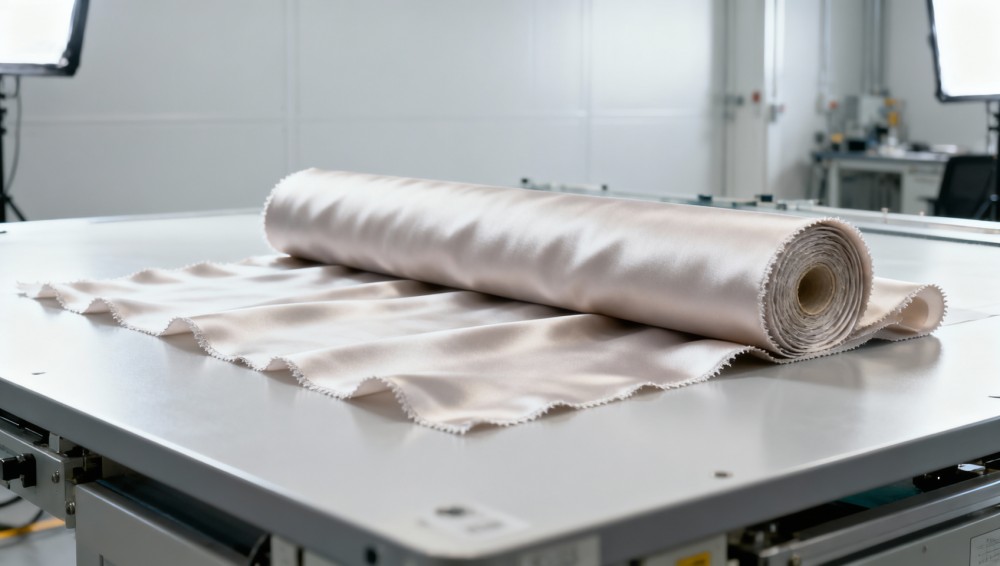
Conclusion: The entry into force of the RCEP Origin Rules Amendment Protocol marks a targeted adjustment in tariff treatment and origin administration—not a broad-based trade expansion. For affected firms, the primary implication lies in strengthened documentation discipline and proactive alignment with national customs implementation timelines. It is more appropriately understood as a procedural upgrade requiring operational adaptation, rather than a strategic market opportunity in itself.
Source: RCEP Secretariat official announcement (May 24, 2026); HS code references and procedural details confirmed in the published text of the RCEP Origin Rules Amendment Protocol. Note: National implementation measures—such as domestic registration processes for Form RCEP-A—are pending further clarification from individual member customs administrations and remain under observation.
Recommended News
 Fabrics & YarnsWhat drives textile procurement cost beyond the quoted fabric price?Textile procurement cost goes far beyond the quoted fabric price. Discover how freight, quality, MOQ, compliance, payment terms, and supplier reliability shape total sourcing cost.Textile Industry AnalystOct 07, 2026
 Garment MfgWhat drives unit costs when buying garment buttons wholesale?Garment buttons wholesale costs depend on material, tooling, finish, MOQ, quality, packing, and freight. Learn how to compare true landed costs and source reliably.Textile Industry AnalystOct 06, 2026
 Building HardwareWhat load rating should you specify for wholesale ball bearing slides?Wholesale ball bearing slides: learn how to specify the right load rating for drawer weight, extension, mounting, and durability. Source smarter and reduce failures.Tooling & Hardware LeadOct 05, 2026
 Hand & Power ToolsHow to choose a hand saw for woodworking without tear-outHand saw for woodworking guide: choose the right tooth pattern, blade, and technique to achieve clean, precise cuts with less tear-out. Explore practical buying tips.Tooling & Hardware LeadOct 04, 2026