Industry News
Curation by industry experts
Hot Articles
Popular Tags
Vietnam Tightens Formaldehyde Limit for Wedding Backdrop Fabrics to 20 ppm
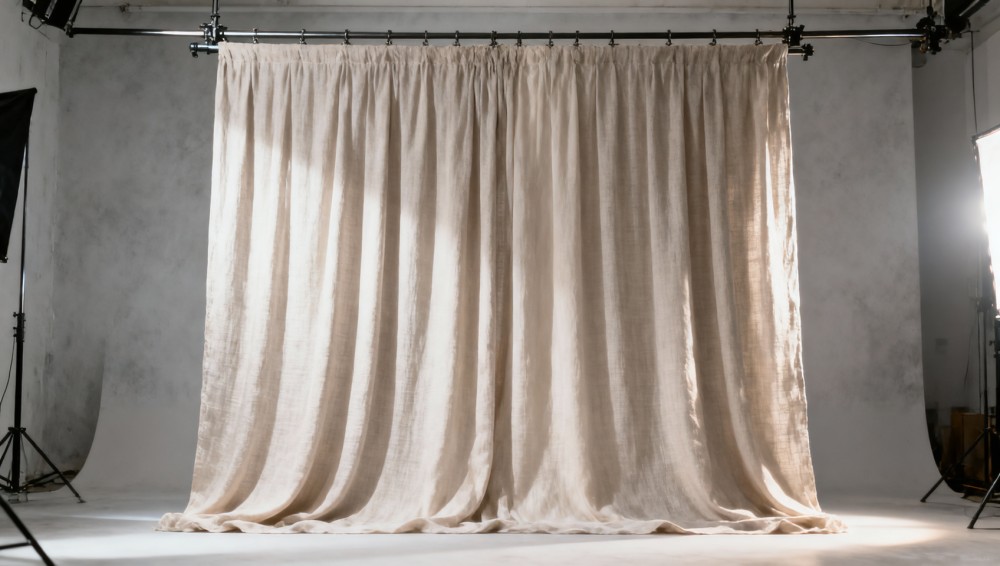
Vietnam’s Ministry of Industry and Trade (MOIT), in coordination with the National Standardization Agency (TCVN), issued Revision No. 2 of QCVN 17:2026 on May 9, 2026 — tightening the free formaldehyde limit for cotton-linen and polyester-cotton blended fabric backdrops used in wedding photography from 75 ppm to 20 ppm, and introducing a mandatory pH range of 4.0–7.5. This update directly affects over 600 fabric backdrop export manufacturers in South China’s manufacturing clusters, as non-compliant products — lacking updated test reports and labeling — will be rejected upon arrival at Hanoi Customs.
Event Overview
On May 9, 2026, TCVN and Vietnam’s MOIT jointly published Revision No. 2 of National Technical Regulation QCVN 17:2026. The revision applies specifically to textile backdrop fabrics (cotton-linen or polyester-cotton blends) intended for wedding photography use. It reduces the maximum allowable free formaldehyde concentration from 75 ppm to 20 ppm and adds a new requirement: pH must fall within 4.0–7.5. Enforcement begins June 15, 2026. Products entering Vietnam without compliant test reports and updated labeling will be denied customs clearance at Hanoi port.
Industries Affected by This Revision
Direct Exporters (South China-based Fabric Backdrop Manufacturers)
Over 600 export-oriented factories in South China supply wedding backdrop fabrics to Vietnamese distributors and studios. These manufacturers are directly impacted because compliance is now verified at point of entry. Non-conforming shipments — even if previously accepted under QCVN 17:2026 (original version) — will face rejection, leading to storage fees, rework delays, or return logistics costs.
Raw Material Suppliers (Cotton, Linen, and Blended Yarn/Fabric Providers)
Suppliers of base fabrics and pre-treated textiles must now ensure upstream inputs meet the revised formaldehyde and pH thresholds. Downstream buyers are likely to request updated supplier declarations and mill test data — increasing documentation requirements and potentially triggering requalification of existing material lots.
Testing and Certification Service Providers
Laboratories accredited for textile chemical testing (e.g., ISO/IEC 17025) will see increased demand for formaldehyde quantification (per ISO 14184-1 or equivalent) and pH measurement (per ISO 3071). Turnaround time, method validation scope, and report formatting aligned with Vietnam’s customs documentation standards become operationally critical.
Distribution and Import Agents (Vietnam-based)
Vietnamese importers and local distributors bear responsibility for pre-clearance verification. Under the new rule, they must confirm that each shipment includes a valid third-party test report (issued ≤ 90 days prior to import) and labels showing formaldehyde content ≤ 20 ppm and pH 4.0–7.5. Absence of either triggers automatic hold at Hanoi Customs.
What Relevant Enterprises or Practitioners Should Focus On and How to Respond
Monitor official implementation guidance from Vietnam’s General Department of Vietnam Customs and MOIT
While the revision is effective June 15, 2026, practical enforcement protocols — including acceptable test methods, report templates, and transitional arrangements for pending shipments — may be clarified via subsequent circulars. Subscribing to MOIT and Customs e-notices is advised.
Prioritize formaldehyde and pH retesting for current inventory and active production batches
Manufacturers should not assume legacy test reports remain valid. All stock destined for Vietnam after June 15 must carry newly issued reports reflecting the 20 ppm limit and pH range. Retesting should be scheduled with labs offering rapid turnaround and Vietnam-recognized accreditation.
Update product labeling to include formaldehyde content and pH range — not just compliance statements
The revision implies enforceable disclosure: labels must state measured values (e.g., “Formaldehyde: ≤18 ppm; pH: 6.2”) rather than generic claims like “meets QCVN 17”. Label format must be legible, permanent, and affixed before customs declaration.
Engage logistics partners early to align documentation workflows
Freight forwarders and customs brokers handling Vietnam-bound cargo should be briefed on the new labeling and reporting requirements. Pre-submission of test reports and label samples to brokers helps avoid last-minute document rejection during customs filing.
Editorial Perspective / Industry Observation
Observably, this revision signals Vietnam’s broader shift toward aligning textile safety requirements with ASEAN harmonized standards — particularly those concerning skin-contact textiles with prolonged proximity (e.g., backdrops used in studio settings where subjects may lean against or brush against fabric). Analysis shows the 20 ppm threshold matches the EU’s REACH restriction for articles intended for direct skin contact, suggesting Vietnam is elevating baseline expectations for imported consumer-facing textiles. From an industry perspective, it is less a one-off adjustment and more an early indicator of tightening regulatory scrutiny across photo studio supplies — including props, drapes, and upholstery textiles — in coming years. Current enforcement focus remains narrow (only cotton-linen/poly-cotton backdrops), but the precedent sets higher traceability and transparency expectations across the supply chain.
This update is not yet indicative of a full regulatory cascade, but rather a targeted, enforceable standard upgrade with immediate operational consequences. Its significance lies not in scope breadth, but in its strict enforcement mechanism — customs-level rejection — which raises the cost of non-compliance from administrative correction to tangible financial loss.
Conclusion
This revision represents a concrete, near-term compliance milestone for exporters of wedding photography textiles to Vietnam — not a broad policy signal or long-term trend forecast. It reflects a specific, measurable shift in technical requirements, with defined timelines and verifiable enforcement criteria. Currently, it is best understood as a mandatory operational checkpoint: affected businesses must verify, retest, relabel, and re-document — not reinterpret strategy or pivot markets. Rational response prioritizes execution accuracy over speculation.
Source Attribution
Main source: Official Revision Notice No. 2 of QCVN 17:2026, jointly issued by Vietnam’s Ministry of Industry and Trade (MOIT) and the National Standardization Agency (TCVN), dated May 9, 2026.
Points requiring ongoing observation: Implementation guidelines from Vietnam Customs; potential expansion of scope to other studio textile categories beyond backdrops.
Recommended News
 Home DecorHow to compare floating wall shelves suppliers for consistent load capacityFloating wall shelves supplier comparison guide: evaluate load capacity, brackets, wall fixings, testing, and production consistency before you buy.Interior Sourcing LeadSep 23, 2026
 Office FurnitureWhen does a custom executive office desk justify its higher cost?Discover when a custom executive office desk is worth the investment—from tailored layouts and integrated technology to durable materials and long-term value.Interior Sourcing LeadSep 22, 2026
 Office FurnitureWhich high back ergonomic office chairs fit all-day desk work?High back ergonomic office chairs for all-day desk work: compare lumbar support, seat depth, armrests, recline, and materials to find a better fit.Interior Sourcing LeadSep 21, 2026
 Commercial LEDWhen does a 200W linear high bay provide enough light for a warehouse?Discover when a 200W linear high bay delivers sufficient warehouse lighting, with practical guidance on lumens, mounting height, aisle layout, and uniformity.Commercial Tech EditorSep 20, 2026