Industry News
Curation by industry experts
Hot Articles
Popular Tags
Digital Fabric Printing for Fashion: When Short Runs Make More Sense
In fashion sourcing, speed, flexibility, and inventory control often matter more than pure volume. Digital fabric printing for fashion helps brands answer demand with shorter lead times and less stock exposure.
For limited collections, test drops, and seasonal capsules, digital fabric printing for fashion can reduce sampling waste, support customization, and improve response to fast-moving trends.
This matters across the broader supply chain. It affects textile planning, print accuracy, inventory strategy, sustainability targets, and cross-border sourcing decisions in a volatile market.
What is digital fabric printing for fashion, and why does it suit short runs?
Digital fabric printing for fashion applies artwork directly onto fabric using inkjet-based systems. It skips many setup steps required in conventional screen printing.
That difference is crucial for short runs. Without screen engraving and complex color preparation, small orders become economically realistic and operationally faster.
Fashion products now move in smaller cycles. Micro collections, influencer-led edits, and region-specific launches often need lower minimums and flexible replenishment.
Digital fabric printing for fashion supports these needs by making it easier to print only what is likely to sell. That reduces dead stock and markdown pressure.
It also improves design freedom. Complex gradients, photographic details, and frequent pattern changes are easier to execute without rebuilding physical screens.
Why setup economics change the decision
Traditional methods usually become more cost-efficient at high volume. Their setup costs are spread over thousands of meters.
Short runs work differently. If styles change fast, setup costs, sampling rounds, and unsold inventory can outweigh the lower unit price of conventional printing.
This is where digital fabric printing for fashion often makes more sense. It shifts the decision from lowest unit cost to best total commercial outcome.
When does digital fabric printing for fashion make more sense than conventional printing?
The answer depends on order size, color complexity, speed requirements, and forecasting confidence. Short runs are usually the strongest case, but not the only one.
Digital fabric printing for fashion is especially useful in these situations:
- Capsule collections with uncertain demand
- Seasonal trend tests before wider rollout
- Frequent design updates across multiple SKUs
- Personalized or localized pattern programs
- Sampling where color approval speed matters
- Reorders that are too small for screens
It may be less suitable when designs are simple, volumes are very large, and repeat demand is stable. In those cases, conventional printing can still win on cost.
The real decision is not digital versus traditional in isolation. It is matching print technology to business risk, order behavior, and product lifecycle.
A practical comparison
How do cost, lead time, and inventory risk compare in short-run fashion programs?
Many sourcing teams focus first on print price per meter. That is important, but it is not the full financial picture.
Digital fabric printing for fashion often carries a higher unit print cost than high-volume screen printing. Yet short-run economics favor lower commitment and faster adjustment.
A better comparison includes total landed and commercial cost:
- Sampling iterations and approval delays
- Minimum order quantity pressure
- Warehousing of speculative stock
- Markdowns from missed demand
- Air freight triggered by late development
When demand is uncertain, smaller committed volume can protect margin. Printing closer to actual orders is often more valuable than chasing the lowest initial meter cost.
Lead time is another advantage. Digital fabric printing for fashion can shorten development cycles, especially when artwork changes late or approval windows are tight.
That speed supports better trend timing. In fashion, hitting the market at the right moment can matter more than saving a small amount on production.
A useful decision test
If forecast accuracy is weak, if style life is short, or if artwork changes frequently, digital fabric printing for fashion deserves serious evaluation.
If style continuity is strong and reorder visibility is high, conventional methods may still provide better scale efficiency.
What quality, fabric, and sustainability factors should be checked before choosing digital fabric printing for fashion?
Not all fabrics behave the same way. Print clarity, color yield, hand feel, and wash performance depend on substrate, pre-treatment, ink chemistry, and finishing control.
Before approving digital fabric printing for fashion, confirm these technical points:
- Fiber content and compatibility with the print process
- Colorfastness to washing, rubbing, and light
- Strike-off consistency across batches
- Fabric shrinkage after finishing
- File preparation and color management standards
Sustainability also matters. Digital methods can lower waste by reducing excess inventory and limiting unnecessary setup materials.
However, environmental performance should not be assumed. Water use, chemical handling, energy consumption, and certification status still need verification at supplier level.
The strongest programs combine digital flexibility with traceable fabrics, controlled processing, and documented compliance. That creates better trust across sourcing, retail, and regulatory review.
Common quality mistake
One frequent error is approving visual print quality without testing end-use performance. A beautiful strike-off means little if the garment fails after laundering or wear.
What risks and misconceptions surround digital fabric printing for fashion?
A common misconception is that digital automatically beats conventional printing in every case. It does not. The advantage depends on order profile and operational goals.
Another mistake is treating all digital suppliers as equal. Machine capability, color workflow, finishing quality, and fabric expertise vary widely.
Key risks include:
- Mismatch between artwork detail and fabric texture
- Color variation without disciplined profiling
- Overestimating cost savings at larger volumes
- Ignoring post-print finishing requirements
- Selecting on speed alone, not repeatability
Digital fabric printing for fashion works best inside a structured evaluation process. Fast onboarding without testing often leads to inconsistent outcomes later.
Quick risk-check table
How should a sourcing decision be made for short-run fashion printing?
A practical sourcing decision starts with business intent, not technology preference. Define whether the goal is market testing, speed, personalization, or inventory reduction.
Then compare suppliers using a balanced scorecard:
- Check minimums, lead times, and print capacity.
- Review substrate expertise by fabric type.
- Validate color management and testing protocols.
- Assess compliance, traceability, and ESG documentation.
- Model total cost, including markdown and stock exposure.
This method is especially relevant in global sourcing, where freight variability, quality assurance, and replenishment timing affect the final margin more than expected.
Digital fabric printing for fashion is not simply a production tool. It is a supply chain lever for responsiveness, design agility, and smarter order commitment.
Final takeaway: when do short runs truly make more sense?
Short runs make more sense when uncertainty is high, style cycles are fast, and product decisions depend on real market feedback rather than long-range forecasts.
In that environment, digital fabric printing for fashion offers a practical balance of speed, control, and reduced waste. It helps align production with demand instead of assumption.
The next step is simple. Review current short-run styles, compare total cost against inventory risk, and test digital options on the fabrics and designs that move fastest.
With disciplined evaluation, digital fabric printing for fashion can become a stronger sourcing choice, especially where flexibility and timing create more value than scale alone.
Recommended News
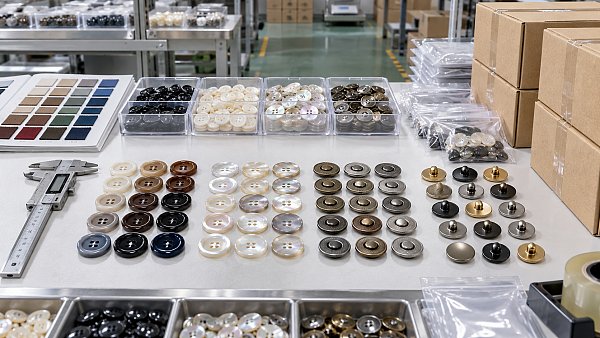
 Garment MfgWhat drives unit costs when buying garment buttons wholesale?Garment buttons wholesale costs depend on material, tooling, finish, MOQ, quality, packing, and freight. Learn how to compare true landed costs and source reliably.Textile Industry AnalystOct 06, 2026
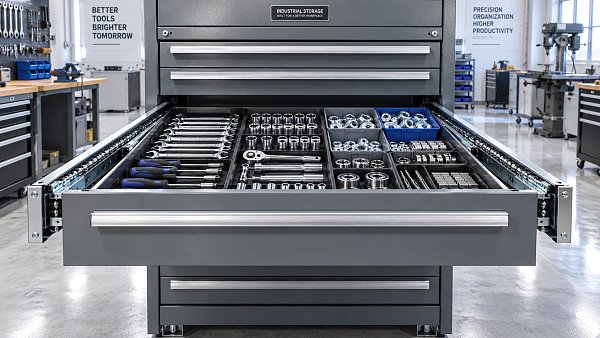
 Building HardwareWhat load rating should you specify for wholesale ball bearing slides?Wholesale ball bearing slides: learn how to specify the right load rating for drawer weight, extension, mounting, and durability. Source smarter and reduce failures.Tooling & Hardware LeadOct 05, 2026
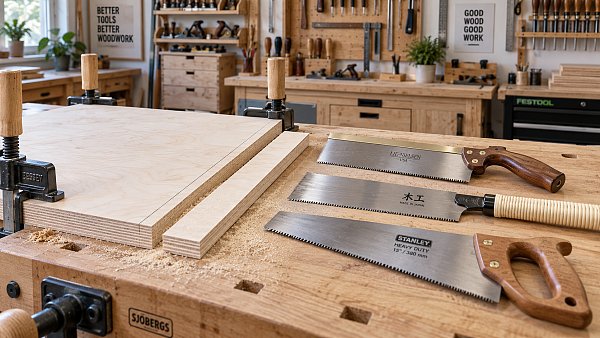
 Hand & Power ToolsHow to choose a hand saw for woodworking without tear-outHand saw for woodworking guide: choose the right tooth pattern, blade, and technique to achieve clean, precise cuts with less tear-out. Explore practical buying tips.Tooling & Hardware LeadOct 04, 2026
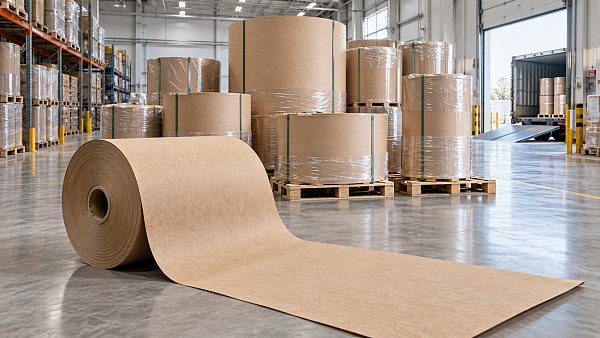
 Eco PackagingWhat affects the price of kraft paper rolls bought wholesale?Kraft paper rolls wholesale pricing depends on grade, basis weight, roll size, order volume, freight, and certifications. Learn how to compare landed costs and choose reliable value.Packaging Supply ExpertOct 03, 2026