Industry News
Curation by industry experts
Hot Articles
Popular Tags
Filament LED Bulbs vs Edison Style Bulbs: Which Looks Better?
When comparing filament LED bulbs with Edison-style options, looks matter just as much as light quality. For homeowners and design-conscious shoppers, filament LED bulbs offer a classic vintage appearance with modern efficiency, while traditional Edison-style bulbs bring nostalgic charm and warm ambiance. This guide explores which choice looks better in different spaces and how to match style with function.
For many buyers, the decision is not simply about brightness or energy use. It is about how a bulb shapes the mood of a dining room, makes a pendant fixture feel premium, or helps an exposed socket become a visible design feature. In the broader lighting and décor market, filament LED bulbs now sit at the intersection of interior styling, practical performance, and smarter long-term value.
This matters to end consumers, but it also reflects a larger retail and sourcing trend. Lighting products are increasingly evaluated on 4 dimensions at once: appearance, color quality, operating life, and fixture compatibility. A bulb that looks beautiful for 2 weeks but creates glare, excess heat, or early failure is rarely the right purchase. That is why the visual comparison between filament LED bulbs and Edison-style bulbs deserves a closer, more structured review.
What Each Bulb Type Really Looks Like in Everyday Use
At first glance, filament LED bulbs and Edison-style bulbs can appear nearly identical. Both often use clear glass, visible internal elements, and heritage-inspired shapes such as ST64, G95, or tubular T30 formats. The difference becomes more obvious when the bulb is switched on, viewed at night, or used in open fixtures where the lamp itself becomes part of the room’s visual identity.
Filament LED bulbs: cleaner vintage styling with a refined finish
Modern filament LED bulbs are designed to imitate the glowing lines of traditional tungsten filaments, but they often present a more controlled, symmetrical appearance. The internal LED filaments are usually straighter, more evenly spaced, and visually consistent from bulb to bulb. In a row of 3 to 6 pendant lights, this uniformity tends to look more polished, especially in kitchens, cafés, vanities, and entryways.
Because many filament LED bulbs are available in 2200K to 2700K color temperatures, they can still create a warm, amber-toned effect without looking old-fashioned in a dated way. For shoppers who want a vintage look that feels intentional rather than antique-heavy, filament LED bulbs usually deliver the better balance.
Edison-style bulbs: stronger nostalgia and visible character
The term Edison-style bulbs can refer to decorative bulbs inspired by Thomas Edison-era lamps, including both incandescent and LED versions. When consumers specifically mean classic Edison bulbs, they often picture thicker glowing filaments, deeper amber glass, and a softer, less engineered visual profile. This aesthetic works well in rustic interiors, industrial lofts, bars, and vintage-themed retail spaces.
In rooms with brick, dark wood, iron hardware, or leather furnishings, Edison-style bulbs can feel more atmospheric. Their charm is not always precision; it is personality. Some buyers actually prefer a slightly irregular glow because it feels more authentic and less technical.
The visual question is not only shape, but glow
A bulb may look attractive when off, yet too harsh when on. In many home settings, the difference comes down to glare control, filament arrangement, and glass tint. Clear-glass filament LED bulbs can sometimes appear brighter to the eye at 400 to 800 lumens because the light distribution is cleaner. Traditional Edison-style incandescent bulbs often feel softer, but they may also produce more visible heat and less efficient brightness for the same decorative effect.
The table below compares the most noticeable appearance-related differences that shoppers usually encounter before buying decorative lighting.
The key takeaway is simple: if you want a crisp decorative bulb that still feels vintage, filament LED bulbs often look better. If you want a bulb to actively create an old-world atmosphere, Edison-style bulbs can be more emotionally expressive.
Which Looks Better in Different Rooms and Fixture Styles
There is no universal winner because visual success depends on placement. A bulb that looks stunning in a restaurant-style pendant may look too exposed in a bedside lamp. To make a better buying decision, consumers should evaluate at least 5 room variables: fixture openness, mounting height, surrounding materials, desired mood, and daily usage time.
Best spaces for filament LED bulbs
Filament LED bulbs are especially attractive in spaces where decorative bulbs remain visible for 4 to 8 hours per day. In kitchens, breakfast nooks, bathroom vanities, and multi-light chandeliers, their consistent visual alignment matters. A set of matching bulbs above an island or dining table usually looks more intentional when the internal filaments are balanced and the light output remains within a close range, such as 450 to 700 lumens per bulb.
- Open globe pendants in modern farmhouse homes
- Linear chandeliers with 3, 5, or 7 exposed sockets
- Hallway sconces where bulb symmetry is highly visible
- Home offices that need style without sacrificing usable light
Best spaces for Edison-style bulbs
Traditional Edison-style bulbs often look better in mood-driven environments where lower brightness is acceptable and visual warmth is the priority. Think reading corners, bar cabinets, loft bedrooms, or statement wall sconces. In these locations, 200 to 400 lumens can be enough if the bulb is acting as accent lighting rather than the room’s main source.
- Industrial wall fixtures with black metal finishes
- Restaurant-inspired dining corners and breakfast bars
- Vintage table lamps with exposed bulb cages
- Decorative shelving or display areas needing ambiance over task light
The role of ceiling height and eye level
A bulb suspended at eye level is judged much more critically than a bulb mounted 2.4 to 3 meters overhead. In lower pendant arrangements, consumers typically notice filament structure, tint, and glare immediately. This is where filament LED bulbs frequently outperform older Edison-style options, especially if dimmable models are used with compatible controls.
The following comparison helps match decorative bulb style to room type and purchasing priorities.
For mixed-use homes, many consumers end up using both. Filament LED bulbs often cover the main visible fixtures, while Edison-style bulbs serve selective accent roles in 1 or 2 atmosphere-focused areas.
Appearance vs Performance: Why Style Should Not Be Judged Alone
Although the headline question is about which bulb looks better, most purchase regret comes from ignoring performance details. A beautiful bulb that flickers, overheats, or dims poorly can ruin the intended visual effect. In decorative lighting, the best-looking option is often the one that still looks good after 6 months of real use, not just on the first evening.
Energy use and bulb longevity affect the visual experience
Filament LED bulbs typically consume around 2W to 8W in decorative formats while providing a lifespan commonly rated in the 15,000 to 25,000 hour range. Traditional Edison-style incandescent bulbs often use much more power and may last only around 1,000 to 3,000 hours. For consumers with fixtures turned on 5 hours daily, that difference changes replacement frequency and long-term consistency in how the room looks.
Frequent bulb changes can create mismatched color tones, especially if replacement stock is unavailable later. In this practical sense, filament LED bulbs often preserve a room’s appearance more reliably over time.
Color temperature, CRI, and dimming matter more than most buyers expect
Two decorative bulbs may both look vintage, yet perform very differently once installed. Buyers should check at least 3 specifications before purchasing:
- Color temperature: 2200K to 2400K for deeper amber ambiance, 2500K to 2700K for a cleaner warm-white look.
- CRI level: 80 is common, but 90+ often makes wood, fabric, and skin tones appear richer.
- Dimming compatibility: important for dining rooms, bedrooms, and hospitality-inspired spaces.
A poorly chosen 2700K bulb can look too pale in a vintage fixture, while an ultra-amber bulb can make a practical space feel underlit. For most households, the visual sweet spot is usually a dimmable filament LED bulb in the 2200K to 2700K range, paired with exposed fixtures where the bulb itself is part of the décor story.
When Edison-style still wins on pure mood
If the goal is atmosphere over efficiency, a classic Edison-style bulb can still be the stronger decorative choice. In restaurants, lounge corners, or intentionally low-light home spaces, its glow may feel softer and more emotionally resonant. The trade-off is that this look often comes with higher energy use, more heat, and more frequent replacement.
How to Choose the Better-Looking Option for Your Home
The easiest way to choose between filament LED bulbs and Edison-style bulbs is to follow a simple 4-step filter. This approach keeps the decision practical while protecting the visual result.
Step 1: Define the bulb’s role
Ask whether the bulb is meant for main illumination, layered lighting, or decorative ambiance. If it serves as the primary visible light source, filament LED bulbs usually offer the better balance of appearance and function. If it is mainly decorative and used for short evening periods, Edison-style may still be worth considering.
Step 2: Match shape to fixture proportions
A bulb can be visually correct in style but wrong in scale. For compact sconces, smaller candle or mini-globe forms may look best. For open pendants, larger ST64 or G95 decorative profiles create stronger presence. In many retail settings, consumers underestimate how much a 2 to 3 centimeter increase in bulb diameter changes the final look.
Step 3: Test visual warmth, not just brightness
Brightness alone does not define appeal. A 500-lumen bulb at 2200K can feel more inviting than a 700-lumen bulb at 2700K in a rustic room. If possible, buyers should compare 2 nearby options in the same fixture type before replacing all bulbs in a space.
Step 4: Think about replacement consistency
For chandeliers, vanities, and multi-pendant arrangements, consistency matters. If one bulb fails early, can you buy the same tint, shape, and brightness again? Filament LED bulbs generally perform better here because market availability is wider and standardization is stronger across many consumer lighting channels.
Common buying mistakes to avoid
- Choosing very amber bulbs for task-heavy spaces such as bathrooms or kitchens
- Ignoring dimmer compatibility, which can cause flicker or limited adjustment range
- Using oversized Edison-style bulbs in small shades where the design becomes crowded
- Buying mixed batches that create uneven color or filament appearance across one fixture set
Final Recommendation for Style-Conscious Buyers
If the question is which looks better in the widest range of homes, filament LED bulbs are usually the stronger choice. They preserve the decorative charm people want from vintage-inspired lighting while offering cleaner lines, better consistency, and practical everyday performance. For open fixtures, multi-bulb arrangements, and rooms used daily, they tend to deliver the most reliable visual result.
Edison-style bulbs still have a clear place. They often look best when the goal is intimacy, nostalgia, and a stronger old-world mood. In selective accent locations, that character can be more visually compelling than a technically cleaner LED look.
For consumers, retailers, and sourcing teams evaluating decorative lighting within the Lighting & Displays segment, the smartest decision is to match bulb style to room intent, viewing distance, and daily operating needs. If you want help comparing decorative bulb options, selecting the right vintage look, or reviewing broader lighting solutions, contact Global Supply Review to explore more product insights and tailored guidance.
Recommended News
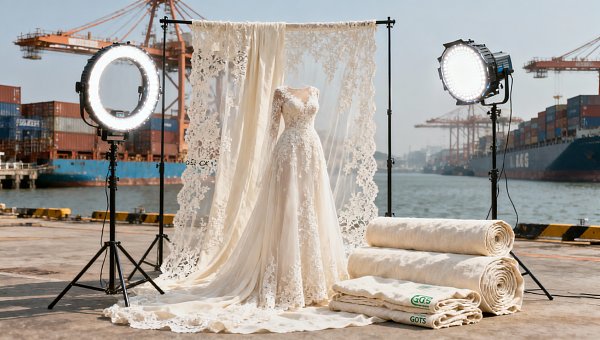
 Export UpdatesNingbo Port Launches 'Green Export Index' for Wedding Photography GoodsWedding photography goods exporters: Ningbo Port’s new Green Export Index reveals 98.2% customs pass rate for OEKO-TEX®/GOTS fabrics & IEC 62471 LED lights — boost your sustainability credibility now.May 09, 2026
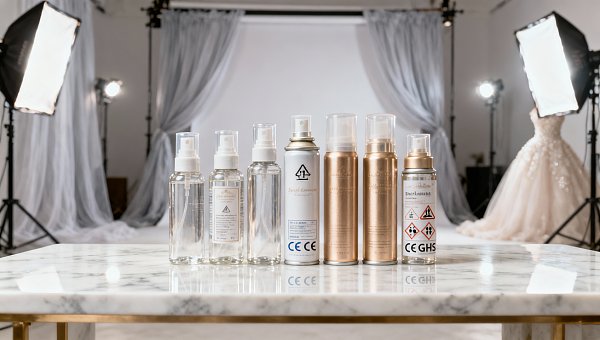
 Carton & PlasticsECHA Adds D-Limonene to SVHC List: Impact on Bridal Photo Spray ExportsBridal photo spray exporters: ECHA’s D-Limonene SVHC listing (May 2026) triggers urgent SDS & label updates for EU-bound hair and fabric sprays.Packaging Supply ExpertMay 09, 2026
 Fabrics & YarnsVietnam Enforces QCVN 17:2026 for Wedding Photo BackdropsVietnam enforces QCVN 17:2026 for wedding photo backdrops—mandatory formaldehyde testing & B1 flame-retardant labeling. Ensure compliance now to avoid market access delays.Textile Industry AnalystMay 09, 2026
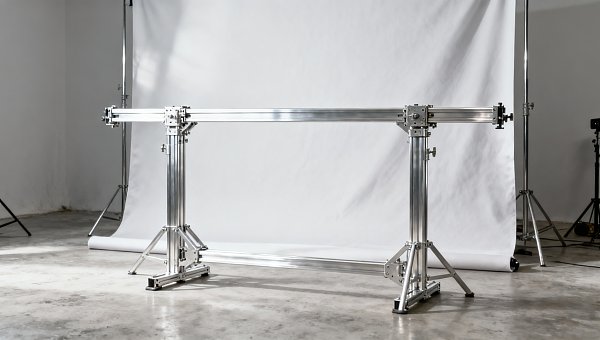
 Building HardwareIndia BIS Mandate: Aluminum Photo Backdrop Stands Must Pass Dual Testing by June 30, 2026Aluminum photo backdrop stands for wedding photography must pass BIS salt spray & load testing by June 30, 2026—secure certification now to avoid import bans in India.Tooling & Hardware LeadMay 09, 2026