Industry News
Curation by industry experts
Hot Articles
Popular Tags
Wholesale Solar String Lights: What Affects Outdoor Lifespan
When buying wholesale solar string lights for patios, gardens, cafes, events, or retail programs, lifespan matters just as much as appearance. A product may look attractive on the shelf or in online listings, yet outdoor durability depends on a combination of technical and environmental factors. Battery chemistry, solar panel conversion efficiency, LED chip quality, waterproof construction, and even the way the lights are installed can all change how long the set performs reliably. Understanding these details helps reduce replacement frequency, protect budget, and improve long-term satisfaction with outdoor lighting investments.
What does lifespan really mean for wholesale solar string lights?
Many buyers assume lifespan refers to a single number, but wholesale solar string lights actually have several life indicators. The first is LED life, which can often reach tens of thousands of hours under stable conditions. The second is battery life, which is usually much shorter and often determines when performance begins to decline. The third is system life, including the solar panel, wiring, seals, switches, and controller board.
For outdoor use, practical lifespan is not just whether the lights still turn on. It includes how many hours they illuminate after a full day of charging, whether brightness remains consistent, and whether exposure to rain, dust, heat, or winter cold causes failures. In other words, the useful life of wholesale solar string lights should be measured by performance retention rather than simple survival.
This is especially important across the broader lighting and displays segment of the general trade industry, where product selection often balances style, operating cost, replacement cycle, and user expectations. A lower upfront price may not represent real value if the system weakens after one season.
How do battery quality and solar panel efficiency affect outdoor lifespan?
The battery is one of the most critical components in wholesale solar string lights. In many products, rechargeable AA or built-in lithium batteries store the solar energy collected during daylight hours. Over time, charge capacity drops through repeated cycles. When battery quality is poor, users notice shorter run times, weak brightness, and inconsistent operation much sooner.
Battery chemistry matters. Lithium-ion and lithium iron phosphate options typically offer better energy density and cycle stability than lower-grade nickel-based alternatives, although final performance still depends on cell quality and controller design. A reliable battery management circuit helps prevent overcharging, deep discharge, and overheating, all of which shorten service life.
Solar panel quality is equally important. If the panel converts sunlight inefficiently, the battery may never reach a full charge, even in good weather. That puts the battery in a chronic undercharged state and reduces nightly illumination time. In wholesale solar string lights, monocrystalline panels generally perform better than lower-efficiency panel types, especially in variable light conditions.
A simple way to think about it is this: the solar panel feeds the battery, and the battery feeds the LEDs. Weakness in either part reduces total lifespan. Products with balanced component quality tend to hold performance longer than sets that advertise decorative design but use undersized solar modules or low-grade cells.
Quick signs of stronger energy system design
- Monocrystalline solar panel with clear wattage information
- Replaceable or clearly specified battery type
- Charging and runtime data tested under defined conditions
- Protection against overcharge and deep discharge
- Consistent brightness rather than dramatic output drop after a few hours
Which weather and material factors shorten the life of wholesale solar string lights?
Outdoor conditions are often the main reason wholesale solar string lights fail earlier than expected. Water ingress is a leading issue. Even if a product is labeled for outdoor use, weak seals around the battery box, switch, panel housing, or bulb sockets can allow moisture inside. Once water reaches metal contacts or circuit boards, corrosion begins and reliability drops quickly.
UV exposure is another hidden factor. Sunlight can embrittle low-grade plastic, fade housings, and crack insulation over time. In hot climates, heat buildup inside dark-colored battery cases may accelerate battery aging. In cold climates, low temperatures reduce battery efficiency and may shorten charging time windows during winter months.
Material choice influences long-term resilience. Heavy-duty rubberized cable, stabilized plastic, sealed connectors, stainless or coated metal parts, and thicker panel covers generally hold up better outdoors. This is why not all wholesale solar string lights marketed as weatherproof perform the same in real applications such as restaurant terraces, garden borders, pergolas, wedding venues, or seasonal retail displays.
Wind also matters. Unsupported strings that swing sharply or remain under excessive tension can suffer internal wire fatigue. In coastal regions, salt air increases corrosion risk and makes durable housing materials even more important.
How does installation location change the lifespan of wholesale solar string lights?
Even a well-built set of wholesale solar string lights may underperform if installed poorly. The most common mistake is placing the solar panel in partial shade. Trees, walls, umbrellas, roof edges, and decorative structures can significantly reduce charging efficiency. Less charging means deeper battery discharge at night, which increases wear over time.
Panel angle is also important. A panel mounted flat in a dusty area may collect dirt and water spots, reducing energy capture. A better angle improves sunlight exposure and self-cleaning during rain. In temporary event installations, it is easy to prioritize appearance and forget panel orientation, but that often leads to complaints about weak runtime rather than product defects.
Mechanical installation affects durability as well. Wires stretched too tightly between poles or hooks are more likely to fail. Battery boxes placed near standing water, sprinkler systems, or ground contact face avoidable moisture stress. For long service life, wholesale solar string lights should be installed with gentle cable support, protected control boxes, and enough slack to reduce strain from wind and temperature expansion.
Installation practices that improve lifespan
- Place the solar panel in full sun for most of the day
- Avoid nearby artificial light that may interfere with dusk sensors
- Keep the battery box above ground and away from irrigation spray
- Support long spans to reduce cable tension and wind movement
- Clean the solar panel surface regularly
What should you compare before choosing wholesale solar string lights?
Choosing durable wholesale solar string lights requires more than checking color temperature or bulb shape. Product pages and catalogs should be reviewed for component transparency. If critical specifications are missing, it becomes difficult to estimate outdoor lifespan with confidence.
Useful comparison points include battery replaceability, panel type, ingress protection rating, cable thickness, LED spacing, charging time, and stated runtime. Certification and test reporting can also add confidence, especially for products intended for ongoing outdoor use across hospitality, landscaping, or decorative commercial settings.
Comparing these details makes it easier to separate decorative impulse products from long-lasting wholesale solar string lights designed for repeated outdoor use.
What are the most common mistakes and misconceptions about outdoor lifespan?
One common misconception is that a higher lumen claim automatically means better quality. In reality, brighter output can drain stored energy faster if the battery and solar panel are not properly matched. Another mistake is assuming every outdoor label means year-round durability in all climates. Some wholesale solar string lights are suitable for light seasonal use but not for constant exposure to extreme rain, snow, or heat.
Users also overlook maintenance. Dust on the panel, moisture trapped in connectors, and battery aging are normal issues that require occasional attention. If replaceable batteries are supported, changing them at the right time can extend the practical service life of the string set instead of replacing the entire product.
Price-only decisions are another risk. Very low-cost wholesale solar string lights may use thinner wire, weaker seals, and unverified cells. They can still be acceptable for short-term decorative projects, but they are rarely the best option where reliability across multiple seasons matters.
FAQ: How can you judge whether wholesale solar string lights will last?
The outdoor lifespan of wholesale solar string lights is shaped by component quality, environmental exposure, and installation practice working together. Products built with efficient solar panels, durable batteries, weather-resistant materials, and thoughtful electrical design will generally deliver better seasonal performance and lower replacement cost. To make a smarter decision, compare technical specifications carefully, match the product to the actual outdoor setting, and plan for basic maintenance rather than assuming all solar decorative lights perform equally. A careful evaluation at the selection stage leads to more dependable lighting, stronger value, and fewer surprises after installation.
Recommended News
 Export UpdatesNingbo Port Launches 'Green Export Index' for Wedding Photography GoodsWedding photography goods exporters: Ningbo Port’s new Green Export Index reveals 98.2% customs pass rate for OEKO-TEX®/GOTS fabrics & IEC 62471 LED lights — boost your sustainability credibility now.May 09, 2026
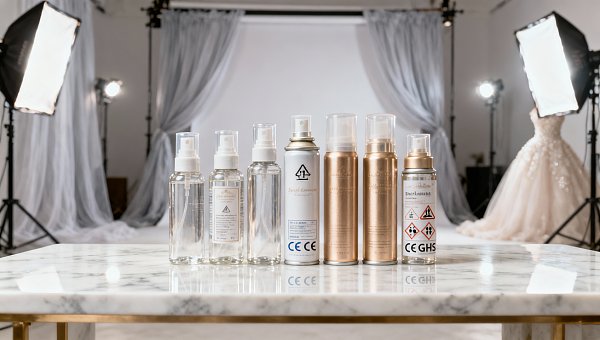
 Carton & PlasticsECHA Adds D-Limonene to SVHC List: Impact on Bridal Photo Spray ExportsBridal photo spray exporters: ECHA’s D-Limonene SVHC listing (May 2026) triggers urgent SDS & label updates for EU-bound hair and fabric sprays.Packaging Supply ExpertMay 09, 2026
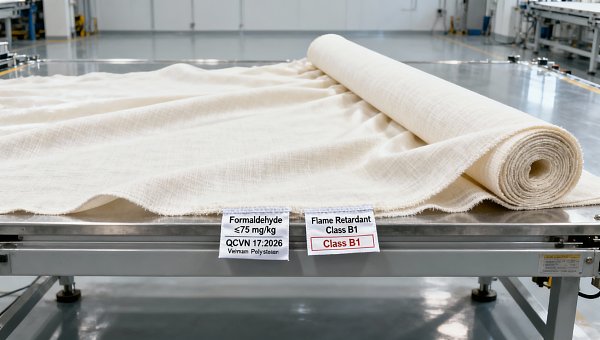
 Fabrics & YarnsVietnam Enforces QCVN 17:2026 for Wedding Photo BackdropsVietnam enforces QCVN 17:2026 for wedding photo backdrops—mandatory formaldehyde testing & B1 flame-retardant labeling. Ensure compliance now to avoid market access delays.Textile Industry AnalystMay 09, 2026
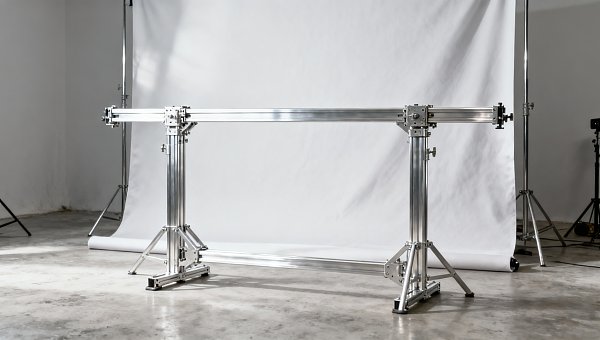
 Building HardwareIndia BIS Mandate: Aluminum Photo Backdrop Stands Must Pass Dual Testing by June 30, 2026Aluminum photo backdrop stands for wedding photography must pass BIS salt spray & load testing by June 30, 2026—secure certification now to avoid import bans in India.Tooling & Hardware LeadMay 09, 2026