Industry News
Curation by industry experts
Hot Articles
Popular Tags
Electric Wire Rope Hoist Buying Guide for Safe Lifting and Load Control
Selecting the right electric wire rope hoist is critical for safe lifting, precise load control, and long-term operational efficiency. For technical evaluators, the decision goes beyond rated capacity to include duty cycle, lifting speed, braking performance, installation environment, and compliance requirements. This guide outlines the essential factors that help you compare models confidently, reduce risk, and choose equipment that meets both application demands and safety standards.
What is an electric wire rope hoist, and why is it often preferred for controlled lifting?
An electric wire rope hoist is a powered lifting device that uses a steel wire rope wound around a drum to raise and lower loads. In technical evaluation, it is usually considered when the lifting task demands higher lifting heights, better speed control, smoother operation, and stronger durability than many light-duty alternatives. Compared with manual lifting systems or simpler electric chain configurations, an electric wire rope hoist is widely selected for workshops, fabrication lines, warehouses, assembly plants, maintenance bays, and industrial handling points where precision and repeatability matter.
The reason buyers focus on this equipment is not just lifting power. It is the combination of load stability, motorized movement, predictable braking, and suitability for integration with cranes, monorails, or girder systems. For technical teams, this means the hoist must be reviewed as part of a larger lifting system rather than as a standalone item. The rope arrangement, hook path, trolley interface, control pendant, and emergency stop logic all influence operational safety.
In many procurement decisions, the electric wire rope hoist becomes the preferred choice when the application includes medium to heavy loads, long lift travel, repetitive cycles, or a need to minimize load swing. If the process involves expensive components, fragile tooling, or positioning near personnel, fine load control is often more important than headline lifting capacity.
Which application scenarios are most suitable for an electric wire rope hoist?
Not every lifting task needs the same hoist configuration. A technical evaluator should first map the equipment to the real use case. An electric wire rope hoist is especially suitable in environments where lifting height is significant, duty cycles are demanding, or the load requires smooth acceleration and deceleration. This includes steel service centers, machinery assembly lines, mold handling stations, logistics hubs, maintenance workshops, and building material yards.
It is also well matched to operations where load control is essential. For example, when moving dies, compressors, fabricated frames, industrial cabinets, or packaged equipment, poor stopping performance can lead to collision, swing, or product damage. In these cases, technical teams should look beyond basic lifting ability and assess inching control, dual-speed functions, inverter-based variable speed options, and hook approach dimensions.
However, suitability also depends on the operating environment. If the site has high humidity, abrasive dust, elevated temperatures, corrosive vapors, or outdoor exposure, the electric wire rope hoist should be checked for motor insulation class, enclosure protection, anti-corrosion treatment, and weather shielding. In food, chemical, or hazardous areas, additional compliance requirements may apply, and standard models may not be acceptable.
What should technical evaluators check first when comparing electric wire rope hoist models?
The first mistake many buyers make is starting with price or nominal capacity. A better method is to confirm the application profile. That includes the actual load range, peak load, center of gravity behavior, lift height, daily operating hours, starts per hour, travel frequency, and whether the hoist must stop at precise positions. These operating facts determine whether a model is correctly sized or only appears adequate on paper.
After that, technical evaluators should review the following core factors:
- Rated load and true working load, including any lifting attachment weight
- Lifting height and available rope length
- Hoisting speed, low-speed control, and optional variable frequency drive
- Duty classification and thermal limits of the motor and brake
- Power supply compatibility, voltage fluctuation tolerance, and control voltage
- Brake type, response time, and fail-safe performance
- Rope construction, drum design, reeving system, and rope fleet angle
- Headroom, side approach, and installation compatibility with the crane structure
- Safety devices such as overload protection, upper and lower limit switches, and emergency stop
- Maintenance access, spare parts availability, and service documentation
For a technical audience, these details matter because an underspecified electric wire rope hoist may pass initial acceptance yet fail in reliability, stopping accuracy, or service life. The right model is the one that matches both the mechanical demand and the operational pattern.
How do duty cycle, lifting speed, and braking affect safe lifting and load control?
These three factors are closely linked. Duty cycle determines how frequently and how long the hoist can operate without overheating or excessive wear. A model chosen only by capacity may not survive in a production cell with constant starts, short intervals, and repeated lifts. Technical evaluators should verify the hoist classification against real use intensity rather than nominal assumptions.
Lifting speed influences productivity, but higher speed is not always better. In applications involving precise assembly, machine loading, or work near obstacles, low-speed control may be more valuable than fast cycle time. Dual-speed or variable-speed electric wire rope hoist systems can reduce impact at takeoff and landing, improve operator confidence, and lower the risk of load swing. This is especially important when handling high-value components or loads with shifting balance.
Braking performance is a safety-critical issue. Evaluators should confirm whether the brake is electromagnetic, fail-safe, and designed to hold the load securely during power loss. They should also ask about brake wear monitoring, adjustment intervals, and stopping consistency under repeated cycles. Weak or inconsistent braking can create drift, shock loading, and uncontrolled positioning. In many real-world operations, reliable braking is one of the most important reasons to upgrade to a better electric wire rope hoist specification.
Quick comparison table for evaluation priorities
What safety and compliance issues should never be overlooked?
When evaluating an electric wire rope hoist, safety should be treated as a system requirement, not an accessory checklist. A hoist may have sufficient capacity yet still be unsuitable if it lacks proper overload protection, travel limits, emergency stop provisions, or correct electrical safeguarding. Technical teams should confirm compliance with applicable local and international standards, including crane and hoist regulations relevant to the installation region.
Documentation matters as much as hardware. Review load charts, wiring diagrams, inspection instructions, commissioning procedures, maintenance schedules, and test certificates. If the supplier cannot provide traceable documentation, long-term compliance and asset management become harder. For global procurement environments, this is particularly important because installation sites may span different jurisdictions and audit requirements.
Another often missed issue is operator interface safety. Pendant station layout, button response, labeling clarity, and cable durability affect practical safety every day. If remote control is used, signal reliability and fail-safe stop behavior should be evaluated. The best electric wire rope hoist is not only mechanically robust but also predictable for the operator under normal and abnormal conditions.
What are the most common buying mistakes with an electric wire rope hoist?
One common mistake is selecting by maximum load only. This ignores lift frequency, control precision, and environmental conditions. A second error is overlooking headroom and installation geometry. A technically strong hoist can still fail a project if it cannot achieve the required hook height or fit the beam arrangement.
Another frequent problem is assuming that all electric wire rope hoist products offer the same brake quality, rope life, and service support. In practice, differences in gearbox quality, motor protection, drum machining, and control systems can significantly affect lifecycle performance. The lower purchase price may create higher downtime, more rope replacement, and greater maintenance complexity.
Buyers also underestimate future maintenance. If spare parts are proprietary, lead times are long, or field service is limited, a critical lifting point can become a production bottleneck. Technical evaluators should therefore consider total cost of ownership, not just acquisition cost. This includes inspection intervals, brake consumables, rope replacement procedures, control component availability, and support responsiveness.
How can you compare suppliers and move from evaluation to procurement with less risk?
A structured supplier review helps turn technical findings into a safer purchasing decision. Ask each supplier to respond to the same application brief and provide clear technical data rather than general catalog claims. For an electric wire rope hoist, this means requesting detailed specifications for lifting class, brake type, motor rating, rope dimensions, reeving configuration, control method, and recommended inspection schedule.
It is also wise to assess whether the supplier understands your industry application. A vendor that asks informed questions about load type, operating hours, beam size, ambient temperature, and compliance requirements is usually better positioned to recommend an appropriate solution. In B2B sourcing, strong technical communication is often a better predictor of project success than a polished brochure.
For procurement directors, sourcing managers, and technical evaluators working across international markets, trusted market intelligence can reduce the risk of mismatched equipment and weak vendor claims. This is where informed research platforms such as Global Supply Review support better decisions by connecting buyers with structured supplier insights, category knowledge, and a clearer understanding of what separates compliant industrial equipment from low-visibility alternatives.
Pre-purchase questions to ask before final approval
- What is the exact duty classification for the proposed electric wire rope hoist?
- Can the brake hold the load safely during power interruption?
- Are overload limiter, upper limit, and emergency stop included as standard?
- What environmental protection level is suitable for the installation site?
- What are the spare parts lead times and recommended maintenance intervals?
- Which certifications, test reports, and commissioning documents will be supplied?
In the end, choosing the right electric wire rope hoist is a technical risk-management exercise as much as a purchasing task. Capacity, speed, and price matter, but safe lifting depends on matching the hoist to the real duty profile, installation constraints, control needs, and compliance environment. If you need to confirm a specific solution, parameters, sourcing direction, lead time, quotation logic, or supplier cooperation model, start by clarifying load characteristics, operating frequency, environmental conditions, required safety features, and documentation standards before requesting final proposals.
Recommended News
 Export UpdatesNingbo Port Launches 'Green Export Index' for Wedding Photography GoodsWedding photography goods exporters: Ningbo Port’s new Green Export Index reveals 98.2% customs pass rate for OEKO-TEX®/GOTS fabrics & IEC 62471 LED lights — boost your sustainability credibility now.May 09, 2026
 Carton & PlasticsECHA Adds D-Limonene to SVHC List: Impact on Bridal Photo Spray ExportsBridal photo spray exporters: ECHA’s D-Limonene SVHC listing (May 2026) triggers urgent SDS & label updates for EU-bound hair and fabric sprays.Packaging Supply ExpertMay 09, 2026
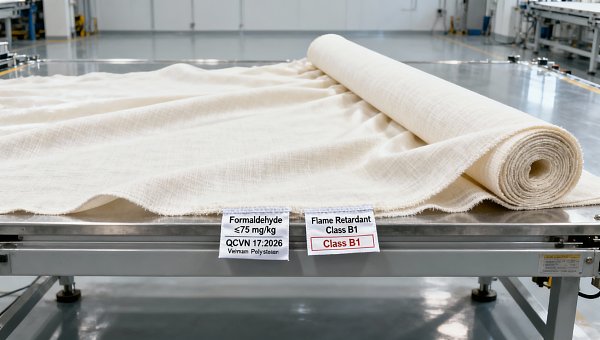
 Fabrics & YarnsVietnam Enforces QCVN 17:2026 for Wedding Photo BackdropsVietnam enforces QCVN 17:2026 for wedding photo backdrops—mandatory formaldehyde testing & B1 flame-retardant labeling. Ensure compliance now to avoid market access delays.Textile Industry AnalystMay 09, 2026
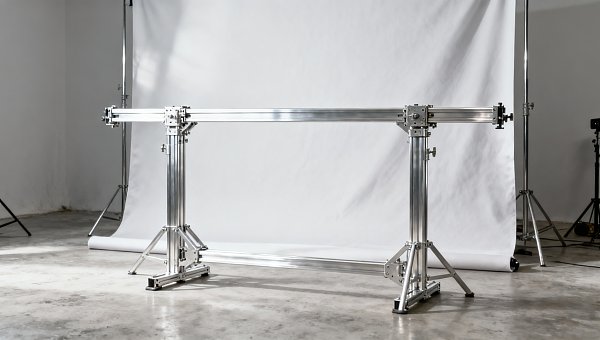
 Building HardwareIndia BIS Mandate: Aluminum Photo Backdrop Stands Must Pass Dual Testing by June 30, 2026Aluminum photo backdrop stands for wedding photography must pass BIS salt spray & load testing by June 30, 2026—secure certification now to avoid import bans in India.Tooling & Hardware LeadMay 09, 2026