Industry News
Curation by industry experts
Hot Articles
Popular Tags
Hot Melt Glue Gun Features Worth Paying For in Repetitive Work
For procurement and evaluation teams managing repetitive assembly, packaging, or repair tasks, choosing the right hot melt glue gun is more than a cost decision—it directly affects output consistency, operator comfort, and maintenance efficiency. This guide highlights the features worth paying for when reliability, safety, and long-shift performance matter in high-frequency work environments.
Why feature priorities change across repetitive work scenarios
A hot melt glue gun used for occasional office repairs is judged very differently from one used in daily carton sealing, display assembly, cable fixing, or light manufacturing rework. In repetitive environments, the buying question is not simply whether the tool can dispense adhesive. The real issue is whether it can maintain repeatable bead size, recover heat quickly between cycles, reduce operator strain, and survive long shifts with minimal downtime.
For business evaluators, that difference matters because the total cost of ownership often hides in workflow disruption. A lower-cost hot melt glue gun may appear acceptable in a pilot test, yet become expensive when glue output fluctuates, nozzles char, operators complain about hand fatigue, or maintenance teams repeatedly replace triggers and heaters. In repetitive work, feature quality directly connects to labor efficiency, defect rate, and safety exposure.
That is why procurement teams should assess the application first, then the tool. The same specification is not equally valuable in every scenario. Adjustable temperature, ergonomic grip, insulated nozzle design, stand stability, and fast warm-up are all useful, but not all deserve the same budget weight in every operation.
Typical business scenarios where a hot melt glue gun is used repeatedly
In broad commercial and industrial settings, repetitive use usually falls into a few practical categories. Each has a different performance profile and risk level, which means feature selection should be tied to the job pattern rather than to a generic product description.
1. Packaging and carton reinforcement
This includes secondary packaging, promotional bundling, sample kit assembly, and small-batch shipping preparation. Here, speed and consistent adhesive flow often matter more than extreme precision. Teams benefit from a hot melt glue gun that heats quickly, handles continuous trigger cycles, and uses common glue stick sizes that are easy to source globally.
2. Product assembly and component positioning
Light assembly tasks in displays, furniture accents, cable routing, hardware positioning, and non-structural fixture bonding require more controlled application. In these settings, precise nozzle shape, stable temperature, and reduced dripping become worth paying for because excess glue can affect appearance, fit, or downstream handling.
3. Rework, repair, and maintenance support
Maintenance crews often use a hot melt glue gun to secure loose trim, hold wires temporarily, stabilize packaging inserts, or support quick cosmetic repair. The priority here is readiness and safety. Fast warm-up, reliable stand design, and automatic shut-off may deliver more value than high throughput, especially in mixed-use environments where the tool is moved frequently.
4. Craft-like commercial production and custom finishing
Retail displays, decorative finishing, event installations, and customized presentation packaging often combine repetitive work with visible output. In these scenarios, evaluators should focus on glue string reduction, temperature control for different substrates, and a comfortable grip that supports long detail-oriented sessions.
Scenario comparison: which hot melt glue gun features deserve higher budget priority
The table below helps procurement and sourcing teams match feature value to actual work conditions rather than buying on headline wattage alone.
The core hot melt glue gun features that pay back in repetitive use
Stable temperature control
For repetitive work, stable heat is often the most overlooked performance factor. If the hot melt glue gun overheats, adhesive can char, string excessively, or become too thin. If heat recovery is weak, output becomes inconsistent during rapid trigger use. Variable or electronically regulated temperature is especially valuable when teams work across cardboard, textiles, plastics, foam, or decorative surfaces that react differently to heat.
Output consistency and feed mechanism quality
A hot melt glue gun for repetitive tasks should deliver predictable volume per trigger pull. Cheap feed systems may slip, jam, or require unnecessary hand force. That creates uneven bonding and hand fatigue. Evaluators should pay attention to trigger travel, feed smoothness, and whether the tool can maintain bead consistency during repeated cycles rather than just single-use tests.
Ergonomic design for long shifts
In high-frequency work, discomfort becomes a measurable productivity issue. A balanced hot melt glue gun with a comfortable grip, sensible trigger resistance, and reduced wrist strain can improve throughput over a full shift. This matters for packaging staff, assembly workers, and repair teams who may repeat the same motion hundreds of times per day.
Nozzle design and anti-drip behavior
Not every job needs fine-detail application, but many repetitive commercial tasks benefit from cleaner starts and stops. Anti-drip features reduce waste on worktables and minimize cleanup time. Interchangeable nozzle shapes can also expand the value of one hot melt glue gun across broader use cases, especially for mixed production environments.
Safety systems and idle protection
When tools remain powered during long sessions, built-in safety becomes more than a compliance topic. Insulated nozzles, heat-resistant housing, a secure stand, and automatic shut-off help reduce burn incidents and fire risk. For evaluation teams, these are practical risk-control features, particularly in shared workstations or multi-shift facilities.
Warm-up time and uptime reliability
A slow or inconsistent hot melt glue gun interrupts rhythm. In repetitive environments, even small delays compound into labor loss. Fast warm-up is particularly valuable in repair cells, short-batch packaging, and stations where operators switch between tasks. Reliability also includes cable quality, heater durability, and the availability of spare parts or service support.
How needs differ by business scale and operator profile
The right hot melt glue gun also depends on who uses it and how standardized the process is. A small exporter preparing custom product sets may value flexibility and moderate cost. A larger operation with repetitive packaging cells may gain more from standardized tools, interchangeable consumables, and easier maintenance planning.
Common misjudgments when evaluating a hot melt glue gun
One frequent mistake is choosing by wattage alone. Higher wattage may support faster recovery, but it does not automatically mean better control or better adhesive performance. Another common error is ignoring the adhesive supply side. A good hot melt glue gun loses practical value if compatible glue sticks are difficult to source consistently across regions.
Procurement teams also sometimes test tools in short demonstrations that fail to simulate real shift conditions. Trigger fatigue, nozzle dripping, glue charring, and cable stress usually appear after longer use. A meaningful evaluation should include repeated cycles, operator feedback, cleanup observations, and maintenance review.
Another overlooked point is workstation context. If operators work in compact benches, a poorly balanced hot melt glue gun or unstable stand creates safety and productivity issues. If output quality is customer-visible, excess glue strings can become a presentation problem, not just a housekeeping issue.
A practical evaluation checklist for repetitive-use procurement
Before approving a purchase, evaluation teams should confirm several scenario-based questions:
- How many application cycles per hour will the hot melt glue gun realistically handle?
- Does the task require speed, precision, appearance quality, or a mix of all three?
- Are operators likely to use the tool continuously or intermittently throughout the shift?
- Is adjustable temperature necessary for multiple substrates?
- How important are anti-drip performance and low stringing to the final product quality?
- Can replacement parts, nozzles, cords, and glue sticks be sourced reliably in target markets?
- Does the tool meet internal safety expectations for shared production areas?
FAQ for business evaluators
Is a variable-temperature hot melt glue gun always worth the extra cost?
Not always. It is most valuable when the operation uses different materials, has visible finish requirements, or needs tighter control over glue behavior. For simple repetitive carton work with one adhesive type, stable fixed-temperature performance may be enough.
What matters more in repetitive packaging: output speed or ergonomics?
Both matter, but the balance depends on shift length and cycle count. If staff use the hot melt glue gun intensively for hours, ergonomic quality often pays back through lower fatigue and steadier application, even if output speed looks similar on paper.
Should procurement standardize one hot melt glue gun model across all departments?
Only if application needs are genuinely close. Standardization can simplify training and spare parts, but forcing one model across packaging, assembly, and maintenance may reduce fit. A two-tier approach is often more effective: one model for throughput tasks and another for precision or service work.
Final decision guidance
The best hot melt glue gun for repetitive work is rarely the cheapest or the most powerful. It is the one that matches the job pattern, adhesive demand, operator workload, and risk profile of the actual business scenario. For procurement teams, the smartest approach is to compare use cases first, then rank features by operational impact.
If your organization handles recurring packaging, light assembly, repair support, or visible custom finishing, focus on the features that improve repeatability, safety, and shift-long usability. A structured trial under real working conditions will reveal whether a hot melt glue gun truly supports productivity—or simply meets a basic specification sheet. In repetitive environments, the features worth paying for are the ones that reduce inconsistency, downtime, and operator strain over time.
Recommended News
 Export UpdatesNingbo Port Launches 'Green Export Index' for Wedding Photography GoodsWedding photography goods exporters: Ningbo Port’s new Green Export Index reveals 98.2% customs pass rate for OEKO-TEX®/GOTS fabrics & IEC 62471 LED lights — boost your sustainability credibility now.May 09, 2026
 Carton & PlasticsECHA Adds D-Limonene to SVHC List: Impact on Bridal Photo Spray ExportsBridal photo spray exporters: ECHA’s D-Limonene SVHC listing (May 2026) triggers urgent SDS & label updates for EU-bound hair and fabric sprays.Packaging Supply ExpertMay 09, 2026
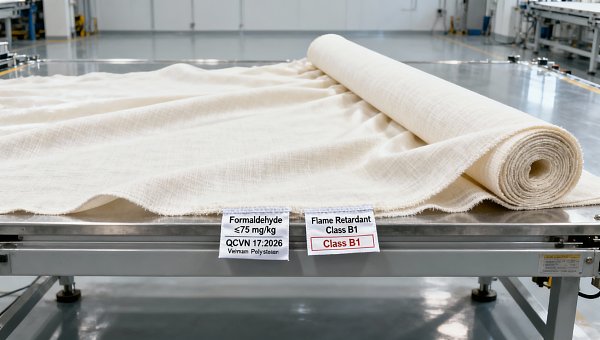
 Fabrics & YarnsVietnam Enforces QCVN 17:2026 for Wedding Photo BackdropsVietnam enforces QCVN 17:2026 for wedding photo backdrops—mandatory formaldehyde testing & B1 flame-retardant labeling. Ensure compliance now to avoid market access delays.Textile Industry AnalystMay 09, 2026
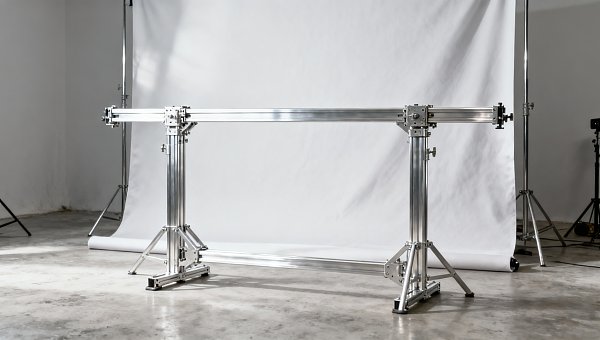
 Building HardwareIndia BIS Mandate: Aluminum Photo Backdrop Stands Must Pass Dual Testing by June 30, 2026Aluminum photo backdrop stands for wedding photography must pass BIS salt spray & load testing by June 30, 2026—secure certification now to avoid import bans in India.Tooling & Hardware LeadMay 09, 2026