Industry News
Curation by industry experts
Hot Articles
Popular Tags
Wholesale Cutting Wheels: How Storage and Handling Affect Breakage Rates
For quality control and safety teams, breakage in wholesale cutting wheels is rarely random—it often starts with poor storage, mishandling, or unnoticed environmental stress. Understanding how temperature, humidity, stacking, and transport conditions affect wheel integrity is essential for reducing risk, preventing downtime, and improving product consistency. This article examines the key handling factors that directly influence breakage rates and operational safety.
Why storage and handling have become a bigger quality signal
A notable shift is taking place in industrial consumables management: more buyers are realizing that cutting wheel failures are not only a product-selection issue but also a storage and handling issue. In the past, breakage was often blamed on manufacturing defects, operator misuse, or machine speed mismatch alone. Today, procurement teams, warehouse supervisors, and EHS managers increasingly treat post-production conditions as a measurable part of quality performance. That change matters because wholesale cutting wheels move through long and complex supply chains before they ever reach the grinder.
For businesses sourcing wholesale cutting wheels across regions, transit time is longer, warehouse turnover may be inconsistent, and product may sit in mixed storage environments alongside chemicals, moisture sources, or heat-generating equipment. At the same time, safety expectations are rising. End users want fewer incidents, more traceability, and stronger confidence that each wheel will perform as specified. This is pushing quality teams to look beyond incoming inspection and toward full lifecycle handling control.
The broader trend is clear: breakage rates are now being judged as an operational indicator, not just a technical anomaly. If a company stores wholesale cutting wheels poorly, the resulting losses extend beyond damaged inventory. There may be unplanned downtime, rejected batches, worker injury risk, insurance concerns, and disputes between buyer and supplier over root cause.
What is changing in the market around wholesale cutting wheels
Several market signals explain why this topic is receiving more attention. First, global sourcing has increased exposure to climate variation. A shipment of wholesale cutting wheels may leave a dry production facility, pass through humid ports, remain in a hot container, and then enter a warehouse with poor ventilation. Second, many facilities are trying to reduce stockholding costs, which can create crowded storage, unstable stacking, or less disciplined inventory rotation. Third, safety audits are becoming more process-oriented, meaning auditors now ask how abrasive products are stored, moved, and verified before use.
Another important change is the growing expectation of consistency. Buyers no longer evaluate wholesale cutting wheels only by price per unit or cutting speed. They are increasingly assessing breakage frequency, shelf-condition stability, packaging resilience, and reliability across batches. For QC personnel, this shifts part of the focus from product acceptance to condition preservation. A wheel that passed factory inspection can still become unsafe if handling controls fail later in the chain.
The main environmental factors driving breakage risk
The industry is moving toward a more practical understanding of wheel integrity: many failures develop gradually. They begin with micro-damage, internal stress, or binder degradation that may not be visible during routine checks. For wholesale cutting wheels, four environmental factors repeatedly influence breakage outcomes.
Temperature fluctuation
Extreme heat can affect bonding materials, packaging stability, and dimensional consistency. Repeated temperature cycling is especially problematic because it creates expansion and contraction stress over time. In export and distribution channels, this often occurs when wholesale cutting wheels move between outdoor loading zones, containers, and climate-controlled storage.
Humidity exposure
Moisture remains one of the most underestimated causes of performance decline. High humidity may weaken packaging, affect certain wheel compositions, and contribute to hidden degradation before the product reaches the user. Facilities in coastal or tropical regions should treat moisture exposure as a routine risk variable, not an occasional exception.
Improper stacking pressure
Storage pressure can create distortion, edge chipping, or micro-fractures, particularly when cartons are overloaded, stacked unevenly, or stored on unstable pallets. In wholesale cutting wheels distribution, outer packaging may look acceptable while lower layers carry excessive load. This makes stack discipline a key quality control point.
Transport shock and repeated handling
Drops, vibration, rough forklift movement, and repeated re-palletizing all increase latent breakage risk. The danger is not limited to obvious fracture. Small edge damage or internal stress can remain undetected until the wheel is mounted and operated at speed.
Trend table: from traditional assumptions to lifecycle control
Why these changes matter more for quality and safety teams
For quality control personnel, the main implication is that visual conformity at delivery is no longer enough. Wholesale cutting wheels can appear acceptable while already carrying stress introduced by climate exposure or poor handling. This means inspection programs need a stronger link to storage records, pallet condition, warehouse zoning, and stock age. If these records are missing, root-cause analysis becomes weak and repeated failures are more likely.
For safety managers, the shift is equally important. Breakage incidents involve human exposure, especially where wheels are installed quickly in high-throughput operations. If storage discipline is poor, the safety team may inherit risk that originated weeks earlier in transit or internal movement. As a result, many leading facilities are moving toward joint accountability between procurement, warehousing, QC, maintenance, and EHS.
This cross-functional approach is becoming a competitive advantage. Companies that manage wholesale cutting wheels with documented handling controls often experience fewer disputes, cleaner audit outcomes, and more predictable production performance.
Which operational stages deserve closer attention now
The most useful trend insight is that risk accumulates in stages. Breakage usually reflects a chain of small control failures rather than one dramatic event. Quality and safety teams should therefore review the entire product journey.
Receiving stage
Look for crushed cartons, moisture marks, pallet instability, and signs of impact. Record ambient conditions when sensitive shipments arrive. If wholesale cutting wheels come from long-distance supply routes, receiving checks should include packaging integrity and not just quantity verification.
Warehouse stage
This is where hidden damage often grows. Poor ventilation, floor moisture, direct sun exposure, and excessive stack height can all increase risk. Dedicated storage zones for wholesale cutting wheels are becoming more common because mixed industrial storage often creates avoidable exposure.
Internal transport stage
Rough forklift operation, manual tossing, or repeated relocation can transform minor defects into active breakage hazards. Facilities with high internal movement should review transfer methods, packaging support, and handoff accountability.
Pre-use stage
Before issue to operators, wheel condition should be rechecked against storage duration, package condition, and any unusual environmental events. This final gate is increasingly important when wholesale cutting wheels have experienced extended storage or seasonal temperature swings.
Impact table: who is most affected by poor handling conditions
What leading organizations are doing differently
A practical trend across better-managed industrial sites is the shift from passive storage to controlled storage. Instead of treating wholesale cutting wheels like ordinary shelf items, they are defining environmental ranges, setting maximum stack limits, improving pallet protection, and documenting shelf rotation. Some are also linking incident investigations to environmental records, making it easier to identify whether breakage was driven by product defect, handling damage, or misuse.
Another change is stronger supplier communication. Buyers increasingly ask suppliers of wholesale cutting wheels for packaging recommendations, storage instructions, transit precautions, and shelf-life guidance. This does not remove internal responsibility, but it improves alignment and reduces ambiguity when quality issues arise.
Training is also evolving. Instead of limiting instruction to safe wheel use, companies are extending training to receiving teams, forklift drivers, and storekeepers. That reflects a more mature view: safety begins long before installation.
How to judge whether your current controls are still sufficient
If breakage in wholesale cutting wheels appears sporadic, teams should avoid assuming the issue is random. Start by asking whether failures cluster around seasonal humidity changes, older stock, specific warehouse zones, or certain transport routes. Review whether carton damage is routinely documented, whether stack limits are enforced, and whether returned or partially used inventory is being reintroduced without condition review.
It is also useful to compare the designed storage method with actual practice. Many facilities have acceptable procedures on paper but weak execution on the floor. The gap often shows up in overloaded pallets, direct placement on damp surfaces, mixed storage near corrosive materials, or frequent manual handling without protective support.
For organizations managing multi-site operations, variation between locations is an especially valuable signal. If one site reports higher breakage for the same wholesale cutting wheels, local storage conditions or handling routines may be the missing factor.
Action priorities for the next review cycle
The most effective response is not complicated, but it does require discipline. First, map the full journey of wholesale cutting wheels from receipt to point of use. Second, define clear environmental and stacking controls. Third, connect QC findings with warehouse and transport data. Fourth, retrain all staff who physically move or store the product. Finally, review supplier packaging and guidance as part of sourcing decisions, not only after failures occur.
In a market where reliability, audit readiness, and worker protection are under increasing scrutiny, storage and handling are no longer background issues. They are active indicators of operational maturity. For companies buying and managing wholesale cutting wheels, the next improvement opportunity may not be a new specification at all—it may be better control of what happens after the wheels arrive.
Final perspective for quality and safety decision-makers
The key industry signal is that breakage prevention is shifting from reaction to prediction. Quality control and safety teams that monitor environmental exposure, handling practices, and storage discipline are better positioned to reduce losses and prevent incidents. If your organization wants to understand how these trends affect its own use of wholesale cutting wheels, focus on a few questions: Where does hidden damage most likely occur? Which environmental conditions are not being recorded? Are storage rules actually followed at floor level? And does procurement evaluate packaging and handling resilience alongside price and performance?
Those answers will provide a more reliable picture of future breakage risk than product specification alone. In today’s sourcing environment, the integrity of wholesale cutting wheels depends not only on how they are made, but also on how they are moved, stored, and protected across the entire supply chain.
Recommended News
 Export UpdatesNingbo Port Launches 'Green Export Index' for Wedding Photography GoodsWedding photography goods exporters: Ningbo Port’s new Green Export Index reveals 98.2% customs pass rate for OEKO-TEX®/GOTS fabrics & IEC 62471 LED lights — boost your sustainability credibility now.May 09, 2026
 Carton & PlasticsECHA Adds D-Limonene to SVHC List: Impact on Bridal Photo Spray ExportsBridal photo spray exporters: ECHA’s D-Limonene SVHC listing (May 2026) triggers urgent SDS & label updates for EU-bound hair and fabric sprays.Packaging Supply ExpertMay 09, 2026
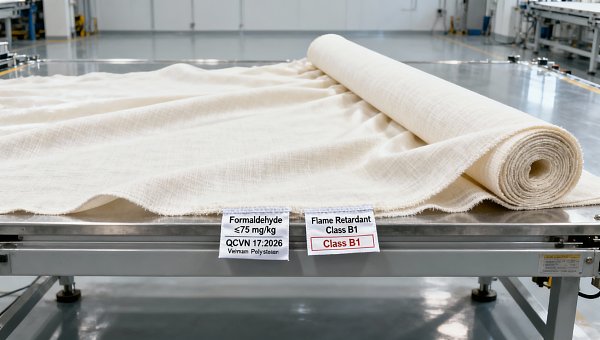
 Fabrics & YarnsVietnam Enforces QCVN 17:2026 for Wedding Photo BackdropsVietnam enforces QCVN 17:2026 for wedding photo backdrops—mandatory formaldehyde testing & B1 flame-retardant labeling. Ensure compliance now to avoid market access delays.Textile Industry AnalystMay 09, 2026
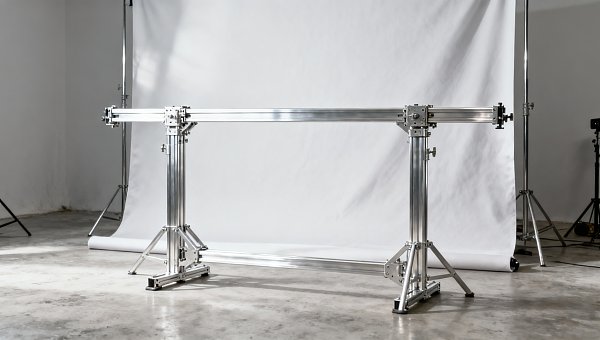
 Building HardwareIndia BIS Mandate: Aluminum Photo Backdrop Stands Must Pass Dual Testing by June 30, 2026Aluminum photo backdrop stands for wedding photography must pass BIS salt spray & load testing by June 30, 2026—secure certification now to avoid import bans in India.Tooling & Hardware LeadMay 09, 2026