Industry News
Curation by industry experts
Hot Articles
Popular Tags
Wholesale Step Drill Bits: How to Spot Quality Before You Buy in Bulk
Buying wholesale step drill bits in bulk can quickly turn profitable—or costly—depending on the quality behind each order. For distributors, agents, and resellers, knowing how to evaluate material, coating, cutting precision, and supplier consistency before purchase is essential. This guide shows you how to identify reliable products, reduce return risks, and make smarter sourcing decisions with confidence.
In the hardware and fasteners supply chain, step drill bits are small-ticket items with outsized impact. A weak batch can trigger returns, damage end-user trust, and slow reorder cycles within 30 to 90 days. A reliable batch, by contrast, supports repeat sales across electrical work, sheet metal fabrication, HVAC installation, automotive maintenance, and general industrial drilling.
For B2B buyers handling wholesale step drill bits, the goal is not simply to secure a low unit cost. The real objective is to balance price, cutting life, consistency, packaging readiness, and supplier control. That means checking more than catalog claims. You need a sourcing framework that can be applied before the first container, first trial order, or first distributor launch.
Why Quality Control Matters in Wholesale Step Drill Bits
When buying in volume, even a small defect rate can become expensive. If 3% to 5% of a 5,000-piece order underperforms, the hidden cost appears in replacements, customer complaints, and margin erosion. For distributors, the issue is not only failure in the field, but inconsistent performance between cartons, production lots, or shipment dates.
Most end users judge step drill bits on four practical points: how cleanly they start, how many holes they cut before dulling, whether the step sizes are accurate, and whether the bit resists heat buildup. Those same four points should shape your inbound quality review when sourcing wholesale step drill bits from any manufacturer or trading partner.
Typical Failure Modes That Lead to Returns
- Premature dulling after 10 to 20 holes in mild steel or sheet metal
- Poor concentricity causing wobble at higher RPM ranges
- Uneven step transitions that produce oversized or rough holes
- Weak shank hardness leading to slippage in chucks
- Inconsistent coating adhesion that flakes under heat
Where Distributors Lose Margin
Margin loss often comes from indirect costs rather than factory price. A supplier offering a 6% lower quote may still be the more expensive option if the batch requires extra QC labor, repacking, or post-sale support. In many regional markets, one defective wholesale step drill bits program can weaken an account for 2 or 3 reorder cycles.
Before comparing suppliers, it helps to align your quality checklist with actual application risk. The table below shows how common quality issues map to business impact in bulk procurement.
The key takeaway is simple: quality review for wholesale step drill bits should be tied to downstream selling performance. A distributor does not only buy steel and coating; they buy consistency across every carton, label, and reorder window.
How to Evaluate Material, Coating, and Cutting Geometry
The first screening stage should focus on the bit itself. Most wholesale step drill bits in the market are made from high-speed steel, while some higher-tier options use cobalt-bearing HSS for better heat resistance. For general distribution, the right choice depends on target end use, expected metal thickness, and price band.
1. Base Material: What to Ask First
Ask the supplier to specify the substrate clearly: standard HSS, HSS with added cobalt, or another cutting steel grade suitable for stepped drilling. If the answer remains vague, that is an early warning sign. For sheet metal work and maintenance channels, many buyers look for stable hardness and heat tolerance rather than premium claims without process evidence.
For practical sourcing, request 2 or 3 sample lots from different production dates instead of one handpicked set. This helps verify whether the wholesale step drill bits program is stable over time. A good sample should drill cleanly through typical thin steel, aluminum, and plastic without severe burr formation after repeated use.
2. Coating: Performance Benefit or Pure Cosmetics?
Common finishes include bright, black oxide, titanium-colored coatings, and other wear-resistant surface treatments. Not every gold-colored bit delivers premium performance. The practical question is whether the coating improves lubricity, heat control, and wear resistance under real cutting conditions, or simply improves shelf appeal.
During sample review, compare coated and uncoated versions under the same drilling workload, such as 20 to 30 holes in comparable material thickness. If there is no visible gain in edge retention, reduced friction, or cleaner chip evacuation, the coating premium may not support your target resale margin.
3. Cutting Geometry and Step Design
The flute shape, step spacing, point geometry, and edge grind determine how smoothly the bit enters material and transitions from one size to the next. On lower-grade wholesale step drill bits, you may see uneven steps, poor deburring performance, or a tendency to grab thin sheet. These defects are easier to detect in test drilling than in photos.
A Practical Inspection Checklist
- Check step markings for legibility and correct size sequence
- Inspect edge uniformity under magnification or strong light
- Confirm the shank is straight and securely finished
- Test hole smoothness on at least 3 common materials
- Observe chip removal and heat buildup after repeated drilling
The table below can be used as a simple incoming sample scorecard before committing to wholesale step drill bits in bulk.
A disciplined product inspection process reduces the chance of buying on appearance alone. For many resellers, that single step can lower customer complaints more effectively than negotiating another 1% off the unit price.
Supplier Evaluation: What Matters Beyond the Product Sample
A strong sample is necessary, but it is not enough. In wholesale step drill bits procurement, supplier reliability often determines whether the third, fourth, and fifth orders remain profitable. Buyers should evaluate production discipline, document transparency, packaging flexibility, and response time across the full order cycle.
Factory Consistency and Process Control
Ask how the supplier controls incoming steel, heat treatment, grinding, surface finishing, and final inspection. You do not need proprietary secrets; you need process visibility. At minimum, the supplier should explain 4 to 6 control points and identify how nonconforming pieces are separated before packing.
It is also useful to verify whether they can maintain the same specification across 2,000 pieces and 20,000 pieces. Some suppliers perform well on small sample orders but struggle when production ramps up. For distributors scaling private label or regional trade programs, that gap can become costly within one quarter.
Packaging, Labeling, and Market Readiness
For resale channels, product quality must be matched by commercial packaging. Confirm whether the supplier supports blister packs, plastic tubes, metal index boxes, barcode labels, multilingual inserts, and carton markings. In many markets, poor packaging increases shelf damage and slows channel onboarding even when the wholesale step drill bits themselves are acceptable.
Questions Every Distributor Should Ask
- What is the standard MOQ per size, set, or private label design?
- What is the normal lead time: 15 days, 30 days, or longer in peak season?
- Can pre-shipment inspection reports be provided for each lot?
- How are batch codes managed for traceability and complaint handling?
- What percentage of the order can be packed in mixed assortments?
The table below highlights practical supplier selection factors that matter when scaling wholesale step drill bits programs through distributor and agent networks.
A supplier that communicates clearly, documents production well, and supports practical packaging options is often more valuable than one that offers the absolute lowest price. In bulk purchasing, operational reliability is part of product quality.
A Smart Bulk Buying Workflow for Distributors and Resellers
The most effective sourcing process for wholesale step drill bits is staged rather than rushed. A 5-step workflow helps protect both cash flow and reputation, especially when entering a new supplier relationship or private label arrangement.
Step 1: Define Your Sales Segment
Separate your target market into at least 3 tiers: economy, standard trade, and professional use. Each tier needs a different balance of price and performance. Selling into retail hardware stores is not the same as supplying fabrication shops or maintenance contractors using the bits every day.
Step 2: Approve Multi-Lot Samples
Do not rely on a single polished sample. Ask for multiple sample sets across different dates or batches. Test them on real materials and record drilling count, edge wear, burr levels, and user feedback. Even a simple 15-hole comparison across 3 materials can reveal major differences.
Step 3: Start with a Controlled Trial Order
For a new supplier, many buyers begin with a moderate run rather than a full annual forecast. A controlled first order gives you a chance to verify consistency, packaging execution, and lead time performance before larger commitments. This is especially important for wholesale step drill bits programs intended for repeated restocking.
Step 4: Track Returns and Reorder Signals
Monitor complaint frequency, breakage reports, and reorder intervals over the first 60 to 120 days. If the bits are selling through but generating high complaints, the issue may be hidden in edge retention or packaging mismatch rather than demand itself.
Step 5: Standardize the Winning Specification
Once a reliable version is confirmed, lock key details in writing: material type, step range, coating requirement, packing format, carton quantity, and acceptable quality limits. This reduces the risk of silent specification drift in later orders.
Common Buying Mistakes to Avoid
- Choosing only by unit price without testing cutting life
- Approving samples without checking future lot consistency
- Ignoring packaging durability for e-commerce or export handling
- Skipping written specs for size range, finish, and pack count
- Underestimating the cost of a 2% to 4% return rate
For distributors, wholesale step drill bits can be a dependable category when sourcing is handled with discipline. Product checks, supplier screening, and trial-order controls work best together, not in isolation. When you verify material, coating, geometry, batch consistency, and packaging readiness before scaling up, you reduce claim risk and protect long-term resale value.
Global Supply Review supports procurement teams, sourcing managers, and channel partners with practical market intelligence across hardware and fasteners procurement. If you are evaluating wholesale step drill bits for distribution, private labeling, or regional supply expansion, now is the right time to compare specifications, test supplier consistency, and tighten your buying criteria. Contact us to discuss your sourcing goals, request a tailored review framework, or explore more solutions for smarter bulk purchasing.
Recommended News
 Export UpdatesNingbo Port Launches 'Green Export Index' for Wedding Photography GoodsWedding photography goods exporters: Ningbo Port’s new Green Export Index reveals 98.2% customs pass rate for OEKO-TEX®/GOTS fabrics & IEC 62471 LED lights — boost your sustainability credibility now.May 09, 2026
 Carton & PlasticsECHA Adds D-Limonene to SVHC List: Impact on Bridal Photo Spray ExportsBridal photo spray exporters: ECHA’s D-Limonene SVHC listing (May 2026) triggers urgent SDS & label updates for EU-bound hair and fabric sprays.Packaging Supply ExpertMay 09, 2026
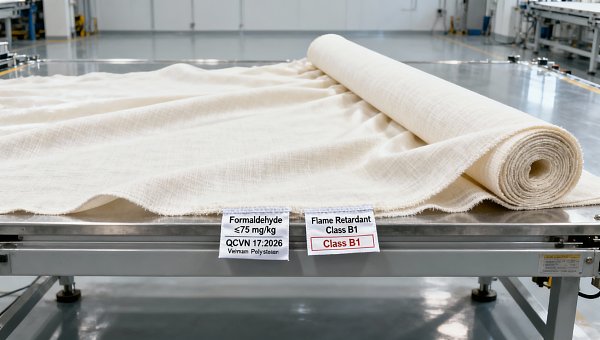
 Fabrics & YarnsVietnam Enforces QCVN 17:2026 for Wedding Photo BackdropsVietnam enforces QCVN 17:2026 for wedding photo backdrops—mandatory formaldehyde testing & B1 flame-retardant labeling. Ensure compliance now to avoid market access delays.Textile Industry AnalystMay 09, 2026
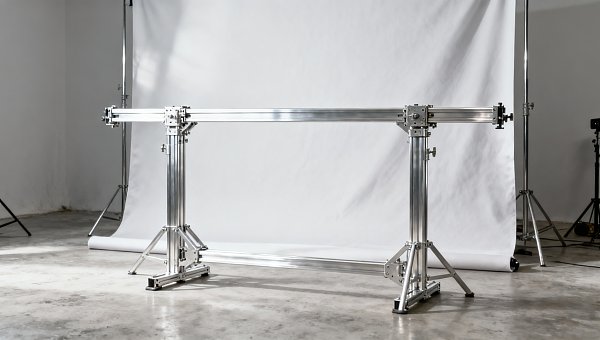
 Building HardwareIndia BIS Mandate: Aluminum Photo Backdrop Stands Must Pass Dual Testing by June 30, 2026Aluminum photo backdrop stands for wedding photography must pass BIS salt spray & load testing by June 30, 2026—secure certification now to avoid import bans in India.Tooling & Hardware LeadMay 09, 2026