Industry News
Curation by industry experts
Hot Articles
Popular Tags
Transparent LED Video Wall: When It Beats Traditional Screens
For enterprise decision-makers evaluating modern display investments, a transparent LED video wall offers more than visual novelty—it can outperform traditional screens in retail, corporate, and public-facing environments. By combining high-impact digital communication with visibility, spatial openness, and brand-enhancing design, this technology is reshaping how businesses balance audience engagement, architecture, and commercial value.
For procurement leaders, facility planners, and commercial display buyers, the question is no longer whether transparent display technology is impressive. The real question is when it delivers stronger business value than LCD walls, projection systems, or conventional LED screens. In sectors where foot traffic, premium branding, daylight visibility, and spatial design all matter at the same time, a transparent LED video wall can become a strategic asset rather than a decorative feature.
This matters across retail storefronts, airports, showrooms, headquarters lobbies, museums, auto dealerships, and mixed-use commercial buildings. In these settings, buyers are often balancing 4 priorities at once: visual performance, architectural integration, operating efficiency, and total cost over a 3- to 5-year horizon. Understanding where transparent LED fits—and where it does not—is essential for better capital allocation.
Why a Transparent LED Video Wall Changes the Buying Equation
A transparent LED video wall is a modular digital display system built with open-space LED structures that allow light and sightlines to pass through the screen. Transparency levels commonly range from 40% to 80%, depending on pixel pitch, cabinet structure, and brightness requirements. This single feature changes how a screen interacts with architecture, natural light, and customer movement.
Traditional screens usually block windows, reduce openness, or require dedicated walls. By contrast, a transparent LED video wall can be installed behind glass, suspended in atriums, or integrated into facade-facing commercial spaces without fully sacrificing visibility. For businesses operating in premium real estate, that difference can directly affect merchandising flexibility, perceived space value, and customer dwell time.
Where it creates measurable business advantages
- Retail environments that depend on both product visibility and dynamic promotions
- Corporate lobbies that need digital branding without closing off architectural openness
- Public-facing buildings where wayfinding, sponsorship, and visual appeal must coexist
- Showrooms that need immersive media while keeping sightlines into featured products
In these use cases, the value is not just display output. It is the combination of content delivery and preserved transparency. A storefront can remain visually connected to the street. A lobby can feel larger rather than enclosed. A product display can remain visible even when video content is active. This dual function often makes the transparent LED video wall more commercially efficient than a solid display.
How it compares with traditional screen categories
For decision-makers, comparison should be made across at least 6 factors: visibility, installation footprint, brightness, maintenance access, content purpose, and architectural impact. The table below outlines where each display type generally performs best in common commercial scenarios.
The key takeaway is clear: a transparent LED video wall is not a universal replacement for every screen. It wins when the display must communicate without visually sealing off the surrounding space. That distinction is especially important in commercial buildings where each square meter has both functional and branding value.
When It Beats Traditional Screens in Real Business Scenarios
The strongest investment cases appear when architecture and media must work together. In many projects, the screen is competing not just with another display option but with the building’s own design intent. A transparent LED video wall can outperform traditional screens when its spatial and commercial advantages reduce trade-offs elsewhere in the project.
Retail storefronts and flagship windows
In high-street retail and shopping malls, window displays often need to deliver two messages at once: attract passersby from 10 to 30 meters away and still reveal merchandise inside the store. A conventional LED wall may offer strong impact, but it can block product visibility entirely. A transparent LED video wall supports motion graphics, campaigns, and seasonal storytelling while keeping the interior partially visible.
This is especially effective for fashion, cosmetics, electronics, and automotive brands where visual merchandising is part of conversion. If buyers must choose between digital media and product sightlines, transparency solves a problem that standard displays create. In premium retail, that can influence both brand perception and leasing value.
Corporate headquarters and experience centers
In office lobbies, briefing centers, and innovation hubs, the display often represents the brand before any meeting begins. Here, a transparent LED video wall can project product visuals, KPIs, welcome content, or investor messaging without making the space feel closed. For headquarters that prioritize openness, glass, and natural light, this is a strong alternative to large opaque screens.
Decision-makers should also consider content cadence. If messaging changes weekly, daily, or by audience segment, digital flexibility becomes more valuable than static architectural graphics. A transparent system combines that flexibility with a premium physical impression, which is difficult to replicate with posters or fixed signage.
Transport hubs, public venues, and mixed-use developments
Airports, rail stations, exhibition centers, and mixed-use complexes often need wayfinding, advertising, and placemaking in the same zone. These locations typically have high ambient light and long viewing distances, sometimes 20 meters or more. In such cases, brightness levels in the 3,000 to 5,500 nits range are often more relevant than ultra-fine resolution.
A transparent LED video wall can deliver commercial media without interrupting sightlines through atriums, entrance glazing, or public circulation corridors. That makes it particularly useful where operators want to monetize visual space but cannot compromise openness or security visibility.
Decision triggers that favor transparency
- The screen must sit on or near glass.
- The project depends on daylight or open sightlines.
- Brand image requires a premium, innovative visual identity.
- Products, interiors, or traffic flow must remain visible behind the display.
- Content is meant for medium- to long-distance viewing rather than close-up text-heavy review.
If 3 or more of these conditions apply, a transparent LED video wall usually deserves serious consideration in the display shortlist. If none apply, traditional LED or LCD may provide better cost-to-performance value.
Technical and Procurement Factors That Matter Most
The success of a transparent LED video wall depends less on headline visuals and more on fit-for-purpose specification. Procurement teams should evaluate at least 5 technical dimensions before comparing bids: pixel pitch, transparency rate, brightness, installation method, and service access. These factors affect readability, structural compatibility, and long-term maintenance cost.
Core specification ranges to review
For indoor commercial projects, common pixel pitch ranges are roughly P3.9 to P10.4, while transparency may range from 50% to 75%. Closer viewing distances below 5 meters usually require tighter pitch. For facade-facing or window-facing applications, brightness expectations often begin around 2,500 nits and may move above 4,000 nits depending on daylight exposure.
The table below provides a practical screening framework for B2B buyers evaluating different project requirements.
A common mistake is prioritizing transparency percentage alone. Higher transparency can look attractive on paper, but if image density becomes too low for the intended content, message clarity suffers. Buyers should match specification to use case, not to abstract product claims.
Content strategy affects hardware choice
If the screen will show large-format branding, ambient motion graphics, or simplified promotional visuals, a wider pixel pitch may be acceptable. If it must display detailed text, price lists, or data-heavy dashboards, the transparent LED video wall may be the wrong format unless viewers stay at longer distances. Content type, screen size, and viewer distance should be tested together in the planning stage.
Four questions every buyer should ask suppliers
- What is the recommended minimum viewing distance for this pitch?
- How does brightness perform in direct sun, indirect daylight, and nighttime mode?
- What is the module replacement process and expected service interval?
- What structural load, power supply planning, and control system integration are required?
These questions help move procurement discussions away from visual demos alone and toward operational reality. For enterprise installations, integration quality often matters as much as display quality.
Implementation Risks, Cost Drivers, and How to Reduce Them
Even when a transparent LED video wall is the right choice, project value can be undermined by weak planning. The main risks usually emerge in 3 areas: structural coordination, content mismatch, and after-sales support. These issues are manageable, but they should be addressed before purchase order finalization.
Typical cost drivers beyond screen hardware
Buyers often focus on cabinet cost per square meter, but total investment also includes mounting structure, media control systems, power distribution, commissioning, access planning, and content adaptation. Depending on site complexity, non-screen elements may account for 20% to 40% of total project cost. That is why early coordination between procurement, engineering, and design teams is so important.
Lead time is another practical issue. Standard project cycles may run 4 to 8 weeks for production and another 1 to 3 weeks for shipping, installation, and testing, although exact timing depends on project scale and region. For multinational buyers, logistics visibility and technical documentation are part of procurement quality, not administrative detail.
Common implementation mistakes
- Choosing a pitch based on price without checking actual viewing distance
- Ignoring daytime brightness requirements for glass-front installations
- Underestimating reflection, ambient light, or background clutter behind the screen
- Approving content designed for LCD rather than for transparent LED visibility characteristics
- Failing to define spare parts, warranty process, and maintenance response time
The fourth point is especially important. A transparent LED video wall performs best with bold contrast, simplified motion, and visual compositions that respect open-grid structure. Content built for dense displays may look weak or fragmented if simply reused without adjustment.
A practical 5-step sourcing approach
1. Define the business objective
Clarify whether the display is meant to drive footfall, improve brand image, support information delivery, or generate advertising value. One project can serve multiple goals, but there should be a primary KPI.
2. Audit the installation environment
Measure daylight exposure, sightline angles, mounting constraints, and service access. A 2-hour site assessment can prevent months of operational compromise.
3. Match specification to use case
Select transparency, pitch, and brightness according to actual viewing conditions. Do not assume the most transparent or brightest option is automatically the best.
4. Request content simulation and maintenance details
Ask suppliers for realistic renderings or demos based on your own content categories and installation geometry. Also confirm spare parts strategy, fault response expectations, and training scope.
5. Evaluate long-term supplier reliability
For global sourcing teams, reliable documentation, communication speed, and technical support matter as much as unit cost. A lower purchase price can quickly lose value if replacement parts, integration guidance, or service coordination become inconsistent.
How Enterprise Buyers Should Decide
A transparent LED video wall beats traditional screens when the project requires more than image display alone. It is the right investment when digital communication must coexist with transparency, architecture, product visibility, and premium spatial design. In those cases, the technology solves a compound commercial problem that opaque screens cannot solve efficiently.
It is less suitable when the content is text-heavy, viewers stand very close, budgets are tightly constrained, or architectural openness is not a priority. In those environments, LCD or standard LED may still provide stronger value. Smart procurement depends on use-case fit, not trend adoption.
For enterprise decision-makers navigating global sourcing, display selection should be tied to performance, lifecycle practicality, and integration quality. A well-specified transparent LED video wall can strengthen brand presence, improve spatial experience, and support long-term commercial impact across retail, corporate, and public-facing projects. To evaluate options with greater confidence, consult a trusted sourcing and market intelligence partner, compare specification logic rather than headline claims, and get a tailored solution built around your actual environment. Contact us today to discuss project requirements, request product details, or explore more display sourcing solutions.
Recommended News
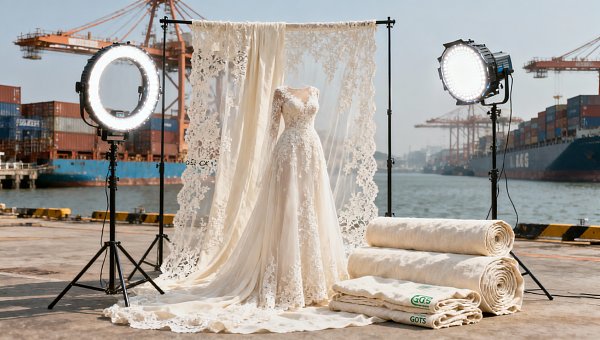
 Export UpdatesNingbo Port Launches 'Green Export Index' for Wedding Photography GoodsWedding photography goods exporters: Ningbo Port’s new Green Export Index reveals 98.2% customs pass rate for OEKO-TEX®/GOTS fabrics & IEC 62471 LED lights — boost your sustainability credibility now.May 09, 2026
 Carton & PlasticsECHA Adds D-Limonene to SVHC List: Impact on Bridal Photo Spray ExportsBridal photo spray exporters: ECHA’s D-Limonene SVHC listing (May 2026) triggers urgent SDS & label updates for EU-bound hair and fabric sprays.Packaging Supply ExpertMay 09, 2026
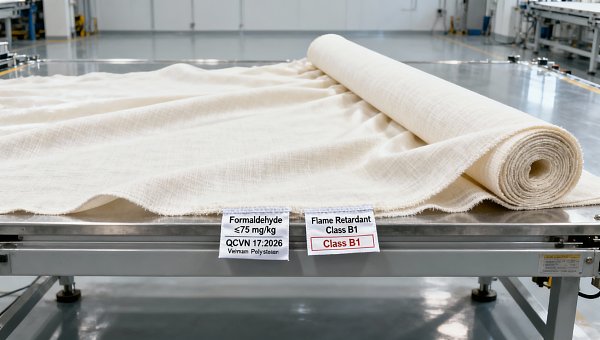
 Fabrics & YarnsVietnam Enforces QCVN 17:2026 for Wedding Photo BackdropsVietnam enforces QCVN 17:2026 for wedding photo backdrops—mandatory formaldehyde testing & B1 flame-retardant labeling. Ensure compliance now to avoid market access delays.Textile Industry AnalystMay 09, 2026
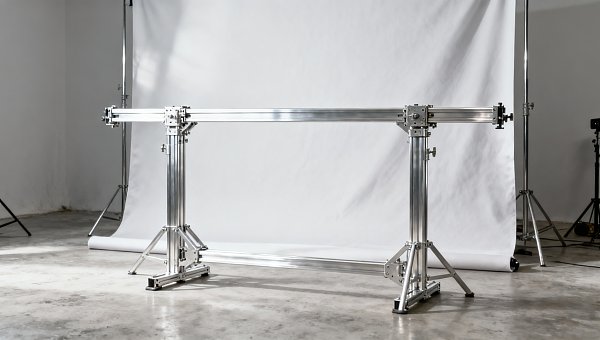
 Building HardwareIndia BIS Mandate: Aluminum Photo Backdrop Stands Must Pass Dual Testing by June 30, 2026Aluminum photo backdrop stands for wedding photography must pass BIS salt spray & load testing by June 30, 2026—secure certification now to avoid import bans in India.Tooling & Hardware LeadMay 09, 2026