Industry News
Curation by industry experts
Hot Articles
Popular Tags
How to Choose Custom LED Neon Signs for Retail Branding
For retail brands competing in crowded markets, custom LED neon signs do far more than add color to a wall or storefront. They influence how a location is recognized from a distance, how brand personality is remembered, and how consistently visual identity is presented across stores, pop-up spaces, and shop-in-shop environments. The best buying decision is rarely about appearance alone. It requires a practical review of installation context, brightness, materials, power efficiency, maintenance needs, and supplier dependability so the signage supports both branding impact and long-term commercial performance.
Why retail context matters before selecting custom LED neon signs
Not every retail space asks the same thing from custom LED neon signs. A premium fashion boutique may need a subtle, warm-toned logo sign that reinforces exclusivity. A convenience store may prioritize visibility from the street under changing daylight conditions. A beauty brand inside a mall may care more about social-media-friendly backdrops that encourage photos and customer-generated content. The right sign starts with understanding where it will be used, what message it must communicate, and how often that environment changes.
This context-first approach is especially important in the broader commercial sourcing environment. In lighting and display procurement, branding assets now intersect with energy standards, installation safety, and supplier quality verification. A sign that looks attractive in a digital mockup can become a weak investment if it lacks UV resistance, has inconsistent color output, or arrives with incomplete mounting hardware. For this reason, evaluating custom LED neon signs by application scenario helps reduce costly redesigns and replacement cycles.
Storefront branding scenario: visibility, distance, and first impression
For exterior-facing retail signage, the primary question is simple: can the brand be identified quickly and clearly? In this scenario, custom LED neon signs should be assessed for viewing distance, letter thickness, brightness stability, and contrast against the building facade. Script fonts may look stylish but lose readability from across the street. Thicker strokes, simplified lettering, and controlled color contrast often perform better for main storefront branding.
Weather exposure also changes the decision. Outdoor retail applications need waterproof or weather-resistant construction, reliable transformers, sealed connections, and backing materials that resist warping. Acrylic backing type matters as well: clear backing may appear more premium, while cut-to-shape backing can create a cleaner silhouette. In high-traffic commercial streets, durability and stable illumination are just as important as aesthetics when selecting custom LED neon signs.
Window display scenario: attracting foot traffic without overwhelming products
When a sign is placed in a display window, its role shifts from identification to invitation. Here, custom LED neon signs should support merchandising rather than compete with it. A common mistake is choosing overly bright colors or large sign dimensions that dominate seasonal displays. In this setting, the sign should frame the product story, highlight a campaign phrase, or reinforce a lifestyle message while still allowing featured merchandise to remain the focal point.
Window applications also require attention to reflection, daytime visibility, and power cable placement. Signs facing direct sunlight may need stronger brightness output or strategic positioning to remain legible. If the display changes frequently, lightweight construction and easy-mount options become a major advantage. For brands that rotate visual campaigns, modular custom LED neon signs or phrase-based signage can provide more flexibility than one permanent logo unit.
In-store feature wall scenario: creating memorable branded experiences
Inside a retail environment, custom LED neon signs often serve a different branding function. They help define mood, support themed zones, and create photo-worthy touchpoints that extend brand presence beyond the transaction. This is especially useful for beauty, lifestyle, food, and home décor spaces where visual storytelling affects dwell time and customer perception.
The key judgment point in this scenario is alignment with interior materials, ambient lighting, and customer movement. A cool white sign can look clinical in a warm-toned space. A highly saturated pink can energize one concept but cheapen another. Dimmable custom LED neon signs are often the smarter choice for interior branding because they allow adjustment for daytime shopping, evening events, and seasonal remerchandising. If the sign is intended as a photo backdrop, spacing, mounting height, and camera framing should be reviewed before final production.
Temporary retail and pop-up scenario: flexibility and transport readiness
Pop-up retail, exhibitions, and promotional activations call for a more mobile signage strategy. In these scenarios, custom LED neon signs should be chosen for fast installation, low transport risk, and repeat usability across venues. Lightweight acrylic backing, detachable power systems, and protective packaging become decision-critical features. A beautiful sign that is difficult to ship safely can quickly lose value in an activation program.
Another factor is setup variation. Pop-up environments often differ in wall type, power access, and viewing angles. This makes mounting options, cable length, and voltage compatibility more important than in permanent stores. For event-driven branding, selecting custom LED neon signs that can adapt to multiple layouts often delivers stronger return than producing a highly specific fixed installation.
How retail signage needs differ across common applications
Practical selection criteria for custom LED neon signs in branding projects
1. Match sign type to brand expression
Logo signs, slogan signs, directional signs, and decorative statement signs all serve different branding functions. The most effective custom LED neon signs are selected with one clear purpose in mind rather than trying to solve every communication need at once.
2. Review materials and build quality carefully
LED strip grade, silicone tube finish, acrylic thickness, power adapter certification, and connection sealing all affect longevity. In commercial use, low-cost shortcuts often show up as flicker, color inconsistency, or edge damage. Requesting technical details is essential when sourcing custom LED neon signs.
3. Check brightness, color temperature, and dimming control
Retail spaces operate under varied lighting conditions. Warm white, cool white, and saturated brand colors each create different emotional effects. Dimmable custom LED neon signs improve adaptability and reduce the risk of a sign feeling too harsh in enclosed interiors.
4. Confirm installation and maintenance requirements
Wall type, ceiling clearance, cable routing, and access to power outlets should all be checked before order approval. The most attractive custom LED neon signs can still become problematic if they require complex mounting or difficult servicing after installation.
5. Evaluate supplier reliability beyond sample visuals
A dependable supplier should provide production drawings, color confirmation, lead times, packaging details, and after-sales support. For larger retail rollouts, consistency across multiple units is critical. With custom LED neon signs, sourcing reliability matters just as much as creative execution.
Common retail branding mistakes when buying custom LED neon signs
- Choosing fonts that look artistic but become unreadable from intended viewing distances.
- Ignoring ambient light, which can make custom LED neon signs appear too dim or excessively bright.
- Ordering interior-grade signs for semi-outdoor or window-facing exposure.
- Focusing only on unit price instead of lifespan, maintenance, and replacement frequency.
- Skipping mockups that show scale relative to walls, shelves, and storefront proportions.
A practical next step for stronger retail sign decisions
The strongest retail branding outcomes come from evaluating custom LED neon signs as part of a wider display and sourcing strategy, not as isolated décor. Start by defining the exact retail scenario, the message the sign must deliver, the expected operating environment, and the lifespan required for the investment. Then compare suppliers based on technical clarity, consistency, and proof of production quality.
For businesses reviewing lighting, displays, and branding assets across global supply networks, a disciplined sourcing lens can turn custom LED neon signs into a measurable branding tool rather than a short-term visual accessory. The better the alignment between scenario, specification, and supplier capability, the more effectively the sign will strengthen recognition, customer memory, and long-term brand value.
Recommended News
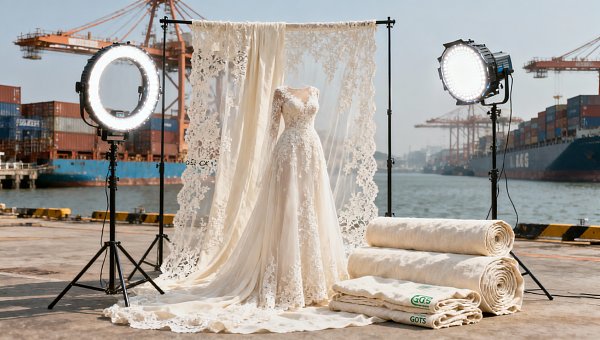
 Export UpdatesNingbo Port Launches 'Green Export Index' for Wedding Photography GoodsWedding photography goods exporters: Ningbo Port’s new Green Export Index reveals 98.2% customs pass rate for OEKO-TEX®/GOTS fabrics & IEC 62471 LED lights — boost your sustainability credibility now.May 09, 2026
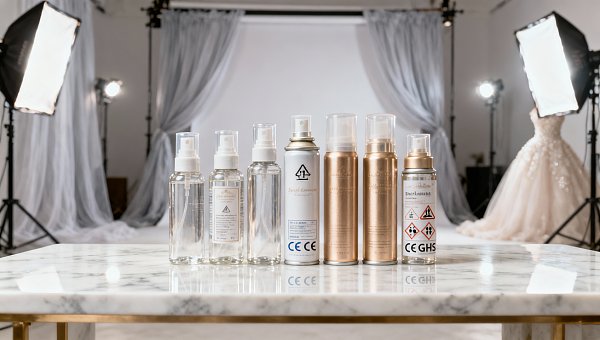
 Carton & PlasticsECHA Adds D-Limonene to SVHC List: Impact on Bridal Photo Spray ExportsBridal photo spray exporters: ECHA’s D-Limonene SVHC listing (May 2026) triggers urgent SDS & label updates for EU-bound hair and fabric sprays.Packaging Supply ExpertMay 09, 2026
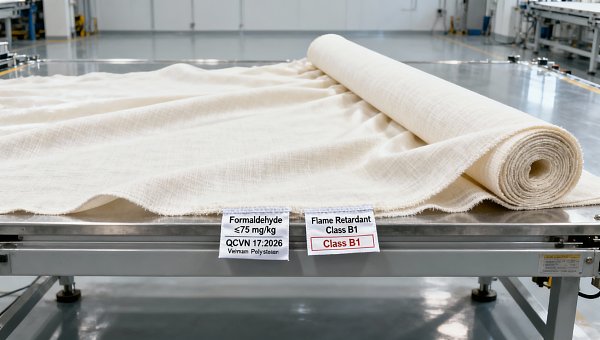
 Fabrics & YarnsVietnam Enforces QCVN 17:2026 for Wedding Photo BackdropsVietnam enforces QCVN 17:2026 for wedding photo backdrops—mandatory formaldehyde testing & B1 flame-retardant labeling. Ensure compliance now to avoid market access delays.Textile Industry AnalystMay 09, 2026
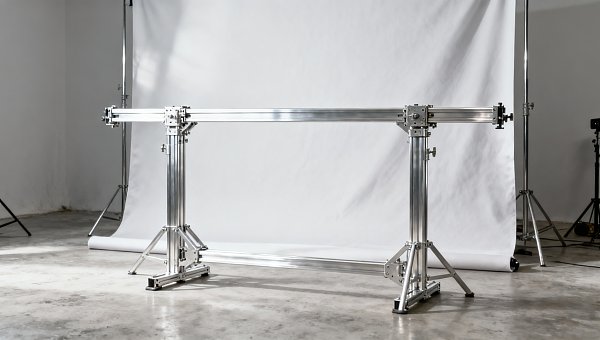
 Building HardwareIndia BIS Mandate: Aluminum Photo Backdrop Stands Must Pass Dual Testing by June 30, 2026Aluminum photo backdrop stands for wedding photography must pass BIS salt spray & load testing by June 30, 2026—secure certification now to avoid import bans in India.Tooling & Hardware LeadMay 09, 2026