Industry News
Curation by industry experts
Hot Articles
Popular Tags
How to Choose an Automatic Box Making Machine for Short-Run Packaging
For procurement professionals managing short-run packaging, choosing the right automatic box making machine can directly affect cost, lead time, and flexibility. With increasing demand for faster customization, lower waste, and reliable output, buyers need more than basic specifications. This guide outlines the key factors to compare, helping you identify equipment that supports efficient sourcing decisions and long-term operational value.
Why short-run packaging demand is changing faster than machine buying habits
The market for corrugated and custom packaging has shifted noticeably in recent years. Buyers are ordering more SKU variations, asking for smaller batches, and expecting shorter delivery windows. At the same time, brand owners want less inventory exposure, more sustainable material use, and packaging that can adapt to e-commerce, retail display, and industrial fulfillment requirements. These changes are reshaping how procurement teams evaluate an automatic box making machine.
In the past, equipment selection often favored high-speed mass production lines designed for stable, repeatable volumes. That model still works for long-run standard cartons, but it is less effective when jobs change frequently. For short-run packaging, the more relevant questions now include setup time, digital workflow compatibility, material range, labor dependence, and waste control. In other words, machine selection is moving from a simple capacity comparison toward a broader operational decision.
This shift matters especially for procurement managers because a mismatch between application needs and machine design can create hidden costs. An automatic box making machine that appears efficient on paper may become expensive if it requires frequent tooling changes, excessive operator skill, or narrow board compatibility. The current trend is clear: flexibility is becoming nearly as valuable as speed.
The strongest market signals influencing equipment decisions
Several market signals are pushing buyers to rethink packaging equipment strategy. None of them should be viewed in isolation, because together they define the purchasing environment for short-run box production.
For sourcing teams, the implication is practical: comparing only purchase price and rated speed is no longer enough. The right automatic box making machine should match the direction of customer demand, not just today’s workload snapshot.
What is driving the shift toward more flexible box production
One major driver is the growth of on-demand packaging. Brands and distributors increasingly want boxes produced closer to actual shipment needs rather than forecast-driven inventory plans. That reduces storage costs and obsolete stock, but it also requires equipment that can switch formats quickly without slowing output too severely.
A second driver is packaging personalization. Even in B2B channels, buyers are requesting more tailored dimensions, branded inserts, and product-specific protection. For short runs, traditional tooling-heavy systems may not deliver the best economics. Procurement teams therefore look for an automatic box making machine that balances automation with agility.
Third, sustainability targets are influencing machine requirements. When packaging teams are under pressure to reduce board waste and avoid oversized shipping cartons, machine precision becomes a sourcing issue. Equipment that supports right-size packaging and efficient material conversion can strengthen both cost performance and ESG positioning.
Finally, supply chain volatility has made resilience a priority. Companies want production assets that can absorb fluctuations in order mix, material availability, and regional demand changes. An automatic box making machine with broader substrate compatibility and dependable technical support can reduce operational risk over time.
How these changes affect procurement teams more directly
For procurement personnel, the machine decision is no longer only a factory engineering matter. It now sits at the intersection of sourcing strategy, fulfillment performance, cost control, and supplier risk management. The impact can be seen across several decision layers.
This is why many buyers now use a cross-functional evaluation model. Packaging engineers, plant managers, sourcing specialists, and finance teams should all contribute to the selection process. The best automatic box making machine for short runs is rarely the one with the most impressive brochure; it is the one that performs well under real business conditions.
The machine features that matter more in today’s short-run environment
Although trends shape the buying context, procurement decisions still come down to evaluating specific capabilities. The following areas deserve close attention when comparing an automatic box making machine for short-run packaging.
1. Changeover speed and setup simplicity
In short-run production, long setup times quickly erode productivity. Ask suppliers how format changes are handled, how many manual adjustments are required, and whether repeat jobs can be recalled through saved settings. A small improvement in changeover time may produce greater annual value than a higher top speed.
2. Board range and box style flexibility
A flexible automatic box making machine should process the corrugated grades, flute profiles, and size ranges relevant to your current and future packaging mix. Buyers should also assess whether the equipment supports common short-run applications such as custom shipping boxes, shelf-ready packaging, protective cartons, and variable dimensions for e-commerce fulfillment.
3. Waste control and material efficiency
Material waste is increasingly visible in procurement reviews because it affects both cost and sustainability targets. Compare cutting precision, scrap rates, and software optimization tools. A machine that improves board utilization can generate savings that are more durable than a negotiated discount on initial purchase price.
4. Automation level versus practical usability
More automation is not always better if it adds maintenance complexity or requires specialist operators. Procurement teams should test how intuitive the interface is, how faults are diagnosed, and how quickly production can restart after interruptions. In a labor-constrained environment, practical usability is a strategic feature.
5. Data connectivity and workflow integration
As packaging operations become more data-driven, an automatic box making machine should not operate as an isolated asset. Review whether job files can be imported easily, whether reporting supports production analysis, and whether the equipment can fit into broader digital planning systems. This becomes especially important for multi-site sourcing and centralized procurement oversight.
6. Service reliability and parts availability
A flexible machine loses value quickly if support is slow. Procurement teams should evaluate local service presence, remote troubleshooting capability, spare parts lead times, and training packages. For global buyers, regional support coverage can be as important as machine specification.
Where buyers often misjudge value in an automatic box making machine
One common mistake is overemphasizing maximum speed. In short-run environments, actual output depends on the full production cycle, including file preparation, setup, material loading, and job switching. A slightly slower machine with faster setup may outperform a faster machine over a mixed order schedule.
Another mistake is underestimating operator influence. If the equipment requires a highly experienced technician for consistent results, scaling production becomes harder. Procurement should test repeatability across different operator skill levels, not just under ideal demonstration conditions.
Buyers also sometimes overlook future packaging changes. If your customer base is moving toward more customization, new board materials, or digitally managed workflows, a machine that only fits today’s narrow requirements may become restrictive faster than expected. The smarter question is not just “Can it do the current job?” but “Will it still be competitive as our packaging profile evolves?”
A practical evaluation framework for short-run sourcing decisions
To improve decision quality, procurement teams can use a structured comparison model rather than relying on general supplier claims. The following framework aligns well with current market direction.
Using this framework helps procurement teams compare vendors on strategic fit, not just technical claims. It also creates clearer internal alignment when presenting investment recommendations.
What signals to monitor before making a final purchase decision
Before committing to an automatic box making machine, buyers should confirm several forward-looking signals. Review whether customer orders are becoming more variable in size and volume. Check whether your packaging team expects more demand for right-size boxes or custom protection formats. Assess whether labor availability is stable enough to support a more manual process, or whether deeper automation is becoming necessary.
It is also wise to evaluate how sustainability targets are likely to tighten. If your organization is under pressure to reduce material waste or improve packaging efficiency, machine precision and software optimization should move higher on the shortlist. Finally, consider whether supplier support capacity matches your growth geography. A strong machine with weak regional service can become a long-term bottleneck.
Conclusion: choose for direction, not just for specification
Selecting an automatic box making machine for short-run packaging is increasingly a trend-sensitive sourcing decision. The market is moving toward greater customization, faster replenishment, lower waste, and more data-connected operations. These changes affect not only converters and manufacturers, but also procurement teams responsible for capital efficiency and supply continuity.
The most effective approach is to evaluate machines against the direction of your packaging demand: job frequency, size variability, labor realities, material strategy, and digital workflow maturity. If a machine fits these changes, it is more likely to deliver durable value than one selected on headline speed or price alone.
If your business wants to judge how this trend will affect future sourcing, focus on a few practical questions: Are short runs becoming a larger share of output? Is setup time reducing overall efficiency? Are waste and labor costs rising faster than expected? And can your current packaging equipment support the level of flexibility your customers now expect? Those answers will point to the right automatic box making machine more reliably than specifications viewed in isolation.
Recommended News
 Home DecorLuxury Watch Packaging: Details That Shape the Unboxing ExperienceLuxury watch packaging defines first impressions, perceived value, and brand prestige. Discover the key details that elevate unboxing, protection, and sustainable appeal.Interior Sourcing LeadMay 05, 2026
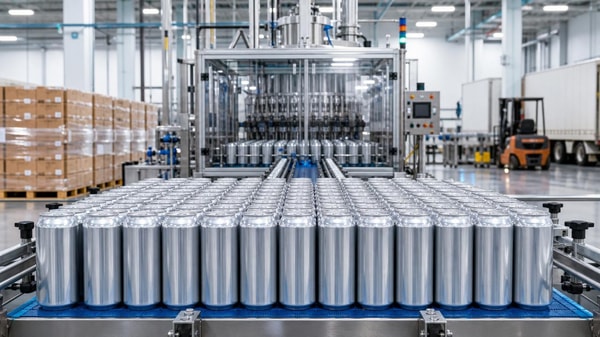
 Eco PackagingAluminum Beverage Cans: Cost Factors Behind Lightweight Can FormatsAluminum beverage cans cost more than unit price alone—explore how lightweight formats impact material spend, freight, efficiency, and ESG value to support smarter sourcing decisions.Packaging Supply ExpertMay 05, 2026
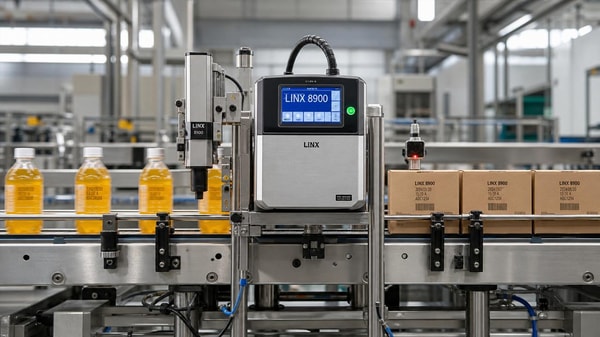
 Printing EquipmentContinuous Inkjet Printer Selection Tips for High-Speed Packaging LinesContinuous inkjet printer selection tips for high-speed packaging lines: compare uptime, ink adhesion, integration, maintenance, and total cost to choose the right coding solution.Packaging Supply ExpertMay 05, 2026
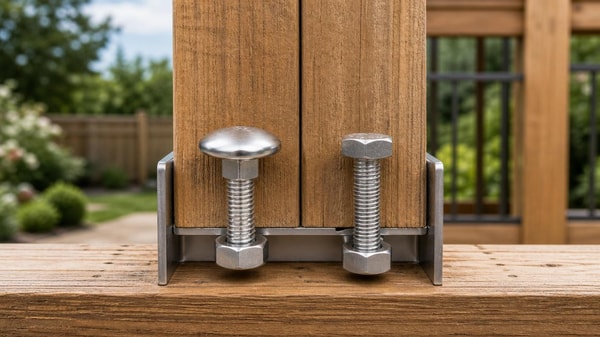
 Industrial FastenersStainless Steel Carriage Bolts: Where They Work Better Than Hex BoltsStainless steel carriage bolts work better than hex bolts in wood, outdoor, and public-facing projects. Learn when they improve safety, appearance, and corrosion resistance.Tooling & Hardware LeadMay 05, 2026