Industry News
Curation by industry experts
Hot Articles
Popular Tags
EU Imposes Provisional Anti-Dumping Duties on Chinese Polyamide Yarn
Introduction
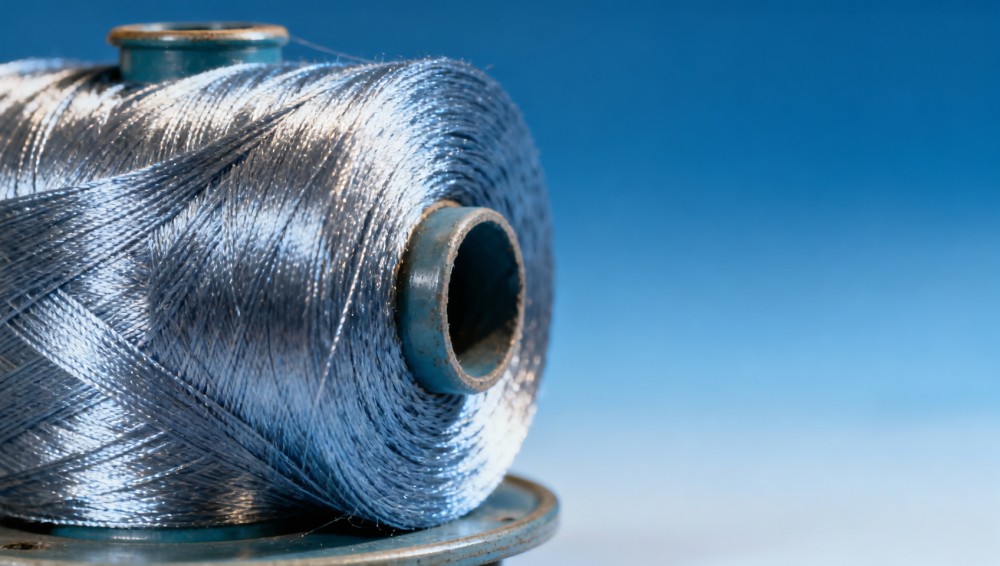
On March 28, 2026, the European Commission announced provisional anti-dumping duties ranging from 18.2% to 32.7% on polyamide yarn (PA6/PA66) imported from China. This decision directly impacts textile manufacturers, sportswear brands, and outdoor fabric importers in Europe, as well as Chinese exporters. The move raises concerns about supply chain stability and procurement costs, urging affected businesses to reassess pricing, compliance, and sourcing strategies.
Event Overview
The European Commission published its preliminary ruling on March 27, 2026, imposing temporary anti-dumping duties on Chinese-origin polyamide yarn effective from March 28. The duties vary by company, with rates between 18.2% and 32.7%. Exporters must immediately adjust pricing and documentation, while EU importers face higher costs and potential supply delays.
Impact on Sub-Sectors
1. Direct Exporters & Manufacturers
Chinese suppliers must recalculate export prices and ensure compliance with origin declarations. Some may explore alternative markets or absorb partial cost increases to retain EU clients.
2. European Textile Processors
Downstream weavers and fabric producers will see material costs rise, potentially squeezing profit margins or forcing price negotiations with end buyers.
3. Sportswear & Outdoor Brands
Companies relying on Chinese PA6/PA66 yarn for performance fabrics may face longer lead times if scrambling to qualify alternative suppliers.
Key Actions for Businesses
1. Review Contract Terms
Assess force majeure clauses and renegotiate pricing terms where possible, especially for pending orders.
2. Document Compliance
Update certificates of origin and customs declarations to avoid penalties during transitional enforcement.
3. Supply Chain Diversification
Evaluate non-Chinese yarn sources or blended material options, though qualification may take 3-6 months.
Industry Perspective
Analysis suggests this interim measure signals tighter EU scrutiny on synthetic fiber imports. While the final ruling (expected late 2026) could modify rates, businesses should treat this as a structural shift rather than temporary disruption. The textile industry’s just-in-time inventory models may prove particularly vulnerable.
Conclusion
This provisional duty reshapes EU-China textile trade dynamics, emphasizing the need for agile supply chains. Companies should monitor the investigation’s progress while implementing short-term cost mitigation strategies.
Sources
European Commission Anti-Dumping Notice (March 27, 2026). Final determination pending further review.
Recommended News
 Fabrics & YarnsThree Ministries Issue Action Plan for Textile Industry Upgrade via StandardsChina's Three Ministries launch Textile Industry Upgrade Action Plan via standards, targeting 300+ new standards by 2028. Learn how this impacts global trade compliance for manufacturers & exporters.Textile Industry AnalystApr 14, 2026
 Fabrics & YarnsJilin Chemical Fiber Launches 15,000-Ton High-End Artificial Silk Production, Boosting Green Supply ChainsJilin Chemical Fiber launches 15,000-ton high-end artificial silk production with 17 green certifications, offering sustainable solutions for global brands. Boost your eco-friendly supply chain now!Textile Industry AnalystApr 14, 2026
 Fabrics & YarnsEU Imposes Provisional Anti-Dumping Duties on Chinese Polyamide YarnEU imposes 18.2%-32.7% anti-dumping duties on Chinese polyamide yarn (PA6/PA66), impacting textile & sportswear supply chains. Learn key actions for exporters and importers to mitigate costs and compliance risks.Textile Industry AnalystApr 14, 2026
 Outdoor FurnitureChina Expands Smart Classification Pilot for Furniture Exports, Boosting EfficiencyChina expands smart classification pilot for furniture exports (HS codes 9401-9403) to Dongguan & Yiwu, boosting customs efficiency by 35% and reducing return rates. Essential for JIT supply chains.Interior Sourcing LeadApr 14, 2026